


French Culture & Traditions Guide
16 September 2026

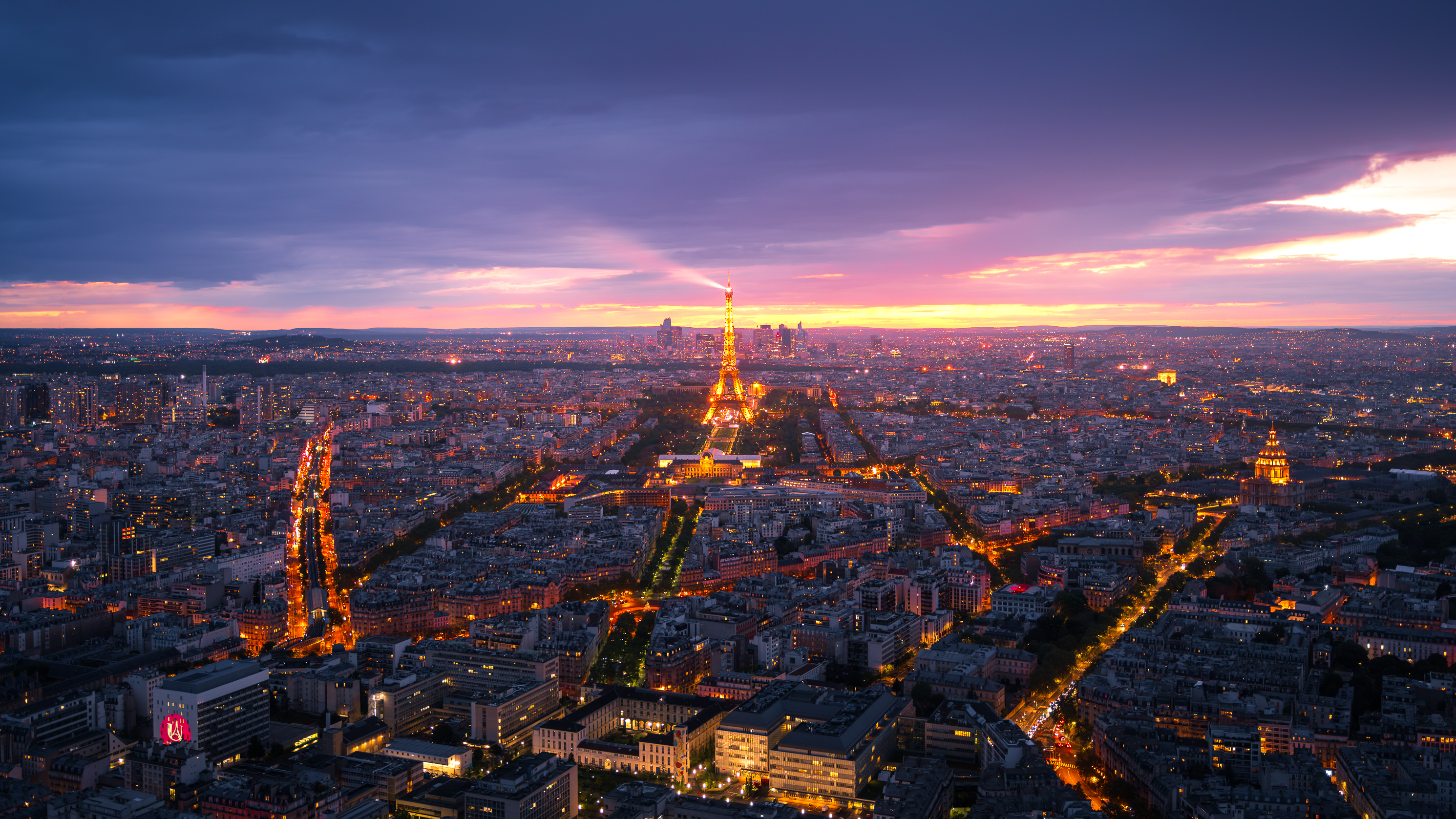
For centuries, Paris has shaped the worlds of art, design, fashion and gastronomy, making culture an essential part of the city’s identity. From world-famous museums and historic landmarks to local traditions, markets and everyday Parisian life, there is plenty to discover beyond the city’s best-known sights.
Stay at Fraser Suites Harmonie in Paris La Défense, where direct access to Métro line 1 puts many of central Paris’s cultural highlights within easy reach. Our fully equipped serviced apartments provide a comfortable base for exploring the city at your own pace.
From neighbourhood traditions to world-famous cultural landmarks, there are plenty of ways to experience Paris beyond its best-known sights.
Cultural Highlights of Paris: What to See and Where to Go
From classical paintings to bold modern installations, Paris offers a wide variety of museum and exhibition experiences year-round. Venues such as the Louvre, Centre Pompidou, and Musée d'Orsay host internationally renowned collections, while the Grand Palais has taken over hosting the Centre Pompidou's major exhibitions while the museum itself undergoes renovation until 2030. For large-scale contemporary art, the Fondation Louis Vuitton in the Bois de Boulogne is known for major exhibitions that change throughout the year.
Many exhibits also explore themes connected to French fashion culture, often on display at the Musée des Arts Décoratifs or during Paris Fashion Week. Whether it’s haute couture, graphic design, or streetwear, style plays a central role in the city’s cultural identity.
Musical Highlights in Paris
Paris boasts a dynamic music scene throughout the year. Outdoor jazz concerts at Parc Floral, summer music festivals in La Villette, and indie shows at intimate venues across the city offer something for every taste. Classical fans can enjoy concerts at the Philharmonie de Paris, while electronic music lovers will find local and international DJs performing in clubs and pop-up venues.
French Cuisine Culture
Dining in Paris is about more than food - it's a cultural experience. Visitors are encouraged to observe French dining etiquette, such as greeting your host with "Bonjour," keeping hands visible at the table (but not elbows!), and taking your time through multiple courses. Meals are viewed as social rituals, with conversation and pacing just as important as the food itself, whether you're at a neighbourhood bistro or one of the city's Michelin-starred addresses.
French Language and Everyday Phrases
French is the country's sole official language, set out explicitly in the constitution, and the government requires it in official communication and advertising.
On the ground in Paris and beyond, though, the linguistic picture is a little richer than that single line suggests, and knowing a handful of everyday phrases, along with a few of the country's other tongues, will help you settle into the culture rather than just observe it from the outside.
Greetings and Everyday French Phrases
The single most useful word to learn is "bonjour." It's customary to lead with it whenever you step into a shop, café or reception desk, before making a request, and it's a small habit that locals notice and appreciate.
In smaller towns you'll often hear the fuller "Bonjour, Messieurs-dames" used as a warm catch-all greeting to a room, with "Au revoir, Messieurs-dames" on the way out. Beyond that, "merci," "s'il vous plaît" and "excusez-moi" go a long way, and Parisians tend to respond warmly to a visitor making the effort in French, imperfect accent and all, more so than to an assumption that everyone speaks English.
Politeness extends beyond greetings, too. Punctuality is valued in both business and social settings, and in professional or formal contexts you'll often hear titles such as Monsieur or Madame used rather than first names, a small marker of the same thoughtful communication that makes the opening "bonjour" matter so much in the first place.
Regional Languages Beyond Paris
If your trip extends beyond the capital, you'll likely come across France's regional languages, none of which hold official status but all of which are still spoken with real affection.
Breton persists in Brittany, Occitan across the south in its Provençal and Gascon forms, Alsatian, a German dialect, around Strasbourg, Corsican on the island, and Basque in the Pyrenees near the Spanish border.
A 2008 change to the constitution formally recognised these as part of France's cultural heritage, even though French remains the only language with legal standing, so hearing something other than French spoken in a market in Brittany or a café in the Basque Country isn't unusual, it's simply another layer of French culture and customs beyond the capital.
Annual Events and Celebrations
Paris’s cultural calendar changes with the seasons, with major events bringing art, music, fashion, food and public celebrations into streets, parks and cultural venues across the city. Some are rooted in long-standing French traditions, while others reflect the more contemporary side of Parisian culture.
Bastille Day
Held on 14 July, Bastille Day is one of France’s most important national celebrations. In Paris, the day is marked by military ceremonies, public events and evening fireworks, creating one of the liveliest times of year to experience the city.
Paris Fashion Week
Paris Fashion Week brings designers, buyers, media and fashion enthusiasts to the city several times a year. Shows and events take place across Paris, reinforcing the city’s long-standing influence on global fashion and design.
Nuit Blanche
Nuit Blanche transforms Paris into an open-air cultural programme for one night, with contemporary art installations, performances and events taking place across museums, galleries and public spaces.
Fête de la Musique
Every June, Fête de la Musique fills the city with live performances. Free concerts take place in streets, squares, parks and venues, covering everything from classical music and jazz to rock and electronic sets.
Paris Pride
Paris Pride brings parades, cultural events and community gatherings to the city each summer. The celebrations form part of the city’s wider calendar of public events and often extend beyond the main parade with performances and activities across Paris.
Christmas Markets and Winter Lights
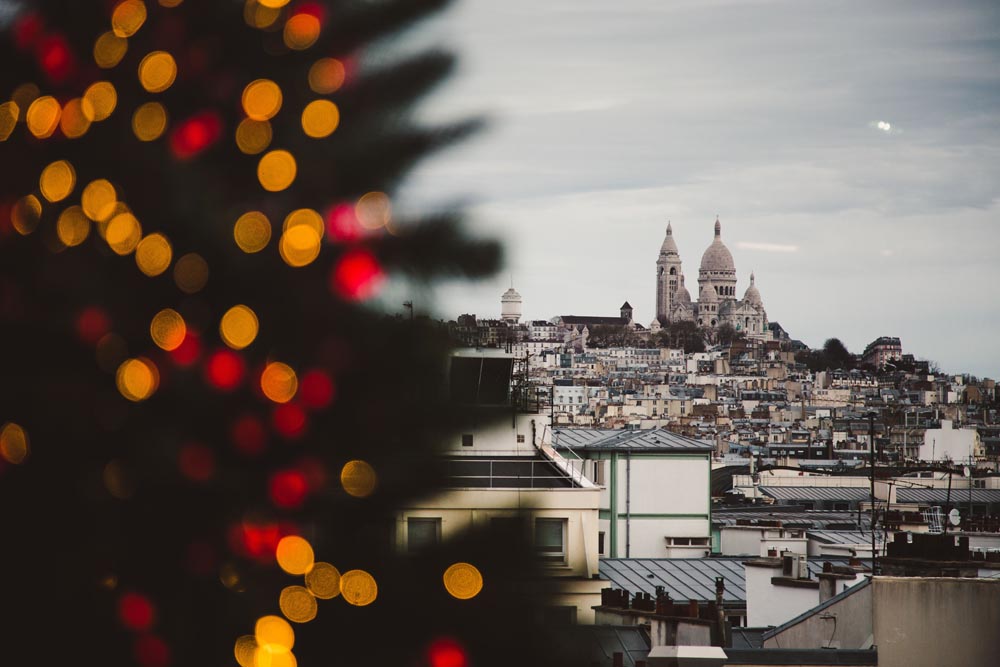
During the winter months, Christmas markets, festive displays and seasonal illuminations appear across the city. Major streets, department stores and neighbourhoods are decorated for the season, giving Paris a distinctly different atmosphere towards the end of the year.
Planning a visit around one of these annual events can offer another way to experience Parisian culture, from national traditions and large-scale celebrations to fashion, music and contemporary art.
Sports and Cultural Experiences
Sport plays a growing role in Parisian life. From football matches at Parc des Princes to international tournaments hosted at Stade de France, Paris offers fans unforgettable experiences. Whether you're watching tennis at Roland-Garros or running along the Seine, you'll feel how physical activity is celebrated as part of the cultural fabric.
Where to Stay While Exploring Parisian Culture
Fraser Suites Harmonie in Paris La Défense offers studio, one-bedroom and two-bedroom apartments, each with a fully equipped kitchenette. Esplanade de La Défense Métro station is close by, with line 1 providing direct access to many of the cultural highlights featured throughout this guide.
The property also holds Green Key certification, while its on-site gym and pet-friendly facilities, 24-hour concierge and dedicated business facilities add extra flexibility during your stay.
From museums and fashion to food, music and annual events, Fraser Suites Harmonie makes a convenient base for discovering more of Paris. Book your stay and start planning your cultural break.
FAQ: French Culture and Travel Tips
Do the French greet each other with a kiss?
Yes, la bise, a light kiss on each cheek, is the standard greeting between French friends, family and people you already know socially. Two kisses is most common, though parts of the country exchange three or four, and which cheek comes first depends on the region, it's typically reserved for people you know rather than a first business introduction, where a handshake is more usual.
Is tipping expected in France?
Tipping isn't expected in France the way it is in some countries, since restaurant bills already include a service charge by law, shown on the menu or receipt as "service compris." Rounding up for a coffee or leaving a little extra after a meal you particularly enjoyed is a nice gesture rather than an obligation, and it's rarely more than that even in nicer restaurants.
Why do café prices change depending on where you sit?
French cafés often charge different prices for the same drink depending on where you have it, standing at the bar, seated inside, or at a table on the terrace. You're not paying for better coffee, you're paying for the space and the right to linger as long as you like, so standing at the counter is always the cheapest option.
Are shops open on Sundays in France?
Most French shops and smaller businesses close on Sundays and public holidays, a longstanding tradition that's only slowly changing in busier tourist areas. Many boutiques also close for a couple of hours around lunchtime, so it's worth checking ahead if your day out relies on more than the main supermarket chains.
Is the French working week really just 35 hours?
The 35-hour week is still French law, but it's more of a technicality than a lived reality for most office workers, who typically put in closer to 45 to 50 hours and bank the difference as extra holiday. Lunch is taken seriously regardless, with a proper midday break of an hour or more the norm rather than eating at your desk, worth knowing if you're in Paris La Défense for business as much as culture.
Where to Stay in Paris
Fraser Suites Harmonie La Défense offers an ideal base for discovering all that Paris has to offer. Located near excellent transport links in the city’s business district, our serviced apartments blend comfort, convenience, and contemporary design—perfect whether you're visiting for a few days or planning an extended stay.

Planning a trip to Paris? Check out our travel guides!



Best Rates Guaranteed When You Sign Up As Our Loyalty Member
- Complimentary Stays
- Exclusive Members Rate
- Room Upgrade
- Late Checkout
- Welcome Voucher
- Annual Explorer Voucher