


Getting Around Paris: 5 Best Ways to Travel the City
22 April 2026

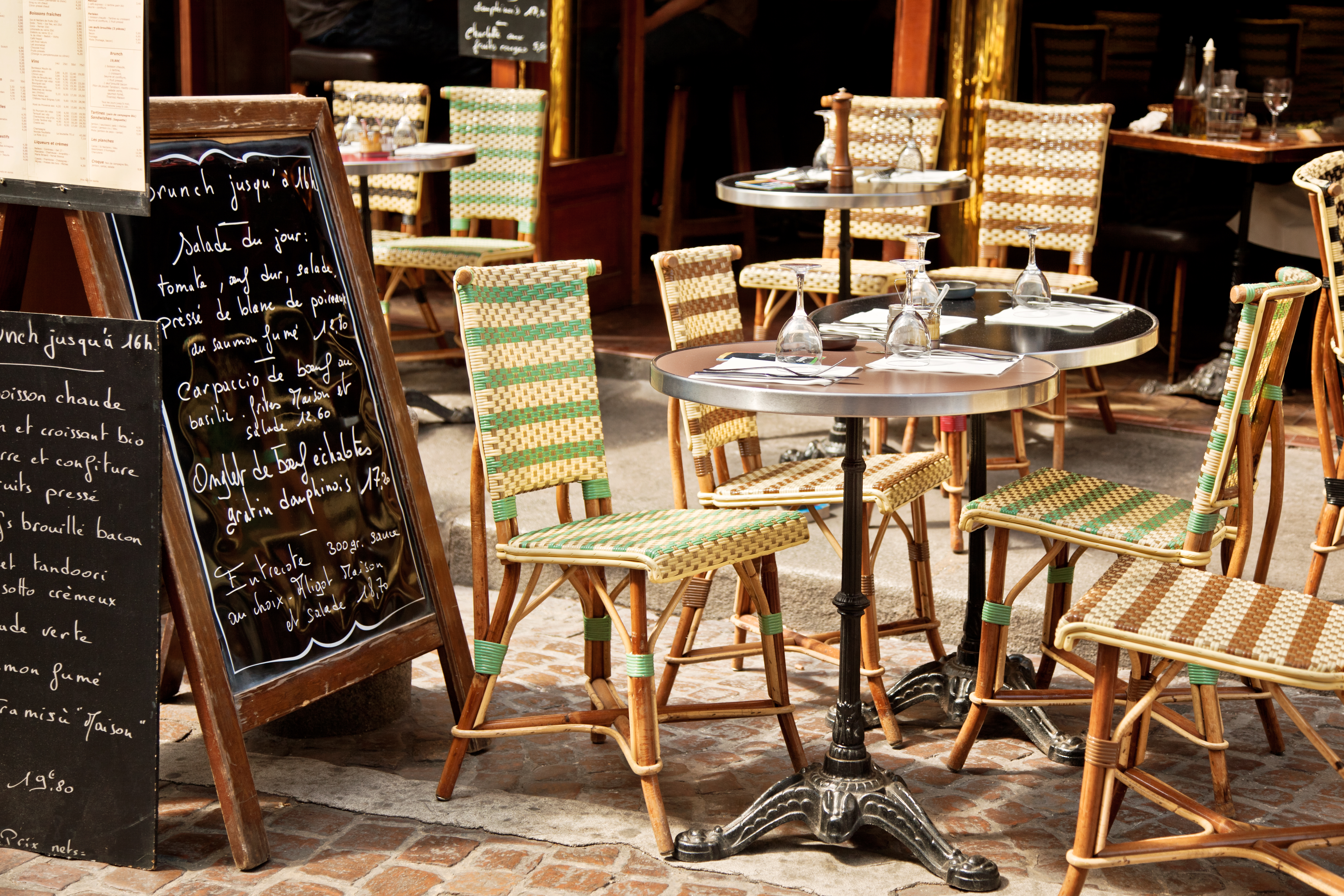

Knowing how to get around Paris can shape the pace of your whole stay. Some days call for the fastest route into the centre. Others are better when you stay above ground, take in the streets around you, and let the city unfold more gradually.
That is part of what works so well about staying at Fraser Suites Harmonie Paris La Défense. Set on Boulevard de Neuilly, the property is a short walk from Esplanade de La Défense on Metro Line 1, with direct access towards the Arc de Triomphe, the Champs-Élysées, Place de la Concorde and the Louvre. The wider La Défense transport hub also gives guests a broader choice of routes across Paris, including the newer RER E connection at La Défense Grande Arche.
Here are five of the best ways to travel in Paris, and when each one makes the most sense.
1. Use the Metro for quick, reliable city travel
For most visitors, the Metro is still the easiest way to get around Paris. It is the option that keeps the day moving when you want to fit several parts of the city into one itinerary without losing time on the road.
This works especially well for classic Paris days. You might start with a morning near the Louvre, cross the city for lunch in Saint-Germain-des-Prés, then head on to the Champs-Élysées or the Arc de Triomphe later on. If your plans include museums, shopping or dinner in different districts, the Metro keeps everything feeling simple.
From Fraser Suites Harmonie Paris La Défense, that convenience starts close to the property. With Esplanade de La Défense on Line 1 nearby, central Paris is easy to reach without overcomplicating the day.
2. Take the RER when you need to cover more distance
The RER becomes more useful when the day is spread across different parts of the city. That is where Fraser Suites Harmonie Paris La Défense is better connected than some travellers may first assume.
La Défense has long been well connected, but the arrival of the RER E station at La Défense Grande Arche has added another route through the network. That matters when Paris is not just a simple out-and-back journey into the centre. For fuller days across the city, that added route can make longer journeys feel much easier.
In practice, it gives this side of Paris more reach than many visitors assume. Instead of treating La Défense as somewhere separate from the city, you can use it as a base that works well for fuller days across Paris.
3. Use buses when you want to see the city as you travel
Buses are often overlooked, but they can be one of the best ways to get a feel for Paris properly. Staying above ground means you see how the city changes as you move through it, from grand avenues and Haussmann facades to smaller streets lined with cafés, bakeries and local shops.
This works well on quieter afternoons when you are moving between areas such as Madeleine, Saint-Lazare and the Latin Quarter and want the journey itself to feel like part of the day. It is also a useful option early in a stay, when seeing the city unfold street by street helps you get your bearings more naturally.
On stays of more than a couple of nights, buses can make Paris feel less abstract. You begin to notice which areas feel formal, which feel residential, and which deserve a slower return on foot. Tourist buses can also work well for shorter stays, especially when you want to cover the major landmarks without planning every connection yourself. Routes typically take in essentials such as the Eiffel Tower, the Louvre, Notre-Dame and Sacré-Cœur, making them a simple first-day option before exploring certain areas in more detail.
4. Walk or cycle to explore neighbourhoods properly
Some of the best parts of Paris only really appear once you slow down. Walking works best when you have already reached the neighbourhood you want to explore and can give it proper time.
That might mean wandering through the Marais, where small galleries, hidden courtyards and independent boutiques sit between busier streets. It might mean spending a morning in Saint-Germain-des-Prés, where bookshops, churches and cafés sit close together. Or it might mean taking your time along Canal Saint-Martin, where Paris feels more local and less ceremonial.
Cycling can work just as well when you want that same freedom with a little more range. It is particularly useful in the daytime if you want to move between nearby districts or follow the Seine without returning underground every time.
For a more local option, Vélib’ bike hire can be useful for shorter journeys once you are already in the city, especially around flatter central areas or along routes by the Seine. It is not always the best choice for every journey, but it can make sense when you want more freedom than the Metro without committing to a long walk.
This is often where Paris becomes more memorable. The landmarks matter, but so do the details between them.
5. Choose taxis, river cruises or private tours when the day calls for it
Not every journey in Paris needs to be about speed. Some are about convenience. Others are about seeing the city differently.
Taxis and ride-hailing services are useful when the day has run long, when you are travelling with children, when you are carrying shopping, or when you simply want a direct journey back in the evening. After a full day in central Paris, that ease can be worth it.
River cruises serve a different purpose. They are not daily transport, but they do offer one of the clearest visual introductions to the city. Bateaux-Mouches and similar Seine cruises are especially useful early in a stay, when seeing Paris from the water helps you understand how landmarks such as the Eiffel Tower, Notre-Dame and the Louvre sit in relation to one another.
For something more characterful, private city tours can also work well. A classic car tour, including the kind of Citroën 2CV experience many visitors associate with Paris, is not the most practical way to get around every day, but it can turn the journey itself into part of the trip.
What is the best way to get around Paris?
The best way to get around Paris usually depends on the shape of your day. If you want to move quickly between key sights, shopping districts or dinner reservations, the Metro is often the strongest choice, and it remains one of the most affordable ways to travel around the city.
If your plans take you further across Paris, the RER gives you more flexibility, especially from La Défense. Buses are also budget-friendly and ideal when you want to stay above ground and understand the city more visually. Once you reach an area worth lingering in, walking, cycling or a Vélib’ ride can give you more freedom. River cruises and private tours are best saved for moments when the journey itself is part of the experience. In practice, the most enjoyable stays usually combine all of these at different moments.
Why La Défense works well as a base for Paris
One of the misconceptions about staying in La Défense is that it feels too far removed from central Paris. In reality, it works well because you can get into the city quickly when you want museums, shopping, dining or central meetings, then return somewhere that feels more spacious at the end of the day.
That balance can be particularly valuable if you are staying longer than a quick overnight visit. If you are here for work, it is easier to move between business plans and central Paris without spending every evening in the busiest districts. If you are travelling with family, it gives you a calmer base between busier days out. If you are staying several nights, it helps Paris feel easier to settle into rather than something you have to rush through.
At Fraser Suites Harmonie Paris La Défense, that balance is part of the appeal: strong access when you want the city, and more room to breathe when you return.
Stay in Paris with more flexibility
At Fraser Suites Harmonie Paris La Défense, guests can see Paris with more flexibility and less friction. You have straightforward access into central districts, a broader choice of routes through the La Défense transport hub, and apartment-style space that suits stays lasting more than a quick weekend.
For work trips, family stays and longer visits, that combination matters. Paris remains easy to reach, but your base feels more practical at the start and end of each day.
Getting Around Paris FAQs
How long do you need to visit Paris?
You can see many of Paris’s main sights in a short stay, but three to four days usually gives the city more room to breathe. That gives you time to visit the major landmarks, explore a few neighbourhoods properly, and use different transport options without making every day feel rushed.
Should you buy transport tickets in advance in Paris?
It can help to look at ticket options before you arrive, especially if you expect to use public transport several times a day. For a short stay, simple single journeys may be enough, while longer visits may make a pass more convenient.
Do you need a car in Paris?
No. For most stays, a car is not necessary in Paris. Public transport, walking and the occasional taxi are usually more practical, especially when you want to avoid traffic, parking and navigating unfamiliar streets.
Is the Paris Metro difficult to use for first-time visitors?
The Metro can feel busy at first, but it is generally straightforward once you know your line, direction of travel and final stop. It helps to check the route before entering the station, especially at larger interchanges.
Can Fraser Suites Harmonie Paris La Défense help with airport transfers?
Yes. Airport transfer assistance is available on request for journeys to and from Paris Orly and Paris Charles de Gaulle. A private shuttle or pick-up service may also be arranged, which can be useful when arriving with luggage, travelling with family or planning a smoother first journey to the property.


Best Rates Guaranteed When You Sign Up As Our Loyalty Member
- Complimentary Stays
- Exclusive Members Rate
- Room Upgrade
- Late Checkout
- Welcome Voucher
- Annual Explorer Voucher