

13 January 2026
Paris reveals itself most intimately through its parks and gardens. Between grand boulevards and historic monuments lie green spaces where the city pauses and breathes. From the formal elegance of the Jardin des Tuileries to the wild romantic landscapes of Parc des Buttes Chaumont, each park possesses its own character. These spaces are essential parts of Parisian life, where people read on benches, children sail toy boats, and joggers trace centuries-old paths. For those staying at Fraser Suites Le Claridge Champs-Élysées, many of the city's finest green spaces lie within a pleasant walk or short metro journey.
Paris's most famous gardens combine landscape architecture with centuries of history, creating spaces where beauty serves both aesthetic and social purposes.
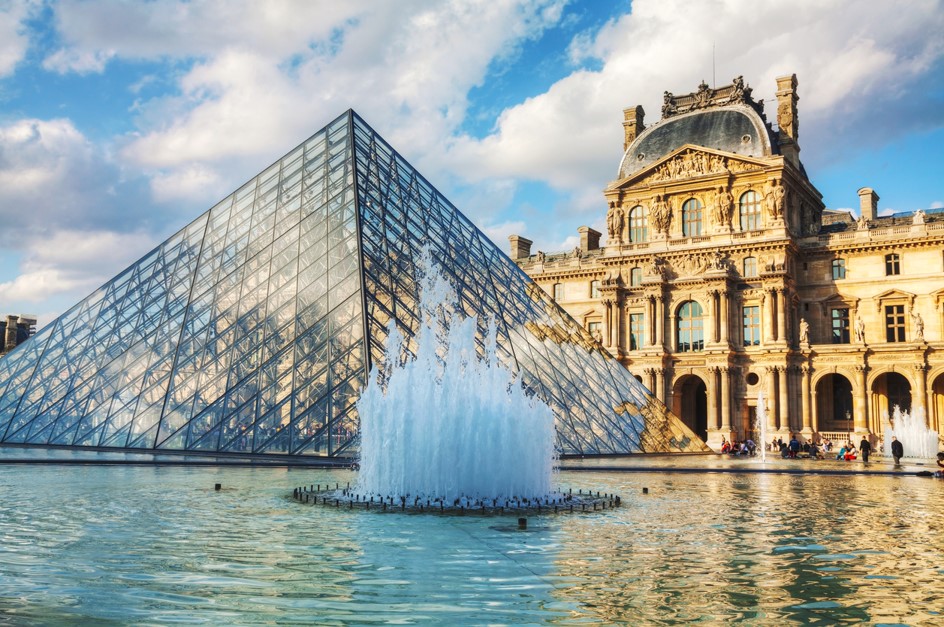
Stretching between the Louvre and Place de la Concorde, the Jardin des Tuileries represents French formal garden design at its most refined. André Le Nôtre laid out these gardens in the 17th century, establishing the geometric patterns, straight pathways, and carefully positioned sculptures. The central allée, bordered by clipped chestnut trees, draws you towards the Louvre's pyramid or the Concorde's obelisk.
The gardens change character with the seasons. Spring brings blooming tulips, summer fills the space with families seeking shade, autumn transforms the chestnuts into gold, and winter reveals elegant structure. Small ponds at either end allow children to push wooden boats with sticks, a traditional Parisian activity. Cafés within the gardens provide places to rest.
The Jardin du Luxembourg holds a special place in Parisian affections. Created in the early 17th century for Marie de Médicis, the gardens surround the Luxembourg Palace with formal French and English landscape design. The central basin becomes a gathering point where children rent miniature sailboats, guiding them across the water with long sticks.
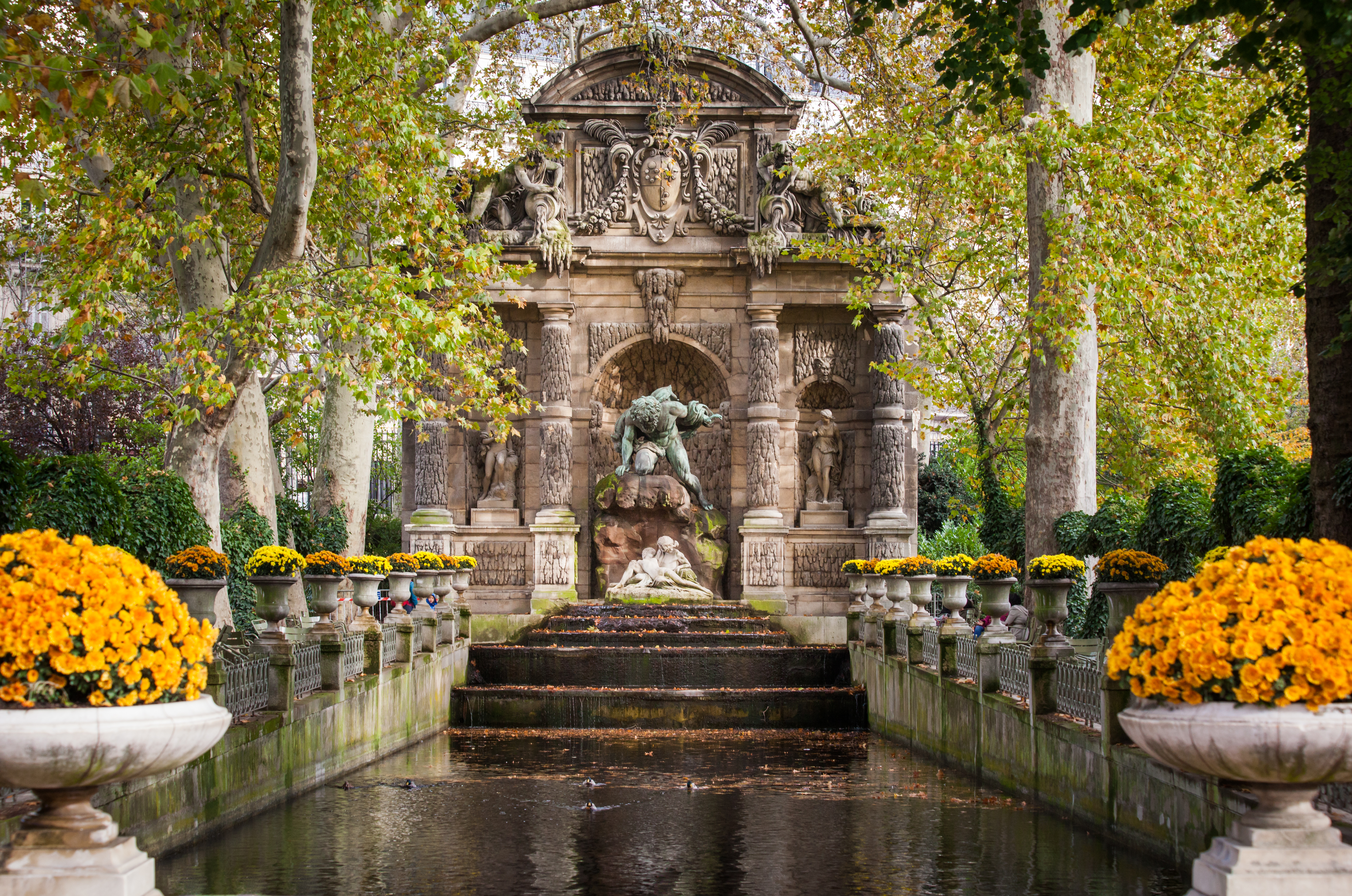
The gardens offer multiple experiences within their 25 hectares. Formal parterres showcase geometric precision with seasonal flowers. The English garden section provides naturalistic contrast. Tennis courts, chess tables, a puppet theatre, and the Medici Fountain contribute to the garden's vitality. Students from the nearby Sorbonne read on benches, joggers circle perimeter paths, and locals claim favourite chairs.
On opposite sides of Paris, two vast wooded parks provide escape on a different scale, where kilometres of paths wind through forests, around lakes, and past attractions that could occupy entire days.
The Bois de Boulogne spreads across Paris's western edge, covering more than 800 hectares of forest, lakes, gardens, and recreational facilities. The park contains several distinct areas. The Bagatelle rose garden displays thousands of roses in June. The Jardin d'Acclimatation serves as an amusement park for children.
Two large lakes allow rowing boat rental, with wooded islands accessible only by water. Paths suitable for cycling, jogging, and walking weave through woods. The park hosts sporting events, including the Paris Marathon finish line. Visiting requires choosing your focus, as the park's size makes comprehensive exploration in a single visit impossible.
On Paris's eastern side, the Bois de Vincennes provides similar scale with different character. This park encompasses the Château de Vincennes, a medieval fortress, along with lakes, gardens, and the Paris Zoo. The Parc Floral presents themed gardens showcasing different plant families. During summer, the Parc Floral hosts free jazz concerts on weekend afternoons.
The Lac Daumesnil, with its rocky islands and grottoed shores, provides romantic scenery. Both great woods offer respite on a scale that neighbourhood parks cannot match, demonstrating Paris's commitment to preserving large green spaces.
Some parks in Paris prioritize atmosphere over formality, creating landscapes that feel designed for dreaming, wandering, and discovering unexpected views.
Parc des Buttes Chaumont stands apart through its dramatic topography and romantic design. Created in the 1860s from abandoned quarries, the park transforms industrial wasteland into picturesque landscape. Steep paths climb to a rocky island crowned by a Roman-style temple, where views extend across northeast Paris. A suspension bridge and hidden grotto add elements of surprise.
The park's irregular terrain involves genuine climbing, making it ideal for visitors seeking parks that feel more like countryside. Waterfalls cascade down rocky faces, and hidden corners reveal themselves to those willing to explore. For those seeking authentic Parisian experiences beyond the obvious attractions, Buttes Chaumont delivers distinctive character.
In the 8th arrondissement near the Champs-Élysées, Parc Monceau presents an intimate alternative. This garden originated as a private aristocratic fantasy landscape in the 18th century, complete with architectural follies including a pyramid, Dutch windmill, and colonnade. These whimsical structures remain scattered through the park. The park's small size makes it perfect for shorter walks.
Several of Paris's most significant gardens exist in relationship to buildings, where landscape and architecture combine to create unified experiences.
The gardens surrounding the Musée Rodin deserve visit status independent of the museum itself, though the combination of sculpture and landscape creates something greater than either alone. Rodin's bronze works, including The Thinker and The Gates of Hell, occupy positions throughout the gardens where roses climb trellises and box hedges create geometric patterns.
The interplay between flowing organic forms of the sculptures and the structured garden design produces constant visual interest. A café in the gardens allows lingering over coffee while contemplating the works, making this one of Paris's most civilized spots for an afternoon pause.
Hidden behind colonnaded arcades in central Paris, the Palais Royal gardens offer refuge just steps from the Louvre's crowds. The formal garden, with its double rows of lime trees and central fountain, maintains a calm dignity that seems to resist the surrounding city's energy.
The controversial striped columns by Daniel Buren in the palace courtyard create a modern counterpoint to classical architecture, though the gardens themselves maintain traditional design. This is a garden for quiet sitting, for reading, for watching light change through leaves. Its central location makes it valuable for those moments when sightseeing exhaustion demands immediate rest.
Paris's connected green spaces allow for extended walks that link parks, gardens, and tree-lined boulevards into routes covering considerable distances without leaving greenery.
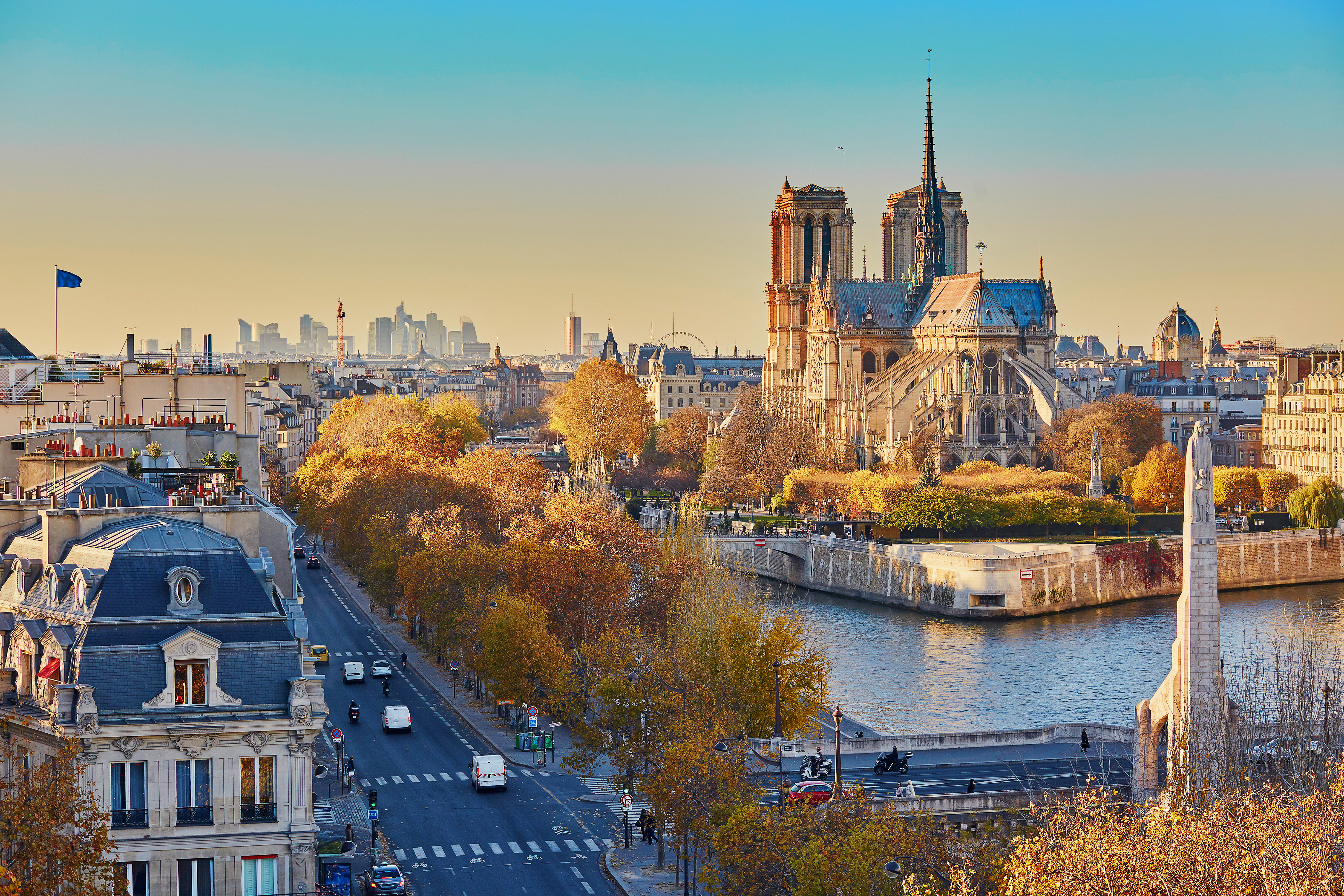
The banks of the Seine, particularly the Left Bank between Pont de l'Alma and Pont de Sully, provide kilometres of pedestrian paths lined with plane trees, bouquiniste bookstalls, and views towards monuments. Walking the Seine connects major parks like the Tuileries and Champ de Mars. Early morning walks reveal the city in soft light, while evening walks capture sunset reflections.
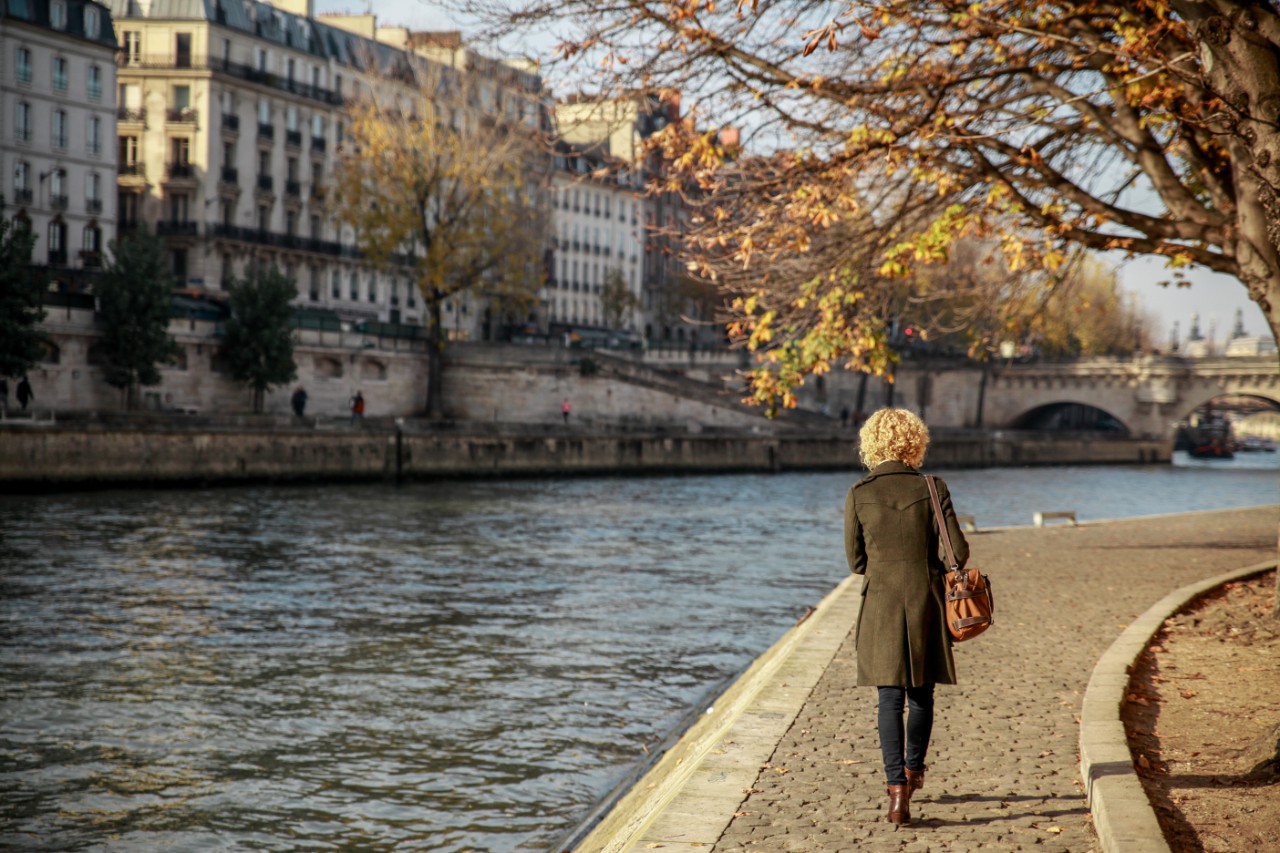
In northeast Paris, the Canal Saint-Martin's towpath leads from Place de la République through locks and iron footbridges to the expansive Parc de la Villette. This walk covers several kilometres through neighbourhoods offering glimpses of everyday Parisian life. The canal, shaded by plane trees, moves slowly through locks. Cafés and bars line portions of the route.
The experience of Paris's parks transforms dramatically with seasons, making return visits to the same spaces feel fresh.
Spring brings explosive colour to Parisian gardens as bulbs emerge. The Luxembourg Gardens' formal beds fill with tulips arranged in patterns, while cherry trees bloom across the city. Parisians reclaim park benches and lawns for reading, picnicking, and socializing.
Autumn rivals spring for appeal in Paris's parks, as deciduous trees transform into shades of gold, orange, and red. The plane trees drop leaves that crunch underfoot. Light in autumn takes on particular quality that enhances photography. Autumn in Paris reveals the parks at their most painterly.
Understanding some basics helps maximize enjoyment of Paris's parks.
Most Paris parks open at dawn and close at dusk, with exact times varying seasonally. Gates are locked at closing time. The Bois de Boulogne and Bois de Vincennes remain open all night though some interior gardens have restricted hours. Entry to all public parks is free, though some special gardens like Bagatelle charge small admission fees.
Public restrooms exist in major parks, though quality varies. Cafés and kiosks provide drinks and snacks. Many parks have playgrounds, and some rent equipment like toy boats for children. Park benches and green metal chairs are free to use.
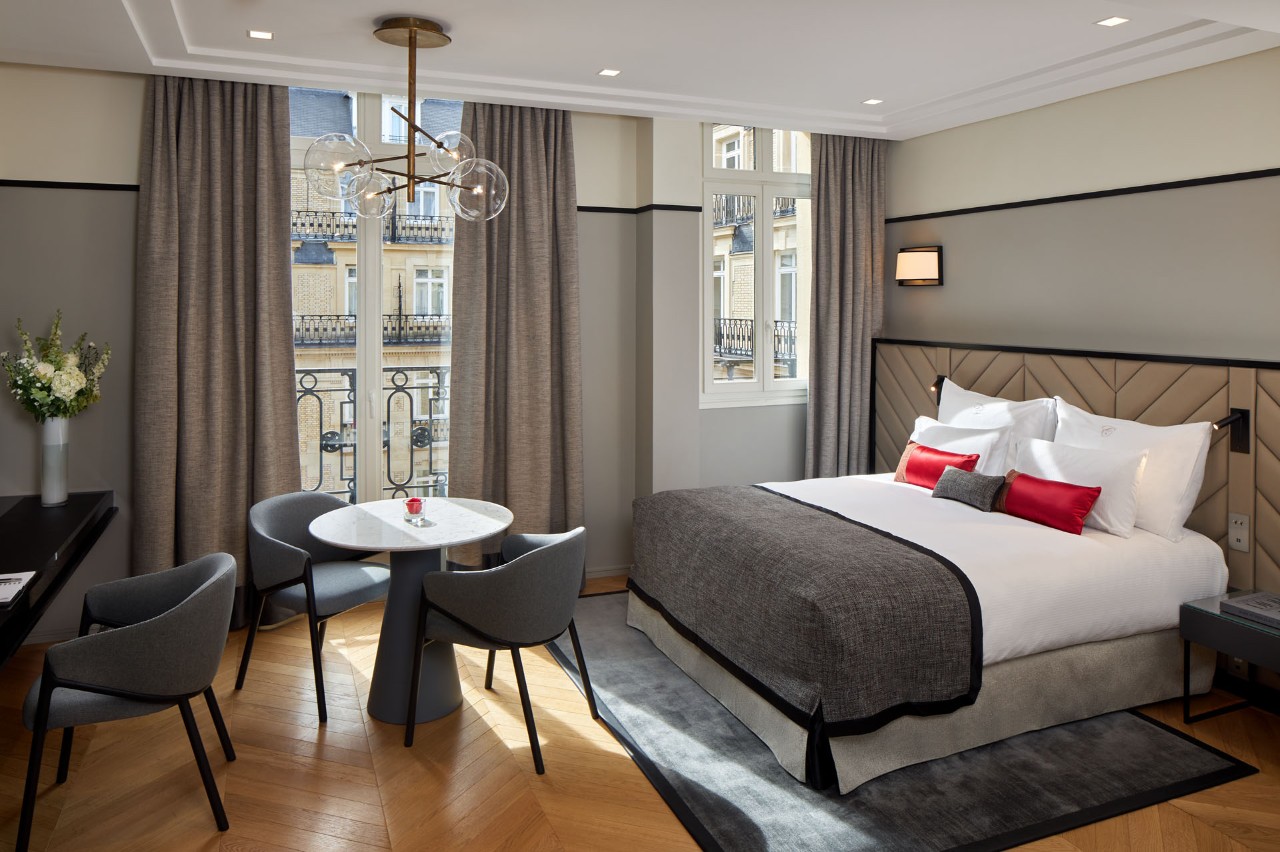
Located in the prestigious 8th arrondissement, Fraser Suites Le Claridge Champs-Élysées places guests within walking distance of several significant parks including Parc Monceau, with excellent connections to gardens across Paris. The suites provide elegant accommodation with full kitchen facilities, separate living areas, and the space needed for extended Paris stays.
The property's location in one of Paris's most elegant neighbourhoods means tree-lined avenues and garden squares surround the building itself. For those who appreciate Paris's green spaces, staying near the Champs-Élysées provides the perfect base for park exploration. Discover current accommodation offers to enhance your Paris experience.
The Jardin du Luxembourg offers well-maintained gravel paths perfect for jogging, with a popular perimeter route of approximately 2 kilometres. For longer runs, the Bois de Boulogne and Bois de Vincennes provide extensive networks of paths.
Most green spaces in the capital close at dusk and are locked overnight. The Bois de Boulogne and Bois de Vincennes remain open but are best avoided after dark. Stick to well-lit areas and main paths if walking near gardens in the evening.
Yes, picnicking is a beloved activity throughout the city. Lawns in Luxembourg Gardens, Champ de Mars, and most other green spaces welcome picnickers. Some formal garden areas prohibit sitting on grass, but these are clearly marked.
The Jardin du Luxembourg excels for children with its playground, toy boat pond, puppet theatre, and pony rides. The Jardin d'Acclimatation in the Bois de Boulogne functions as a complete amusement park. For more suggestions, explore family-friendly activities in Paris.
Spring (April-May) for flowering bulbs and trees, and autumn (October-November) for foliage colour are peak seasons. However, each season offers distinct appeal, and well-designed green spaces remain beautiful year-round.
The Jardin des Tuileries lies approximately 1.5 kilometres from the property, an easy 20-minute walk along the Champs-Élysées and through Place de la Concorde, or a short metro journey.
Yes, various companies offer guided walks focusing on gardens and green spaces, often including historical and botanical information. These tours can deepen appreciation for landscape design and horticultural choices that might otherwise go unnoticed.