


Corporate Travel Essentials: What to Know Before Visiting Bangkok
13 August 2026
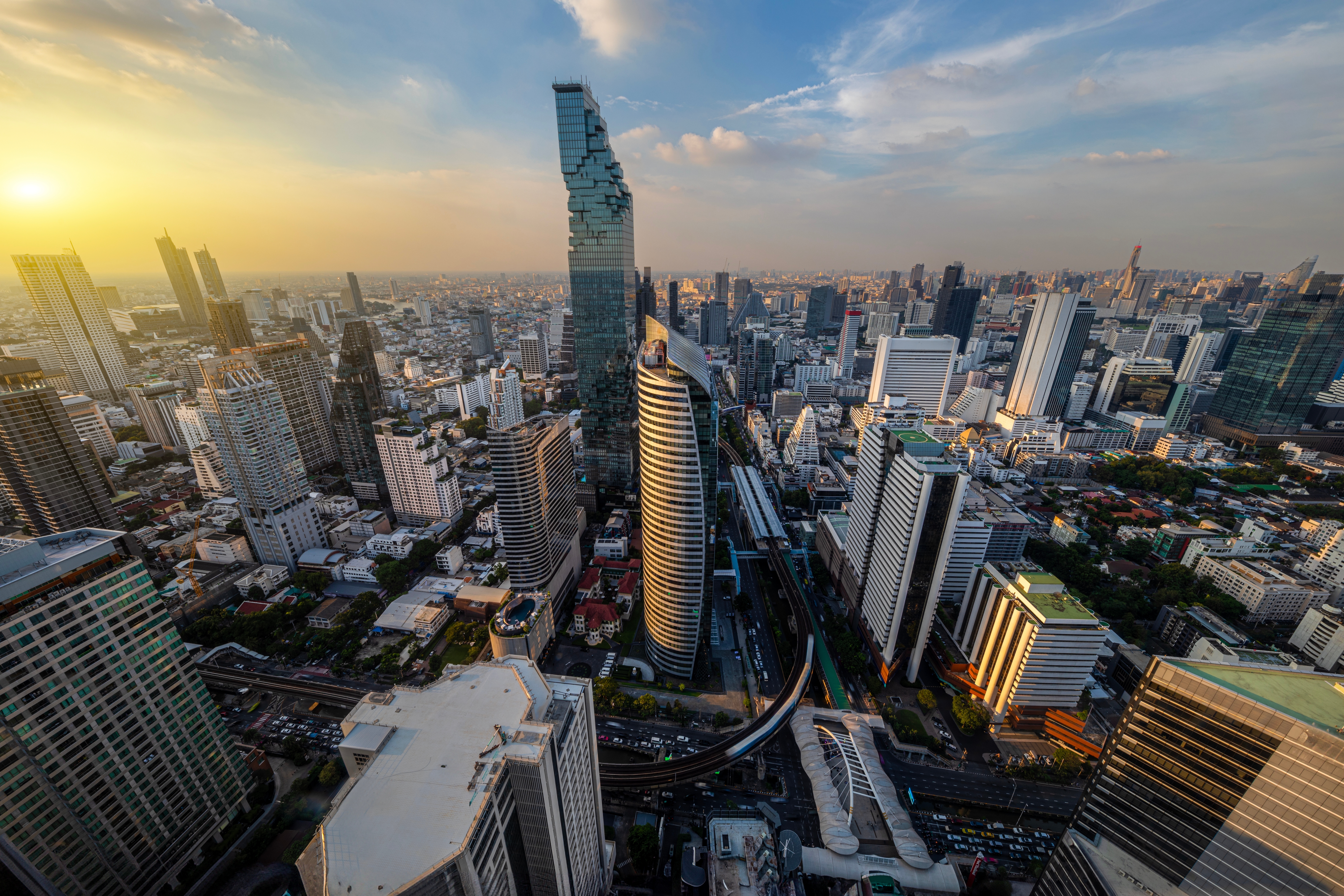


As one of Southeast Asia’s most dynamic business hubs, Bangkok draws corporate travellers from around the world for conferences, client meetings and regional headquarters visits. But beyond the boardroom, the Thai capital presents a unique blend of cultural nuance, logistical complexity, and unexpected opportunity. Whether it's your first trip or your fifth, understanding the essentials before you land will make all the difference between a productive visit and a stressful one.
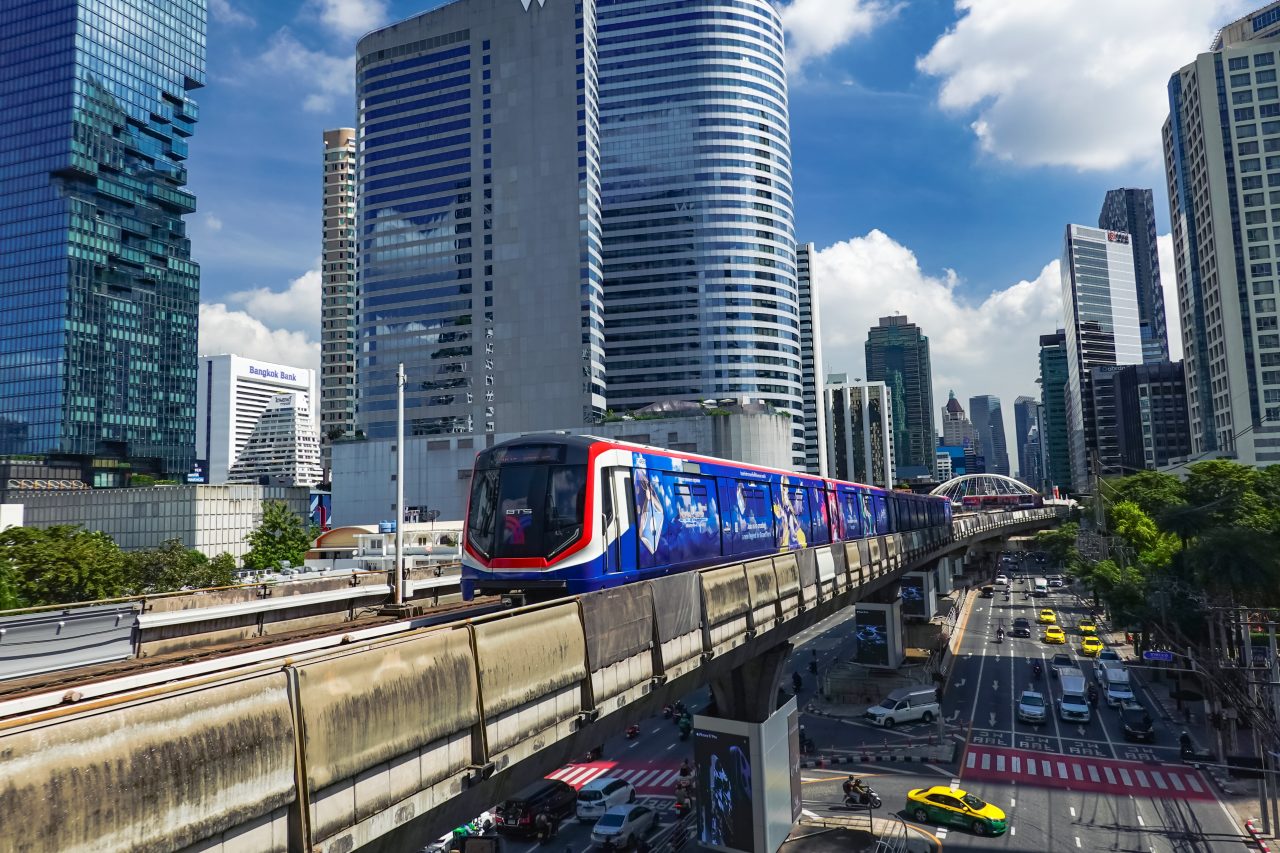
Navigating Bangkok: Transport & Getting Around
Navigating Bangkok’s notorious traffic is one of the most important aspects of getting around in the city, and thinking you can figure it out as you go along is a mistake. In fact, a planned strategy works best. The BTS Skytrain and MRT subway are your best options for punctual travel across the city, as both networks are clean, punctual and connect to all the key areas and districts. For airport transfers, the Suvarnabhumi Airport Rail Link provides a fast, direct connection to the city centre in less than 30 minutes.
When the trains and rail aren’t an option, Bangkok’s app-based ride services like Grab are widely available and far more predictable than trying to get a street taxi. It’s also worth factoring in your accommodation location, especially if your meetings and events are concentrated in one specific district or are

Business Etiquette & Cultural Awareness
Thai business culture places considerable emphasis on respect, hierarchy, and relationship-building. Understanding a few key conventions will help you make a strong first impression and build lasting professional rapport.
A genuine greeting at the start can set the tone for how your meetings go. The traditional wai - a slight bow with palms pressed together - is a courteous way to acknowledge Thai colleagues. While a handshake is widely accepted in international business settings, responding to a wai with one of your own is always appreciated.
Punctuality is valued, and arriving on time is an indicator of your professionalism. Business cards are exchanged with both hands and should be received respectfully - take a few moments to read the card before setting it aside or carefully putting it in your pocket. You should avoid writing on business cards or placing them in your back pocket, as this can be offensive.
Dress code is generally formal in corporate settings. Conservative, well-pressed attire is the standard, and it demonstrates both professionalism and cultural sensitivity.
Practical Essentials
Bangkok is a well-connected city with solid infrastructure for business travellers. Here's what to sort out before or upon arrival.
Mobile connectivity: Tourist SIMs with generous data packages are available at the airport from providers like AIS and DTAC. Alternatively, international eSIMs can be activated before departure for seamless connectivity from the moment you land.
Currency: Thailand operates on the Thai Baht (THB). While card payments are accepted at most hotels and upscale venues, cash remains essential for taxis, street food, and smaller establishments. ATMs are plentiful, though foreign transaction fees can add up - check with your bank before travelling.
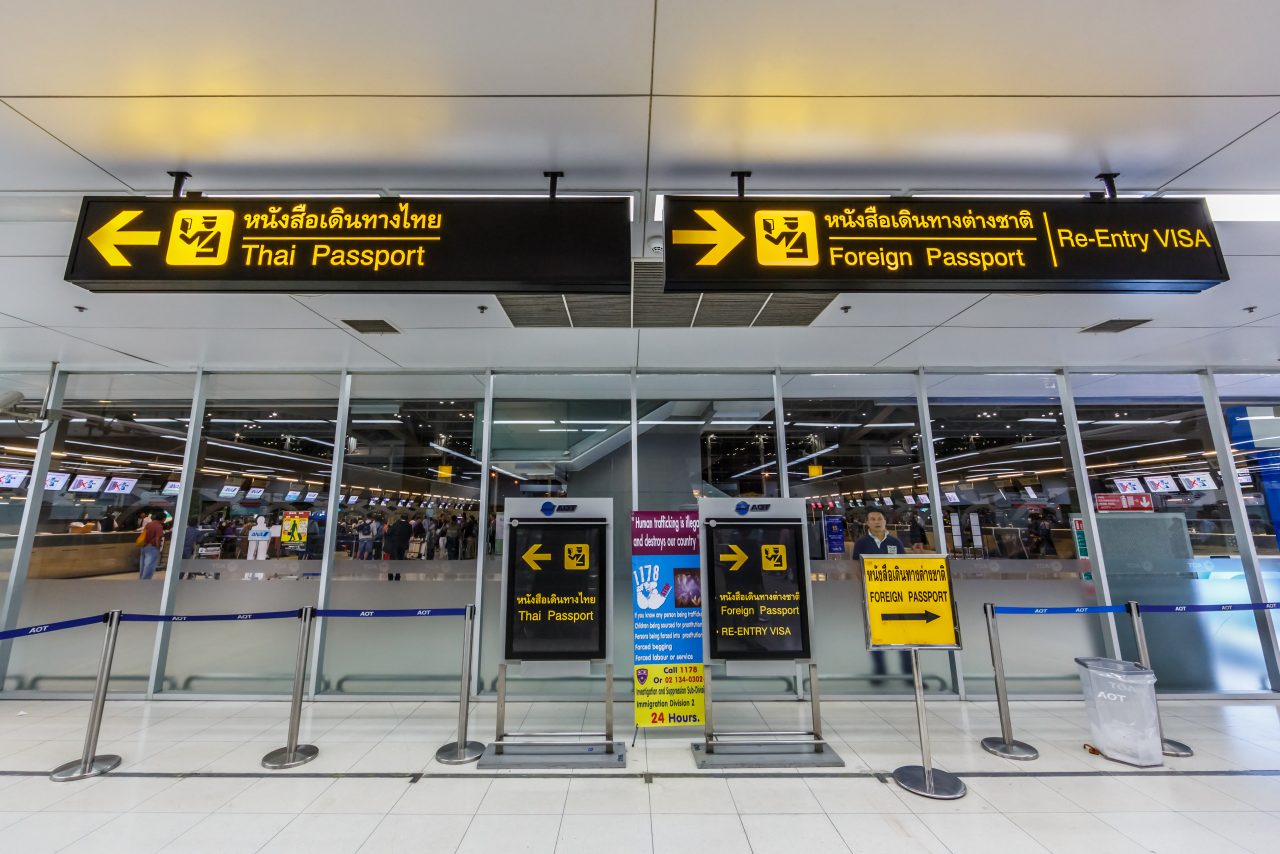
Visas: Many nationalities receive a visa exemption for stays of up to 30 days. However, visa regulations change periodically, so confirm your country's current status through the Thai Ministry of Foreign Affairs before booking.
Health & Safety: Bangkok's tap water is not drinkable - stick to bottled water throughout your stay. Carry a small supply of hand sanitiser and any prescription medications in their original packaging.
Managing Productivity Across Time Zones
Bangkok operates on Indochina Time (ICT), UTC+7, which means significant time differences for travellers from Europe, the Americas, and even parts of Asia. Which is why managing jet lag effectively is key to showing up sharp for morning meetings.
If possible, arrive a day early to allow your body to adjust and your mind to settle. When you board your flight, set your schedule to local time, and prioritise natural light exposure in the morning once you arrive. You should also leverage the time zone difference strategically, as Bangkok’s business hours can overlap productively with colleagues in Europe during the early evening, and with Asia-Pacific counterparts throughout the day.
Why Accommodation Choice Matters
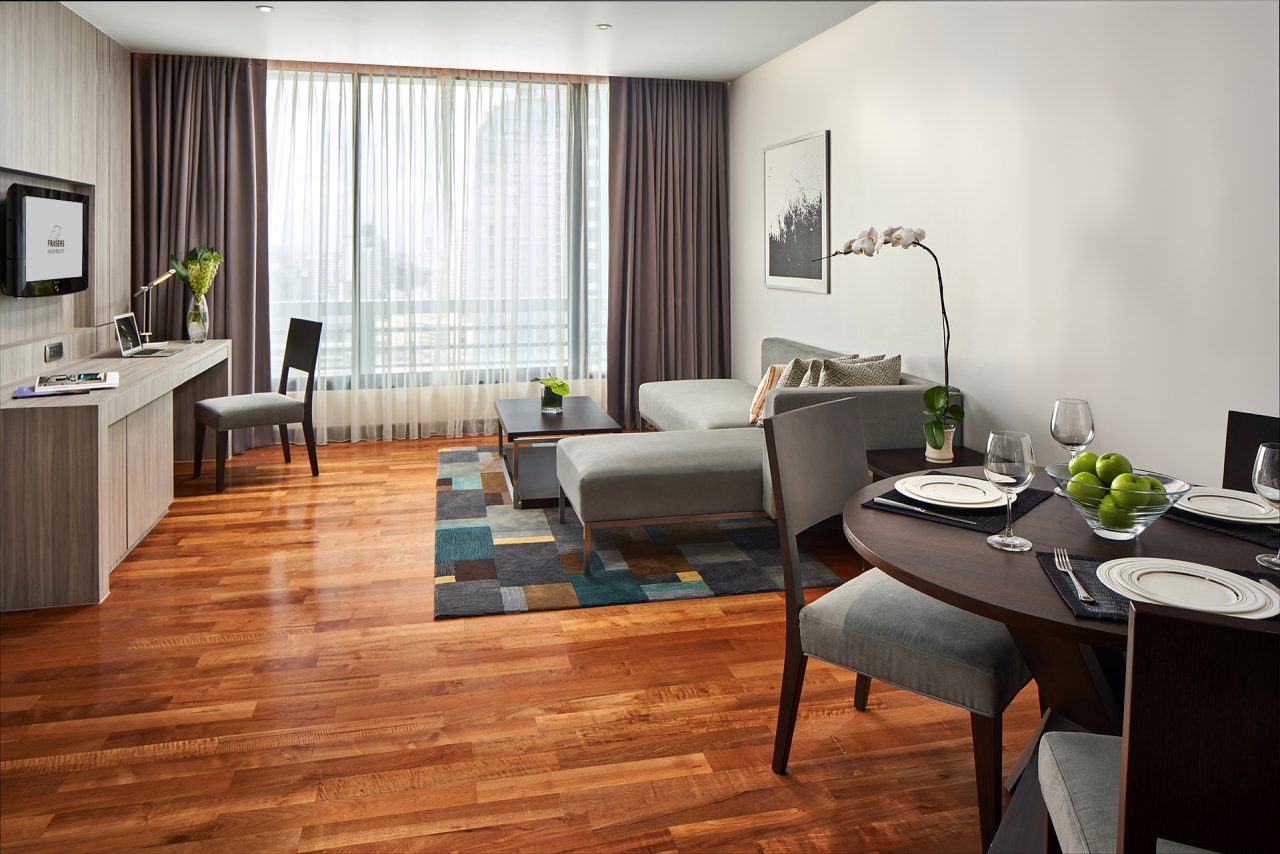
For business travellers, accommodation is never just a place to sleep - it's a base of operations. Fraser Suites Sukhumvit Bangkok is purpose-built for exactly this kind of stay. Located in the heart of Sukhumvit, one of Bangkok's most accessible and business-centric neighbourhoods, the property features configurations ranging from executive studios to an expansive 3-bedroom serviced apartment in Bangkok, combining the comfort of home with the facilities of a premium hotel.
Fully equipped kitchens, dedicated workspaces, high-speed Wi-Fi, and on-site meeting facilities make it easy to stay productive whether you're preparing for a presentation or winding down after a long day of negotiations.
The property’s proximity to the BTS Skytrain puts the city’s key business districts within easy reach, while a range of dining, retail and leisure options sit right at the doorstep. For extended stays or frequent visits, the apartment-style format offers a sense of routine and comfort that standard hotel rooms simply can’t replicate.
Conclusion
Bangkok rewards business travellers who come prepared. From navigating its traffic-heavy streets to respecting the subtleties of Thai business culture, a little preparation goes a long way
toward ensuring a smooth and successful trip. Keep your transport sorted, your documents in order, your schedule realistic, and your body clock well-managed - and you'll find Bangkok to be one of the most rewarding business destinations in Asia.
When it comes to where you stay, make it count. Fraser Suites Sukhumvit Bangkok provides the space, comfort, and connectivity that corporate travellers need to operate at their best. Book your stay at Fraser Suites Sukhumvit Bangkok and experience serviced living designed for the modern business traveller.


Best Rates Guaranteed When You Sign Up As Our Loyalty Member
- Complimentary Stays
- Exclusive Members Rate
- Room Upgrade
- Late Checkout
- Welcome Voucher
- Annual Explorer Voucher