15 February 2026
Berlin is a city of layers. Imperial grandeur stands shoulder to shoulder with striking modern glass, vibrant street art sits just metres from solemn memorials, and expansive green parks punctuate dense urban streets. It’s this interplay of contrasts that makes Berlin one of Europe’s most compelling destinations for photography.
If you are searching for Berlin Instagram spots, this guide highlights 20 locations across the city, combining landmarks, hidden corners and elevated viewpoints. Each location offers something different, whether you prefer architectural symmetry, vibrant colour, open space or historical context.
Tempelhof Field is one of Berlin’s most distinctive open spaces. The former airport runway stretches for kilometres, creating uninterrupted leading lines that work particularly well for wide-angle photography.
Because of its scale, this is one of the easiest Berlin Instagram spots for clean compositions without heavy crowd interference. Sunset is particularly effective here. The flat horizon allows the sky to dominate your frame, while runway markings create natural perspective lines.
For more minimalist shots, position yourself low to emphasise the painted runway numbers. Cyclists and skaters often pass through the scene, which can add movement to otherwise static compositions.
The nearest U-Bahn stations are Platz der Luftbrücke and Tempelhof, making it straightforward to access even if you are staying centrally.
Located in Prenzlauer Berg, Kulturbrauerei is a preserved 19th-century brewery complex now operating as a cultural venue. The red-brick façades, arched windows and layered courtyards create strong architectural texture.
Because the complex is enclosed, you can experiment with framing through archways and doorways to add depth to your images. Overcast weather actually works well here, as it softens shadows against the brick.
Seasonal markets and evening events introduce lighting installations that change the mood of the space. If you are visiting during winter, the Christmas market provides particularly strong visual contrast.
Eberswalder Strasse station is a short walk away, making this one of the more accessible secret photo spots in Berlin.
Bar Tausend sits discreetly beneath railway tracks near Friedrichstrasse. The interior features mirrored surfaces, metallic finishes and low lighting, making it one of the more atmospheric Berlin Instagram locations.
For interior photography, avoid direct flash. Instead, position yourself where reflections multiply across the curved mirrored walls to create depth. Cocktails provide natural colour contrast against the darker background.
Evenings tend to be busier, so arriving early allows for cleaner compositions. The entrance itself is minimal and understated, which can also create a strong contrast shot against the industrial surroundings.
Its central location makes it easy to combine with Museum Island or Brandenburg Gate during the same route.
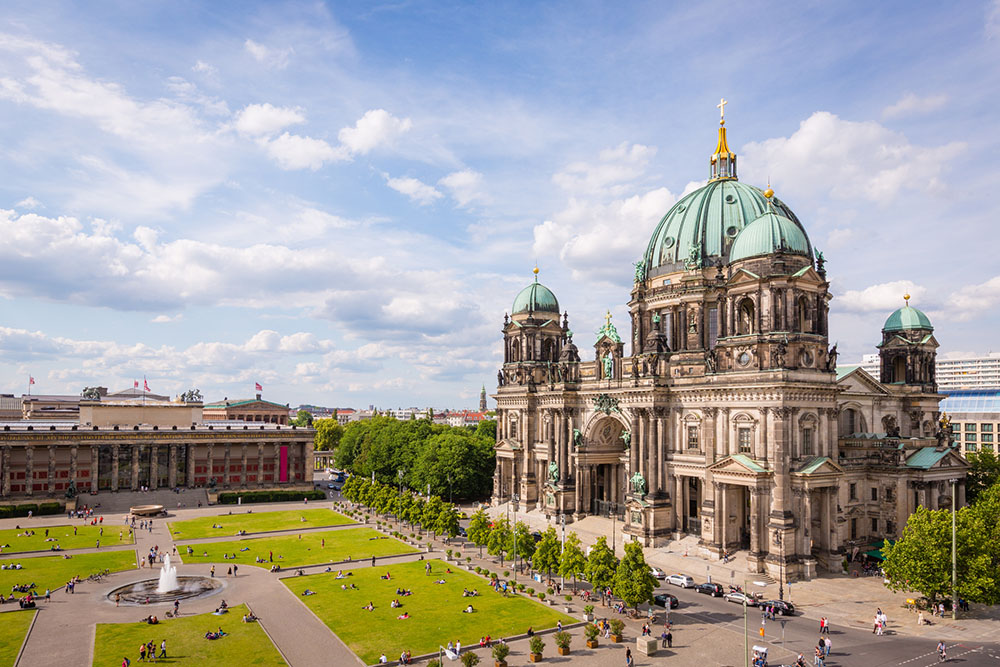
Museum Island remains one of the most consistent Berlin best photo spots. The five museum buildings and Berlin Cathedral form a cohesive architectural landscape along the River Spree.
Morning light is particularly effective, as it reduces harsh shadows and tourist density. For symmetrical framing, use the riverside paths to align the cathedral dome centrally within your composition.
Monbijoubrücke and Schloßbrücke both offer strong elevated angles over the Spree, while open spaces such as Lustgarten make it easier to capture wider architectural shots with Berlin Cathedral and the surrounding museum buildings in frame. If you are photographing reflections, wind conditions matter, as calmer water produces cleaner mirrored images.
Hackescher Markt and Alexanderplatz are both within walking distance, making this an easy addition to a central photography route.

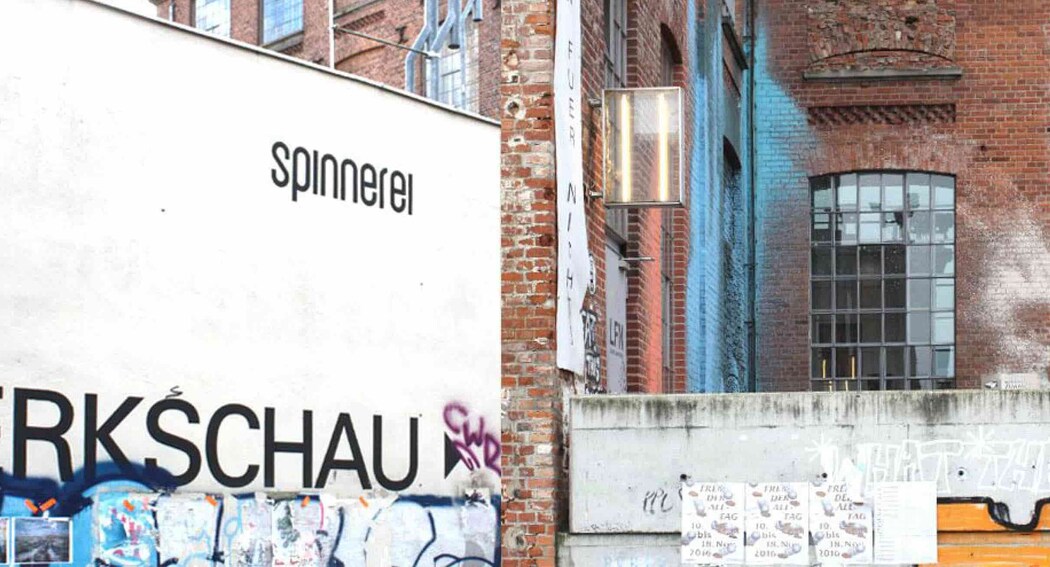
Haus Schwarzenberg, near Hackescher Markt, offers a completely different visual style from Berlin’s classical landmarks. Narrow alleyways are layered with street art, murals and political messaging.
Because the artwork changes frequently, no two visits will produce identical results. This makes it one of the stronger secret photo spots in Berlin for those looking for originality.
Mid-morning light works best here, as the passageways can become shadow-heavy later in the day. Experiment with close-up detail shots rather than wide framing to capture texture and colour intensity.
Its proximity to cafés and galleries means it can easily be combined with other stops in Mitte.

Charlottenburg Palace offers a more traditional architectural setting. Located west of the city centre, it introduces formal gardens, water features and classical symmetry into your photography route.
For balanced compositions, stand along the central garden axis facing the palace façade. Spring and autumn provide seasonal colour contrast, while winter can produce clean, minimalist shots if snow is present.The palace interior allows photography in certain areas, though always check restrictions before shooting.
Richard-Wagner-Platz station provides the most convenient access. Allow additional time for the gardens, as some of the stronger compositions are slightly removed from the main entrance.

Gendarmenmarkt is often considered one of Berlin’s most visually balanced squares. The Konzerthaus sits centrally, flanked by the French and German Cathedrals.
Evening blue hour provides the most consistent lighting for architectural photography. The buildings illuminate evenly, reducing contrast imbalance.
For a symmetrical frame, position yourself directly facing the Konzerthaus steps. A tripod can be helpful in lower light conditions, although be mindful of pedestrian traffic.
The square is within walking distance of Stadtmitte station, making it easily accessible from most central locations.
Kurfürstendamm introduces a different pace. As Berlin’s established shopping boulevard, it blends historic façades with contemporary retail spaces.
Street photography works particularly well here. Reflections in shop windows can create layered urban compositions, especially during evening hours when interior lighting contrasts with darker streets.
If you are aiming for cleaner architecture shots, visit earlier in the morning before peak shopping hours.
The boulevard is well connected via Uhlandstrasse and Kurfürstendamm stations, and it pairs well with a visit to Charlottenburg Palace.
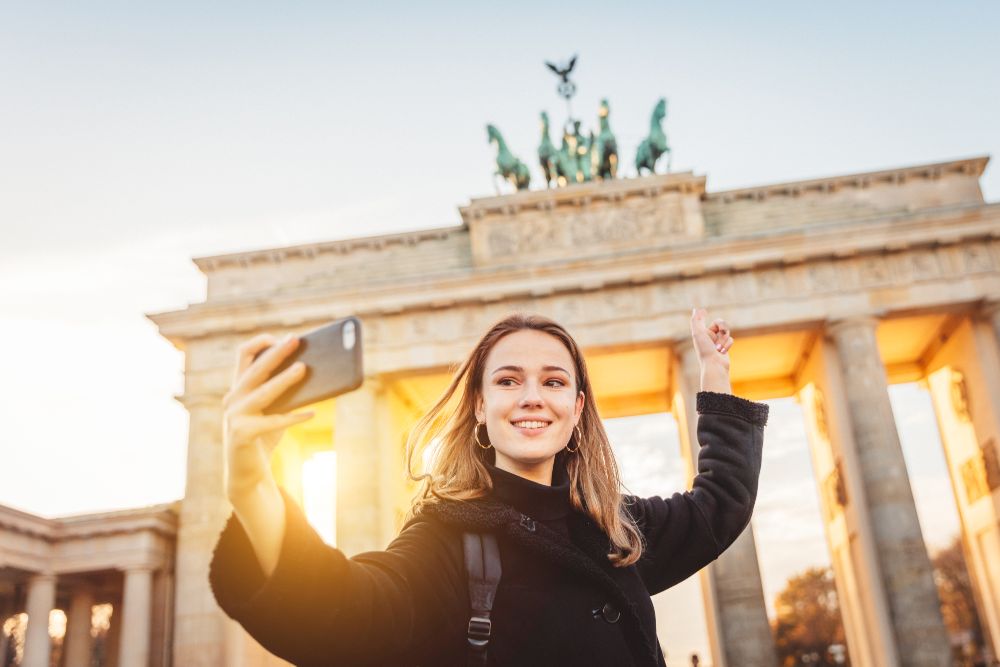
Brandenburg Gate remains Berlin’s most recognisable landmark and one of the most searched Berlin Instagram spots.
Arriving shortly after sunrise significantly reduces crowd density. Shooting slightly off-centre can also help avoid heavy foot traffic in your frame.
Night photography here is equally effective, as the monument is evenly lit. Long exposure shots can create smooth foreground movement if pedestrians are passing through.
Brandenburger Tor station is directly adjacent, making access straightforward from anywhere in the city.

The Sony Center’s glass canopy creates dramatic geometric framing. Standing in the centre of the plaza allows you to capture the radial structure of the roof.
Evening photography is particularly effective when the canopy lighting shifts colour. For symmetry, align your camera directly upward and use surrounding architectural lines as guides.
Because the area is a business district, weekends are often quieter than weekdays.
Potsdamer Platz station connects multiple S-Bahn and U-Bahn lines, making this one of the most convenient Berlin best photo spots to access.
The Fallen Leaves Memorial is one of the most visually arresting and emotionally significant spaces in Berlin. The concrete void cuts through the building with a narrow opening at the top, allowing a controlled strip of light to enter. Below, thousands of iron discs shaped like faces cover the floor.
The strength of this location lies in contrast. The hard concrete surfaces, limited light source and textured iron faces create a stark, minimal composition. Shooting from above emphasises repetition and density, while lower angles can highlight the way light filters downward.
Because of its meaning, photography here should remain respectful and understated. Avoid posed imagery and focus instead on architectural lines, texture and shadow.
The memorial is centrally located near Brandenburg Gate, making it easy to incorporate into a wider photography route.
Volkspark Friedrichshain provides a softer contrast to Berlin’s architectural landmarks. Spanning 49 hectares, it offers open lawns, wooded paths and elevated viewpoints that break up the density of the surrounding city.
The park works particularly well for seasonal photography. In spring and summer, greenery frames skyline glimpses. In autumn, foliage introduces warm tones that contrast with Berlin’s concrete and steel structures.
For elevated perspectives, head towards the small hill formations within the park. These allow you to frame tree lines against distant buildings. Early mornings are typically quieter, which is useful if you prefer uncluttered landscape compositions.
Located in the Friedrichshain district, the park is easily reached from Landsberger Allee and surrounding tram connections, making it a practical addition when exploring eastern Berlin.

Café am Neuen See sits within Tiergarten, beside a small lake surrounded by mature trees. The setting feels removed from the city’s busier streets, offering calmer compositions focused on water reflections and filtered natural light.
Afternoon light tends to work best here. The sun reflecting across the lake creates soft highlights, particularly when photographed at a slight angle rather than directly facing the water. Seating areas and wooden terraces provide structured foreground elements if you are composing wider shots.
Because this location is popular in warmer months, visiting earlier in the day will provide cleaner frames. The surrounding Tiergarten paths also allow for additional landscape compositions beyond the café itself.
The site is walkable from Tiergarten S-Bahn station and easily combined with Große Stern.
The Große Stern is the central roundabout within Tiergarten, best known for the Siegessäule rising above it. Climbing the Victory Column provides panoramic views across Berlin’s tree canopy and towards Brandenburg Gate.
From the viewing platform, the city’s radial road layout becomes particularly clear. On clear days, visibility extends across large sections of central Berlin, making this one of the strongest vantage points for wide city compositions.
Because access involves a narrow spiral staircase, visiting outside peak afternoon hours can make the experience smoother. Weather conditions are important here, overcast or hazy skies will reduce the clarity of distant details.
The Große Stern is centrally located and can be reached easily from Tiergarten or Brandenburger Tor connections.

Templiner Strasse offers a quieter, residential alternative to Berlin’s landmark-heavy locations. The street is characterised by colourful façades, smaller cafés and a more relaxed atmosphere.
Mid-morning lighting works well here, as the sun reaches building fronts without creating harsh shadow contrasts. Rather than wide dramatic compositions, this location suits closer architectural framing, focusing on windows, balconies and subtle colour variation.
Because the area sits between Mitte and Prenzlauer Berg, it can be incorporated naturally into a walking route between central districts. The surrounding streets provide additional backdrops if you are exploring for less crowded Berlin Instagram spots.
Templiner Strasse is best approached on foot to allow flexibility in framing and positioning.
Berlinische Galerie presents a clean, contemporary contrast to Berlin’s historic architecture. The interior’s white staircases and open exhibition spaces provide strong geometric lines.
The floating staircase is particularly effective for architectural compositions. Positioning yourself at the base of the steps and shooting upward creates balanced symmetry, while side angles introduce diagonal movement.
Natural light entering from upper windows softens the space, making overcast days especially suitable for even exposure. Temporary exhibitions also introduce colour variation against the neutral background.
Located in Kreuzberg, the gallery is easily accessible and pairs well with nearby street photography locations if you are building a varied photo route.
Königliche Gartenakademie combines structured garden design with café culture. The courtyard setting is filled with plants, seasonal flowers and carefully arranged seating.
Morning and late afternoon light produce the most balanced results, as midday sun can create harsher contrasts between shaded and exposed areas. Framing through greenery or using floral arrangements as foreground elements adds depth to your composition.
Because the space is relatively compact, moving slowly around the courtyard helps identify stronger angles rather than shooting from the entrance alone.
Located in Charlottenburg, it can be combined with a visit to Charlottenburg Palace for a cohesive western Berlin photography route.
Prinzessinnengärten is an urban gardening project in Kreuzberg that introduces raw textures and community-led design into Berlin’s visual landscape.
Wooden planters, recycled materials and open seating areas provide layered compositions that feel informal and authentic. Unlike manicured gardens, the strength here lies in contrast and imperfection.
Overcast conditions often work well, as they reduce harsh shadows and allow natural colours to remain balanced. Close-up detail shots of plants and textured surfaces can be more effective than wide framing.
Because the garden operates as a community space, visit during quieter periods if you prefer less movement within your frame.
Sol LeWitt’s Mural introduces bold geometric colour blocks into Berlin’s predominantly neutral architectural setting. The mural’s scale allows it to dominate the frame, particularly when shot straight-on.
Wide framing emphasises the colour contrast, while incorporating surrounding buildings can create contextual balance. Because the location is relatively exposed, mid-morning or late afternoon light prevents oversaturation caused by direct overhead sun.
Its proximity to Brandenburg Gate and surrounding embassies makes it easy to include within a central walking route.
For those looking to add vibrant colour to a series of Berlin best photo spots, this location provides strong visual variation.

Albert Gessner Das Grüne Haus stands out for its distinctive green façade and architectural detailing. Compared to Berlin’s grand landmarks, this location offers a more intimate, focused composition.
The colour contrast against neighbouring buildings makes it effective for vertical framing. Shooting slightly from the side introduces depth and avoids a flat perspective.
Because this area is quieter than central squares, it allows for slower, more controlled photography. Nearby art galleries and altbau buildings provide additional architectural backdrops if you extend your walk through the district.
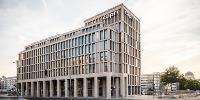
Capri by Fraser Berlin is located on Museum Island in Berlin Mitte, placing many of the city’s most photographed locations within easy reach. Berlin Cathedral, Hackescher Markt and the River Spree are all nearby, while Spittelmarkt Station is a short walk away for access across the city.
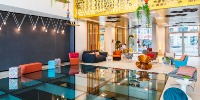
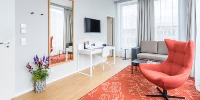
The property offers studio and one-bedroom apartment-style accommodation suited to both shorter visits and longer stays. Layouts are designed for flexibility, with defined sleeping areas, comfortable living space and kitchenettes for light meal preparation.
For guests combining work and city exploration, in-room workspace and reliable connectivity support productive days without needing to leave the apartment. On-site laundry facilities, a fitness room and 24-hour reception add convenience throughout longer stays.
Whether you are in Berlin for a creative city break, a work trip or an extended stay, Capri by Fraser Berlin offers a well-connected base with the added flexibility of apartment-style living.

For first-time visitors, central Berlin offers the strongest concentration of recognisable photo locations. Brandenburg Gate, Museum Island and the area around Potsdamer Platz provide iconic architectural backdrops within walking distance of one another.
If you prefer variety in a single route, combine classical landmarks with contemporary locations such as the Sony Center or nearby street art in Mitte. This approach allows you to capture different visual styles without travelling across the entire city.
Yes. While Berlin’s landmarks attract high footfall, neighbourhood streets and smaller cultural spaces often provide quieter alternatives.
Areas around Hackescher Markt, Kreuzberg and Prenzlauer Berg contain street art, residential façades and courtyard spaces that feel less staged than major monuments. Visiting early in the morning also helps reduce crowd density in popular areas.
Lighting conditions vary significantly across the city. Early morning generally offers the cleanest compositions and softer shadows, particularly at Brandenburg Gate and Museum Island. Late afternoon and early evening work well for open spaces such as Tempelhof Field or Tiergarten, where the sky becomes part of the composition.
Interior spaces and street art locations can be photographed throughout the day, although mid-morning often provides balanced natural light without harsh overhead contrast.
Yes, particularly in central districts. Many of Berlin’s most photographed locations sit within walking distance of one another. Museum Island, Hackescher Markt, Brandenburg Gate and the Fallen Leaves Memorial can all be covered in a structured route.
For locations in western Berlin, such as Charlottenburg Palace and Kurfürstendamm, public transport connections are straightforward and reliable, making it possible to combine districts efficiently.
Yes. In fact, certain locations become more visually striking in colder months. Clear winter skies create crisp architectural detail at Brandenburg Gate and Gendarmenmarkt. If snow is present, Charlottenburg Palace and Tiergarten offer cleaner, minimalist compositions.
Shorter daylight hours mean planning is important, but the reduced tourist density during winter often results in less crowded frames.