
17 March 2026
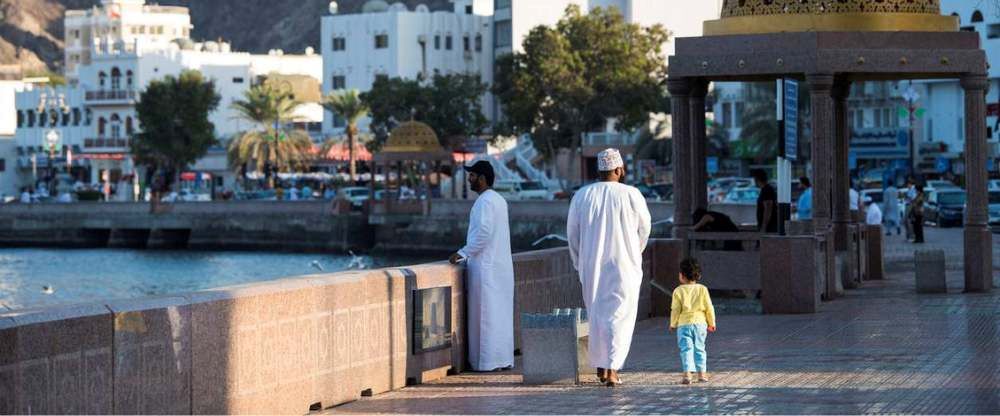
Muscat does not announce its food culture loudly. The city's culinary identity reveals itself gradually, in a paper cone of mishkak passed through a car window, in the particular sweetness of halwa offered alongside kahwa before any conversation begins, in the warm flatbread emerging from a griddle at the back of a souk stall while frankincense smoke drifts through the alleyway. Food here is inseparable from hospitality, and hospitality is inseparable from Omani life.
Fraser Suites Muscat is well positioned to explore all of it, from the oldest souq in Oman to guided evening food tours and the fresh-catch energy of the Muttrah fish market.
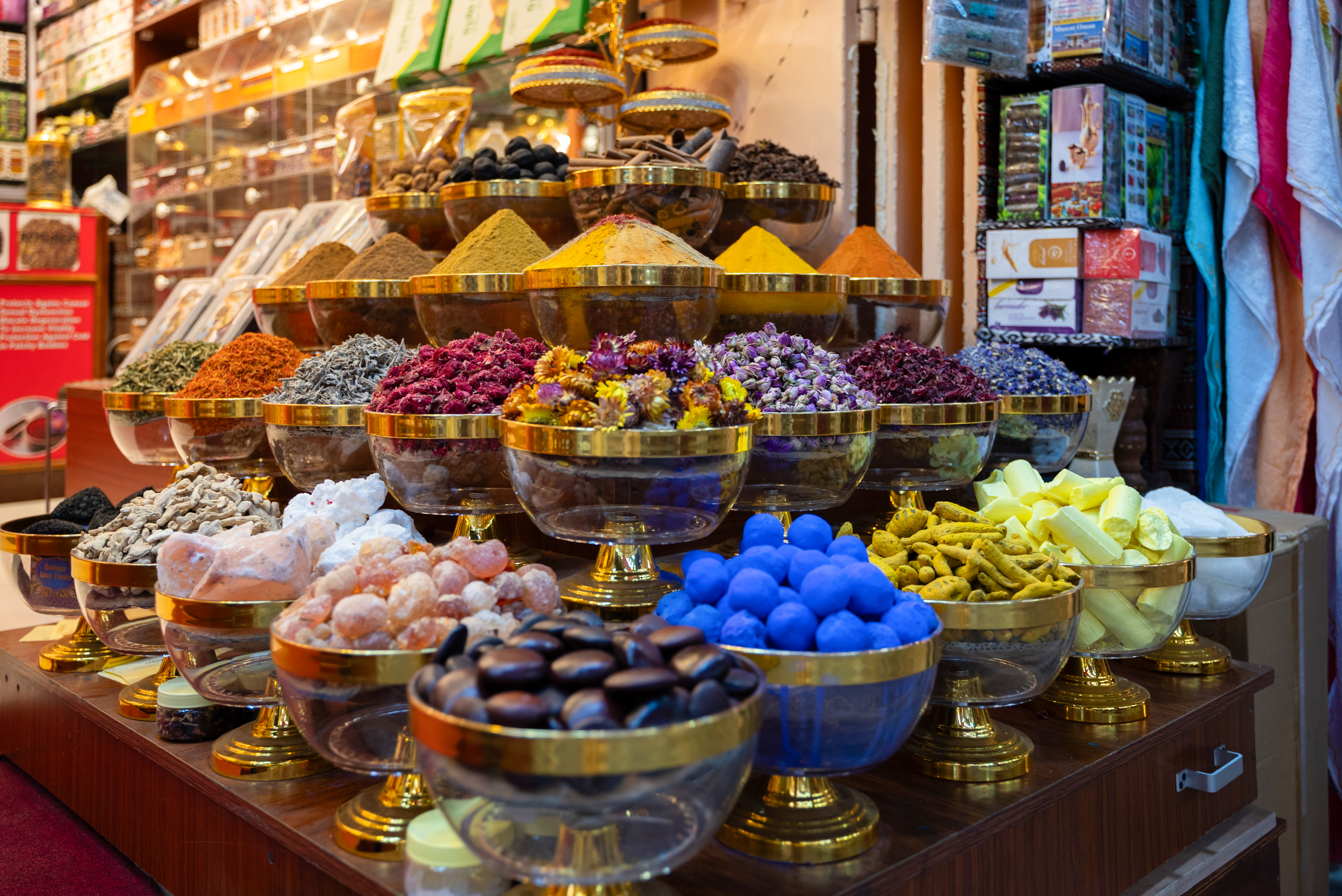
The Muttrah Souq is one of the oldest markets in the Arab world, and for visitors to Muscat it remains the single most concentrated encounter with the city's food and spice culture. The market runs along the Muttrah Corniche behind a facade of wooden-roofed alleyways, where the narrowing of the lanes and the height of the stalls produce the perpetual shade that gives the souq its Omani nickname: Souk Al Dhalam, or the Market of Darkness.The spice section rewards the slowest kind of walking. Stalls accumulate saffron, dried black lime, cardamom, cinnamon, and turmeric in steep coloured mounds alongside bags of frankincense resin in grades from pale yellow to deep amber. The smell changes every few steps, shifting between the smoky sweetness of incense and the sharper, citric edge of dried loomi, the black lime that defines much of Omani cooking. This is the sensory starting point for understanding what makes the cuisine here distinctive: a spice palette built over centuries of trade, applied with patience and restraint.
The souq's food offering reflects the same trading history that shaped its spice stalls. Vendors sell samosas, pakoras, and kachori alongside Omani street classics, a legacy of the historical Indian and East African connections that Muscat maintained across centuries of maritime commerce. Shawarma stands operate from the edges of the market, with the familiar combination of beef, cabbage, tahini, and hot sauce served quickly and cheaply. Rose milk, cold and frothy, is sold by traditional coffee shops inside the souq for a few hundred baisa a glass.
Halwa, Oman's most beloved sweet, appears throughout the market in dedicated shops where the dense, fragrant confection is sold by weight. Made from sugar, rosewater, ghee, saffron, cardamom, and a blend of closely guarded spices, it has a jelly-like texture unlike any other regional sweet and is traditionally offered alongside kahwa, Omani coffee lightly roasted and flavoured with cardamom, whenever a guest arrives. Buying a small box from a halwa shop in the souq is one of the more rewarding food souvenirs Muscat offers.
The souq operates in two sessions daily, opening from around 9am to 1pm and reopening from 4pm to 9pm. Evenings are the more atmospheric time to visit, when the temperature drops, the alleyways fill, and the food stalls operate at their liveliest. Cash is advisable for smaller purchases.
About Us:
Muscat, with its stunning coastline along the Gulf of Oman, is a hub for water activities. Whether you’re into diving, kayaking, or exploring its rich marine life, Muscat offers adventures for everyone. The city is a prime spot for showcasing the beauty of Daymaniyat Islands and its vibrant coral reefs.
For travellers keen on these water pursuits, Fraser Suites Muscat is a premium choice. The spacious accommodations, coupled with excellent pool facilities, make it ideal for relaxation. Its proximity to beaches and tour operators ensures you're never far from a thrilling marine adventure.
Key Features:
Location: Close to beach and tour operator
Accommodation: Spacious rooms and modern amenities
Facilities: Pool, fitness centre, and dining option
Concierge Service: Arranges diving, snorkelling, and kayaking trips
The concierge service at Fraser Suites can effortlessly arrange local excursions, including diving trips to the renowned Fahal Island or kayaking in Bandar Khayran’s calm waters. It's an ideal stay for those eager to explore Muscat's marine wonders.
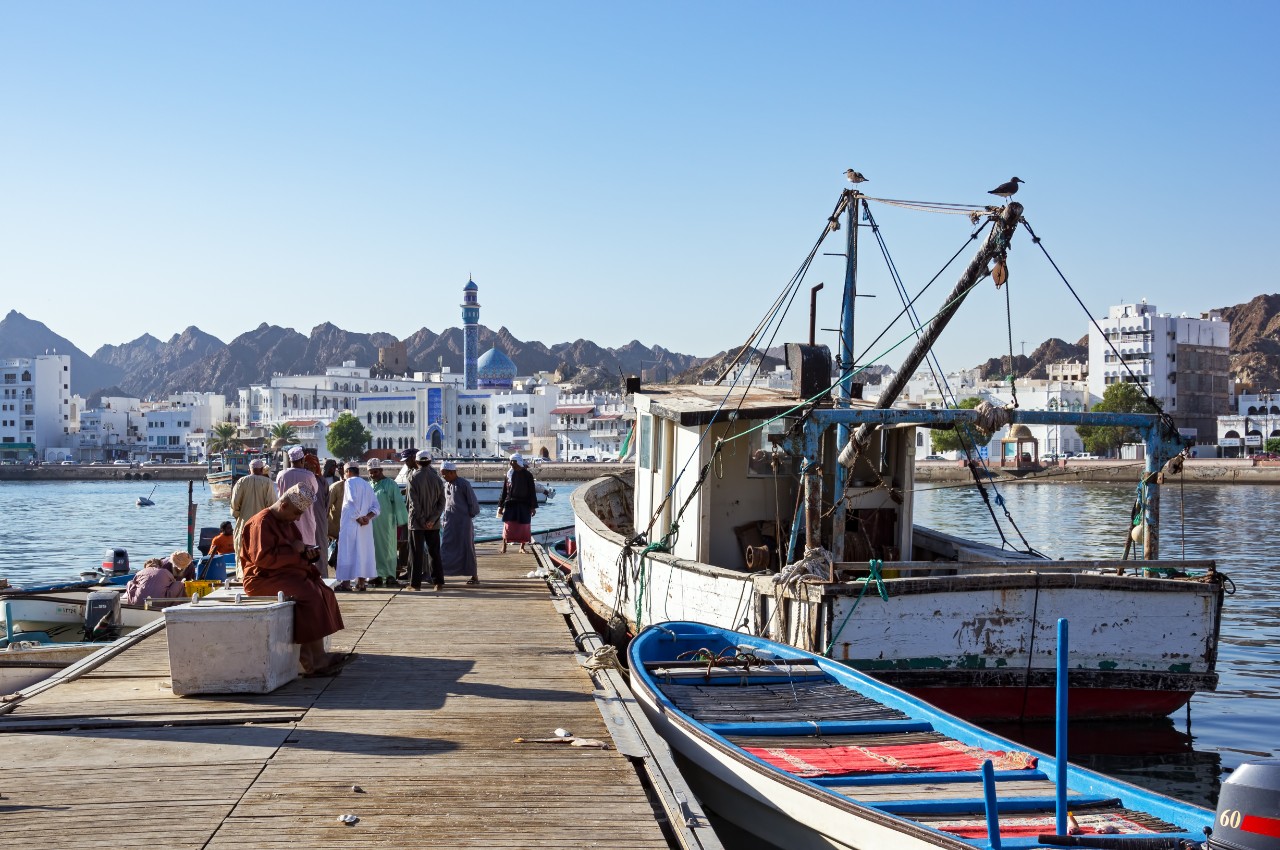
A short walk along the Muttrah Corniche from the souq brings you to a very different kind of market. The Muttrah fish market operates in the early hours of the morning, when the overnight catch arrives from boats in the Gulf of Oman and the surrounding waters. For visitors prepared to be there by 7am or earlier, the experience is one of the most vivid in the city: tuna, kingfish, hammour, squid, and shrimp laid out across marble slabs in quantities that speak to Muscat's working relationship with the sea.
Bait Al Luban, a short walk from the market, is among the most consistently recommended in the city for traditional Omani cuisine; the full breadth of where to eat is covered in the guide to Muscat restaurants.
Understanding the key dishes gives the street food experience considerably more depth. Omani cuisine rewards context and knowing what you are tasting and why makes the flavours more legible.
Mishkak is the most ubiquitous street food in Muscat, and the simplest entry point into the local flavour palette. Cubes of marinated meat, typically beef, chicken, or lamb, are threaded onto skewers and grilled over charcoal until the outside catches while the interior stays tender. The spicing is straightforward: cumin, Arabic baharat, and a tamarind-adjacent sauce that adds a mild, fermented sharpness. Mishkak vendors operate from roadside stalls and food trucks in the evenings, often clustered around busy junctions and residential neighbourhoods. A portion costs roughly one Omani rial and is typically eaten standing, with bread on the side.
Shuwa is Oman's national dish and the one that speaks most directly to the country's food culture. Lamb or goat is marinated in a blend of Omani spices, wrapped in banana or palm leaves, and slow-cooked underground in a sand oven for anywhere between eight hours and two full days, depending on the occasion. The result is meat of extraordinary tenderness with a smoky, spiced depth that is unlike anything produced by faster methods. Shuwa is traditionally prepared for Eid and weddings, which means it requires advance planning to find in restaurants, where it is available on specific days and often by prior reservation. In Muscat, Bait Al Luban in Muttrah is among the most reliable places to try it.
Majboos, also known as kabsa, is the everyday rice dish that anchors Omani home cooking. Basmati rice is cooked in a spiced broth with saffron, dried lime, cardamom, and cinnamon, then topped with stewed chicken, lamb, or fish. The loomi, dried black lime, gives the dish its characteristic slightly sour note that distinguishes Omani majboos from its Gulf neighbours. It is served in family restaurants throughout the city, from the working lunch spots of Ruwi to the more polished rooms near Shatti Al Qurum, and provides the most accessible introduction to the depth of Omani rice cooking.
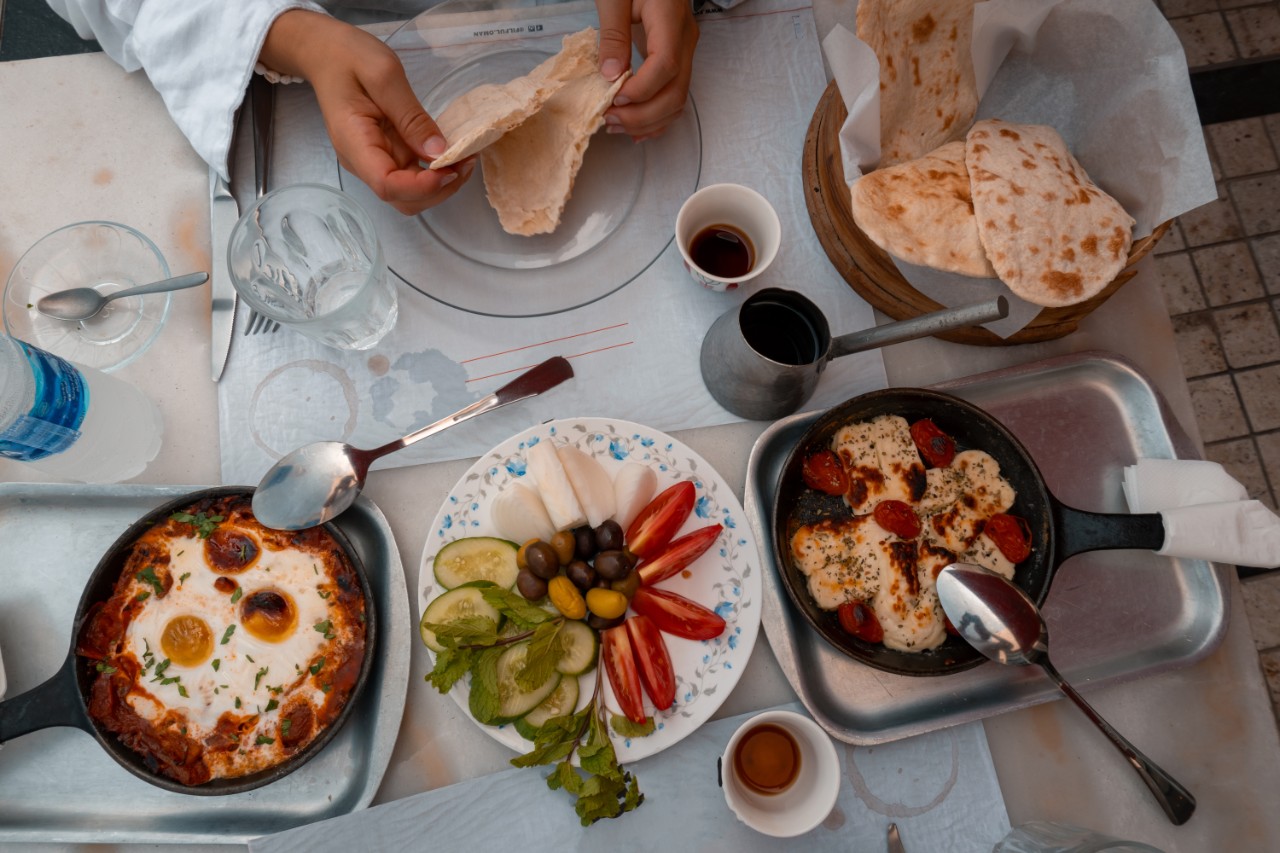
The simplest and most widely consumed street foods in Muscat operate as a pairing. Rukhal bread is thin, paper-like flatbread baked on a domed metal griddle called a saj, typically filled with combinations of cheese, honey, eggs, or date juice. Paired with karak, the milky, spiced tea made with black tea, evaporated milk, cardamom, saffron, and cinnamon, it constitutes the default morning meal for much of the city. Karak is ordered from drive-through windows and small booths with the ease that coffee is ordered anywhere else, and drinking it in a car park outside a lit mosque at night is, according to regular visitors, one of the more unexpectedly atmospheric Muscat experiences.
For first-time visitors or those wanting a structured introduction to the city's food culture, a guided Muscat food tour offers the most efficient route into the full breadth of what the city serves. Several operators run evening culinary tours that combine multiple stops across different parts of the city, covering dishes and settings that a solo exploration might miss.
The most highly rated tours combine an introduction to Omani shuwa with mishkak from a street vendor, Omani bread from a traditional stall, karak tea from a drive-through window, and a final stop at a halwa shop. The format moves between restaurant stops, street stalls, and the kind of casual local venues where the ambience is as instructive as the food itself. Operators on GetYourGuide and Tripadvisor run group and private departures with English-speaking guides, typically in the evenings when the city is cooler and the food culture more active.
A morning at the fish market, lunch at Bait Al Luban, and an evening in the souq covers the arc of Muscat's food culture in a single day and fits naturally within a broader exploration of the wider city for those building a longer itinerary.
Ruwi is Muscat's commercial and South Asian quarter, and for visitors interested in the influence of Indian and Pakistani cooking on the city's food culture, it is the most rewarding neighbourhood to explore on foot. The area's food stalls and small restaurants serve excellent biryanis, kebabs, and curries at prices considerably lower than the tourist-facing restaurants elsewhere in the city. The South Asian culinary influence in Muscat is not incidental; it reflects centuries of trade between Oman and the Indian subcontinent, and the food here carries that history in its spicing and technique.
Al Khuwair and the newer districts of Muscat have developed a food truck and street food culture that sits comfortably with a contemporary appetite. International fusion, Arabic breakfast plates, and creative small-plate cooking operate alongside traditional Omani staples in a neighbourhood that feels less like a historical market and more like a city working out its current identity. For travellers who want both the ancient and the present in a single day of eating, Muttrah in the morning and Al Khuwair in the evening covers the arc well. Al Khuwair is also home to Fraser Suites Muscat, which means returning to the property at the end of an evening in the neighbourhood requires no journey at all.
Seeb market, north of Muscat International Airport, has a dedicated seafood section that operates best in the morning hours, alongside general produce, fresh fruit, and the daily grocery trade of a large residential area. It is less visited by tourists than Muttrah but arguably more representative of how Muscat actually shops. For guests staying at Fraser Suites with full kitchen facilities, a morning at Seeb with a basket of fresh fish, dates, and local produce provides the ingredients for an afternoon of cooking that most hotel stays cannot offer.
Fraser Suites Muscat sits within convenient reach of the city's key food destinations. The Muttrah Corniche, its souq, and the fish market are accessible in under twenty minutes by car, as are the traditional restaurant district around Muttrah and the newer dining areas of Shatti Al Qurum.
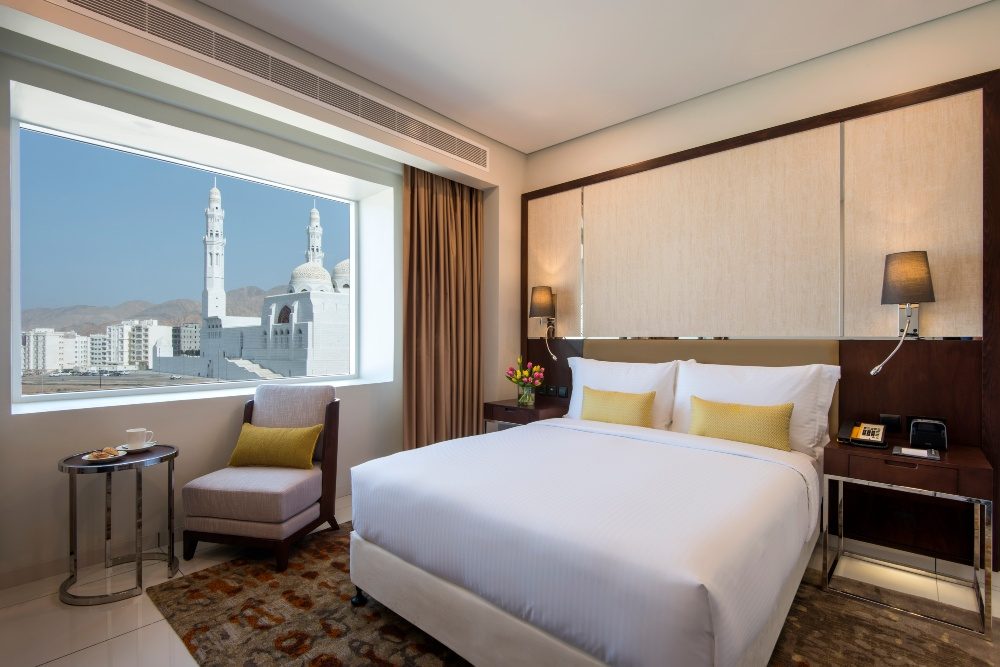
Accommodation at Fraser Suites Muscat ranges from studio deluxe suites to three-bedroom arrangements, all fully furnished with separate living and dining areas, complete kitchens, and laundry facilities. The kitchen facilities are particularly relevant for guests who want to engage with Muscat's food culture beyond restaurants: a morning at the fish market or Seeb, followed by an afternoon of cooking with fresh local ingredients, is the kind of experience the property is well set up for. On-site facilities include a rooftop pool, Senza Spa, gym, and the Hamra Restaurant and Sheesha Lounge with its views across the city. For corporate travellers planning a stay around meetings, the property's meeting and events facilities are available alongside all residential amenities.
For guests planning longer visits, extended stay options are available with rates and arrangements designed around residency rather than short-break travel. View current offers to plan your stay, and speak to the 24-hour concierge team for restaurant bookings, food tour arrangements, and any recommendations across the city.
Mishkak, marinated meat skewers grilled over charcoal, is the most widely available street food in Muscat and a natural starting point. Rukhal bread with cheese or honey paired with karak tea is the standard Omani street breakfast. Halwa, the traditional Omani sweet made from rosewater, saffron, ghee, and spices, is found in dedicated halwa shops throughout the city and throughout Muttrah Souq.
Muttrah Souq is the most significant food market in Muscat for visitors, combining a historic spice section with street food vendors, halwa shops, and the atmosphere of one of the oldest markets in the Arab world. The Muttrah fish market on the Corniche is the best destination for fresh seafood and operates in the early morning hours. Seeb market, north of the airport, is worth visiting for a more local, residential market experience.
Yes. Several operators run evening food tours in Muscat, typically lasting two to four hours and covering multiple stops including shuwa, mishkak, Omani bread, karak tea, and halwa. Tours are available for groups and private bookings with English-speaking guides, and can be booked through platforms including GetYourGuide and Tripadvisor. The concierge team at Fraser Suites Muscat can assist with recommendations and bookings.
Shuwa, slow-cooked marinated lamb or goat from an underground sand oven, is Oman's most celebrated dish and available by reservation at traditional restaurants in Muttrah. Majboos is the most widely served rice dish, flavoured with saffron, black lime, and spices. Mashuai, grilled kingfish with lemon rice, reflects Muscat's coastal identity. For sweets, halwa and dates with kahwa coffee provide the most direct experience of Omani hospitality culture.
The souq operates in two sessions: roughly 9am to 1pm and 4pm to 9pm. Evening visits are generally the more atmospheric, with lower temperatures, more active food stalls, and the full energy of the market at its busiest. The fish market adjacent to the Corniche operates in the early morning and is best visited before 8am.
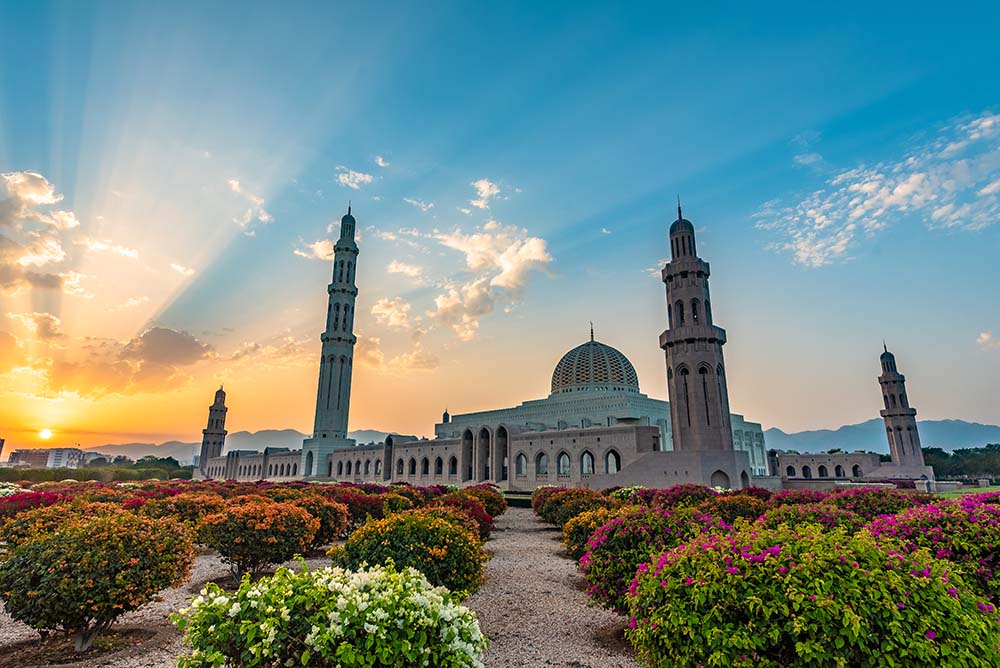
Muscat rewards exploration well beyond its souqs and restaurants. The city's cultural landmarks span the Royal Opera House, the Grand Mosque, and Old Muscat's historic forts and palaces. Water activities including snorkelling, dolphin watching, and boat trips along the Batinah coast are easily arranged from the city. For families, the city's shopping malls offer a useful indoor option when the midday heat makes outdoor exploration less comfortable.
Fraser Suites Muscat is located in the Al Khuwair district, approximately fifteen to twenty minutes from the Muttrah Corniche by car. The property's 24-hour concierge can arrange transport and provide current recommendations for restaurants and food tours throughout the city.


Contact Us
Landmark Building, 23 July Street, PO Box 410, P.C 133, Al Khuwair, Muscat, Sultanate of Oman