
17 July 2026
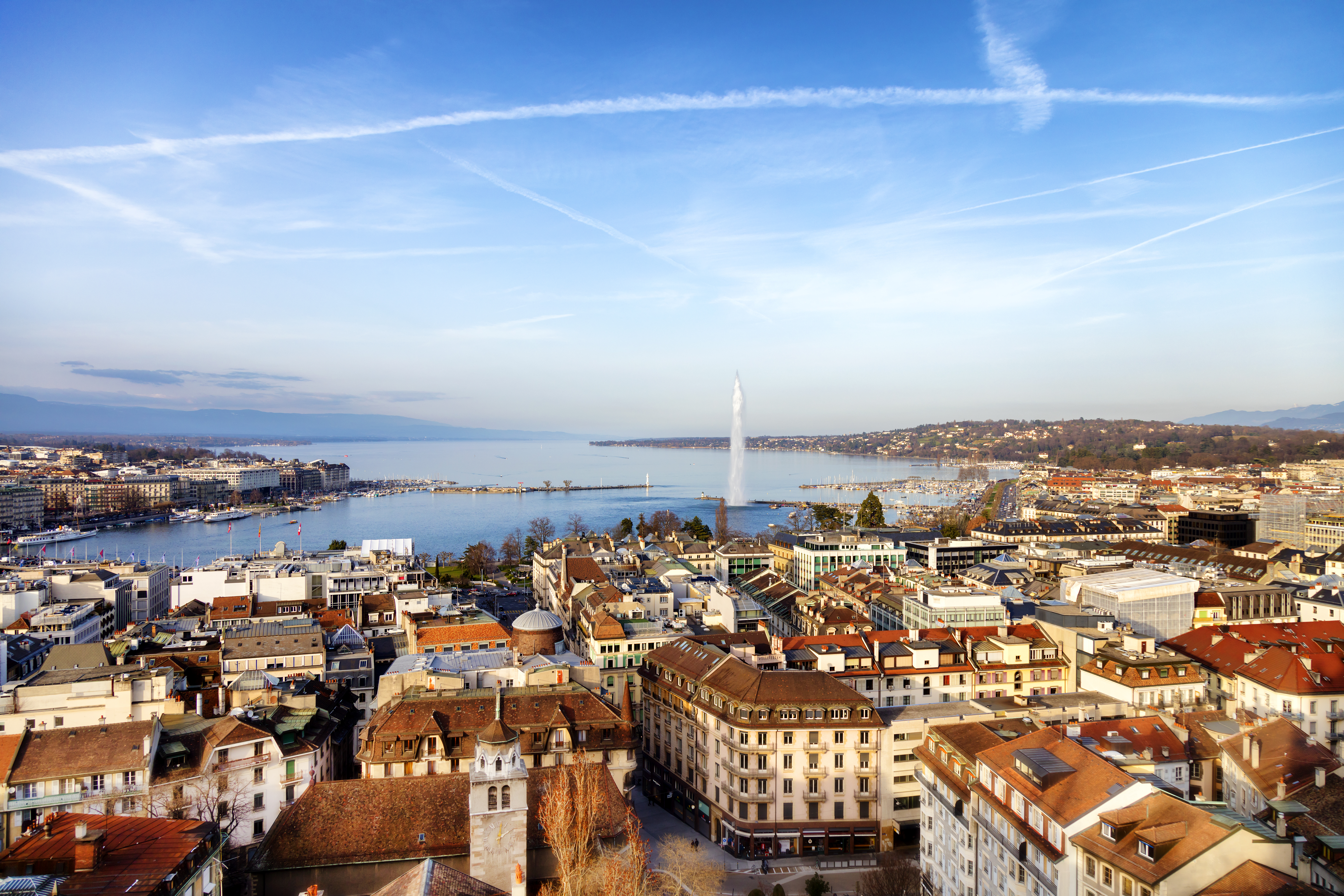
Geneva is a city that quietly does two jobs at once. By day it hosts the diplomats and delegates who fill the UN and WHO buildings along the lake, and by evening the same streets settle into something calmer: the scrape of chairs outside a café on Rue du Rhône, the last rowers pulling in as the Jet d'Eau catches the light. It's this mix of seriousness and ease that also makes Geneva one of Europe's most established destinations for medical treatment and wellness travel, drawing patients and their families from across the world for everything from specialist surgery to a considered reset.
For anyone arranging a stay built around treatment, check-ups or simply slowing down, the accommodation matters more than it would on an ordinary trip. Fraser Suites Geneva offers exactly this kind of base: a central, apartment-style stay close to the city's clinics, with room to recover properly, cook your own food when hospital catering isn't appealing, and host a relative who's come along for support. This guide walks through what to consider before you book, and why Geneva rewards a little extra planning.
Geneva didn't become a medical destination by accident. It sits at the crossroads of Swiss precision, a genuinely international population, and a concentration of private clinics that would be unusual for a city of its size. Understanding why patients choose it, and what the system involves, makes the rest of the planning far easier.
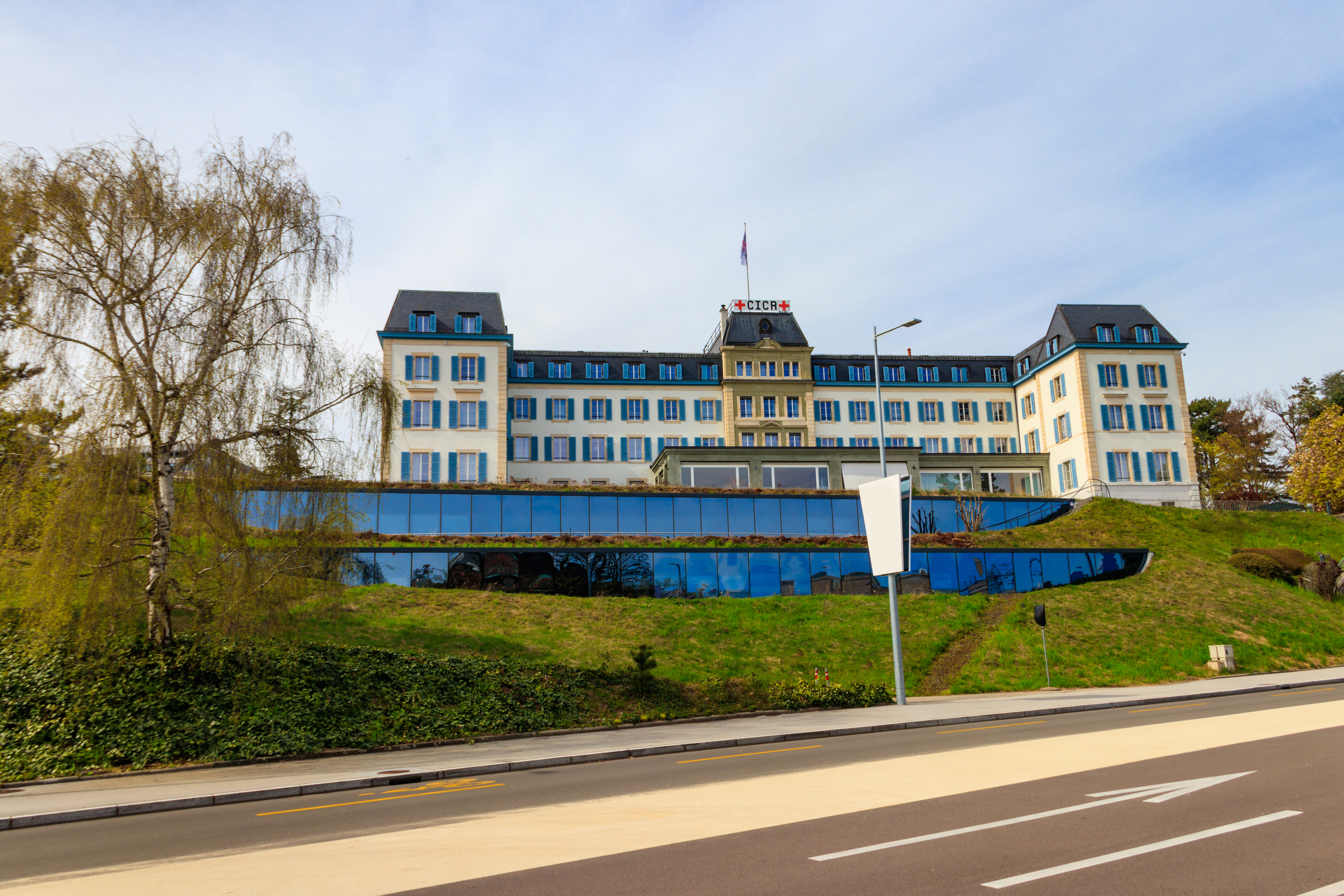
Home to the World Health Organization and the International Committee of the Red Cross, both founded around humanitarian and health work rather than tourism or trade, Geneva has an unusually deep bench of medical expertise for a city of around 200,000 people. That international presence has, over decades, pulled specialists, researchers and private clinics into the city, so the healthcare on offer here is shaped as much by global standards as by Swiss ones.
It's worth being clear-eyed about one thing early: Switzerland's healthcare system is not free. Residents are legally required to hold private, federally regulated insurance, and the country's reputation for quality comes with correspondingly high costs. If you're travelling to Geneva specifically for treatment rather than relocating, you won't usually need to enrol in the Swiss system at all. Instead, most international patients arrange payment directly with the clinic, or via their home country's insurer or a dedicated international medical insurance policy. It's a conversation worth having with your clinic's international patient office before you travel, since payment arrangements vary by treatment and by provider.
Private clinics such as Hirslanden Clinique La Colline, in the centre of the city, run dedicated international patient services alongside their surgical and diagnostic units, reflecting just how established the foreign-patient pathway already is here. Many operate check-up programmes designed specifically for visitors who want a thorough assessment condensed into a short stay, alongside more involved surgical or specialist care.
Once you know why Geneva works for medical travel, the next question is logistical: how do you structure the trip so it isn't stressful on top of everything else.
Medical stays rarely run to a fixed itinerary. Consultations get moved, results take longer than expected, and recovery from some procedures needs several quiet days before travel home is sensible. Building in flexibility, both in your accommodation booking and your return flight, tends to matter more than shaving a day off the trip.
Few people want to go through treatment entirely alone, and Geneva's private clinics are used to visiting family members as much as patients. Choosing accommodation with a genuine second sleeping area, rather than a single hotel room, makes a meaningful difference to whoever is there supporting you.
Geneva is compact enough that most of its private clinics sit within a short taxi or tram ride of the city centre, but on days when you're not feeling your best, minutes matter. A central base near Cornavin station or the Rue du Marché area keeps you close to trams, taxis and the main clinics alike.
A hotel room is built for a night or two of sleep between activities. Recovery asks for something different.
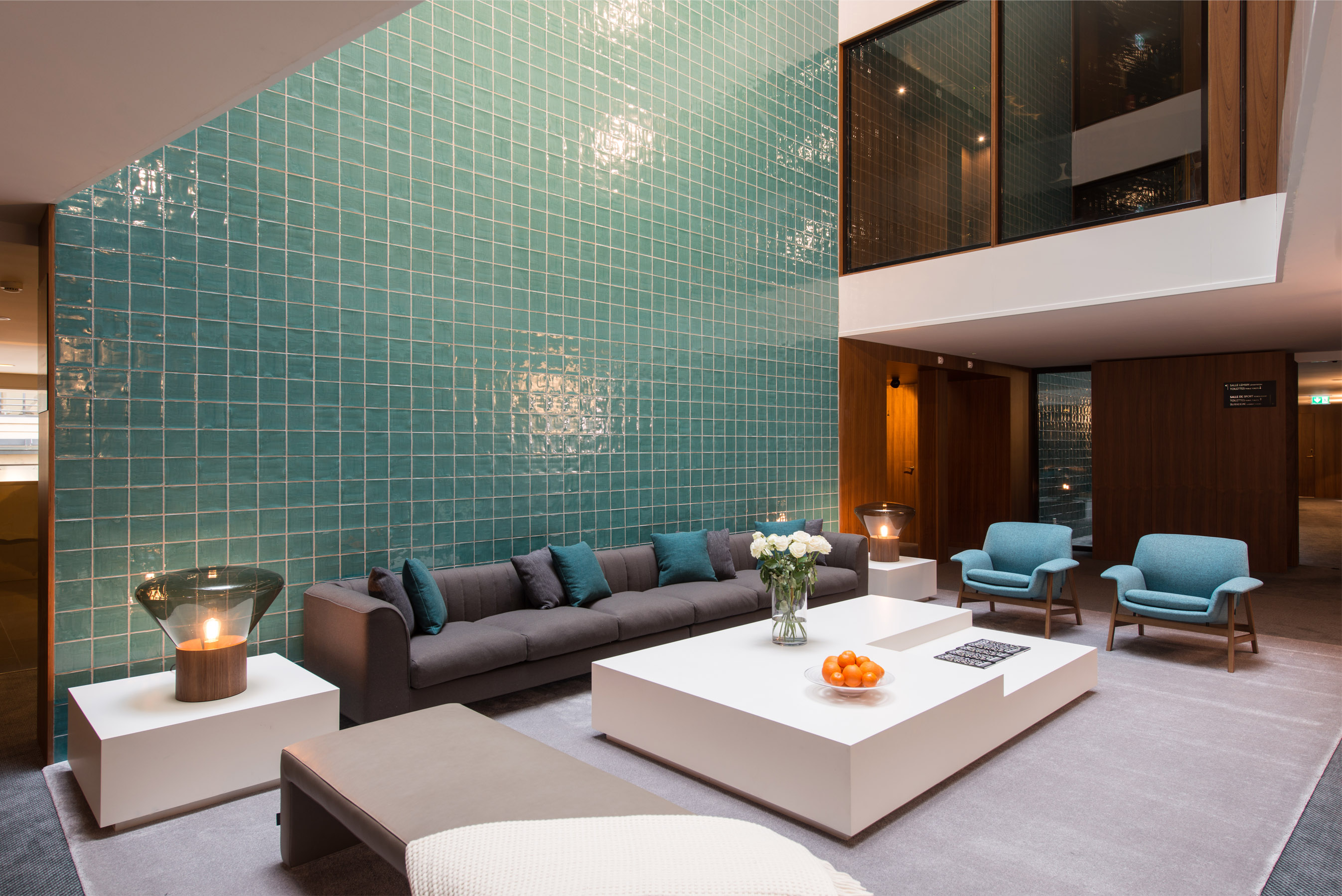
Hospital food, however well intentioned, isn't always what you feel like eating during recovery. Having your own kitchen means you can prepare simple, familiar meals on your own schedule, and a proper living area gives you somewhere to rest that doesn't feel like a hospital bed or a cramped hotel room. Daily housekeeping still takes care of the practical side, without anyone needing to be present for it.
Medical stays have a habit of running longer than planned. Serviced apartments are generally set up for exactly this, with rates and terms designed around extended stays rather than penalising you for changing your departure date.
Not everyone travelling to Geneva for health reasons is undergoing surgery. Plenty come simply to slow down, have a thorough check-up, or take a wellness-focused break in a city built for walking and lake air. It's worth being honest here: a spa treatment isn't a substitute for medical care, and Geneva's wellness scene sits alongside its clinics rather than inside them. But the two can complement each other well.
The Bains des Pâquis, right on the lakefront, has offered saunas, a hammam and Turkish baths to Genevans since the nineteenth century, and remains a genuinely local spot for quiet relaxation rather than a tourist add-on. For something gentler and closer to the centre, several hotel and day spas across the city offer massage and hydrotherapy aimed squarely at rest and recovery rather than aesthetics.
The lakeside path through Parc des Eaux-Vives and the neighbouring Parc La Grange offers flat, shaded walking with views back across the water, ideal for anyone easing back into gentle exercise after treatment. It's an easy tram ride from the centre and rarely crowded outside summer weekends.
Fraser Suites Geneva is centrally located close to Cornavin train station, which serves as the departure point for trains to Montreux, Nyon, and the broader Swiss rail network connecting to Chamonix. Bus connections for Salève and the Jura peaks leave from the city centre within walking distance of the property.
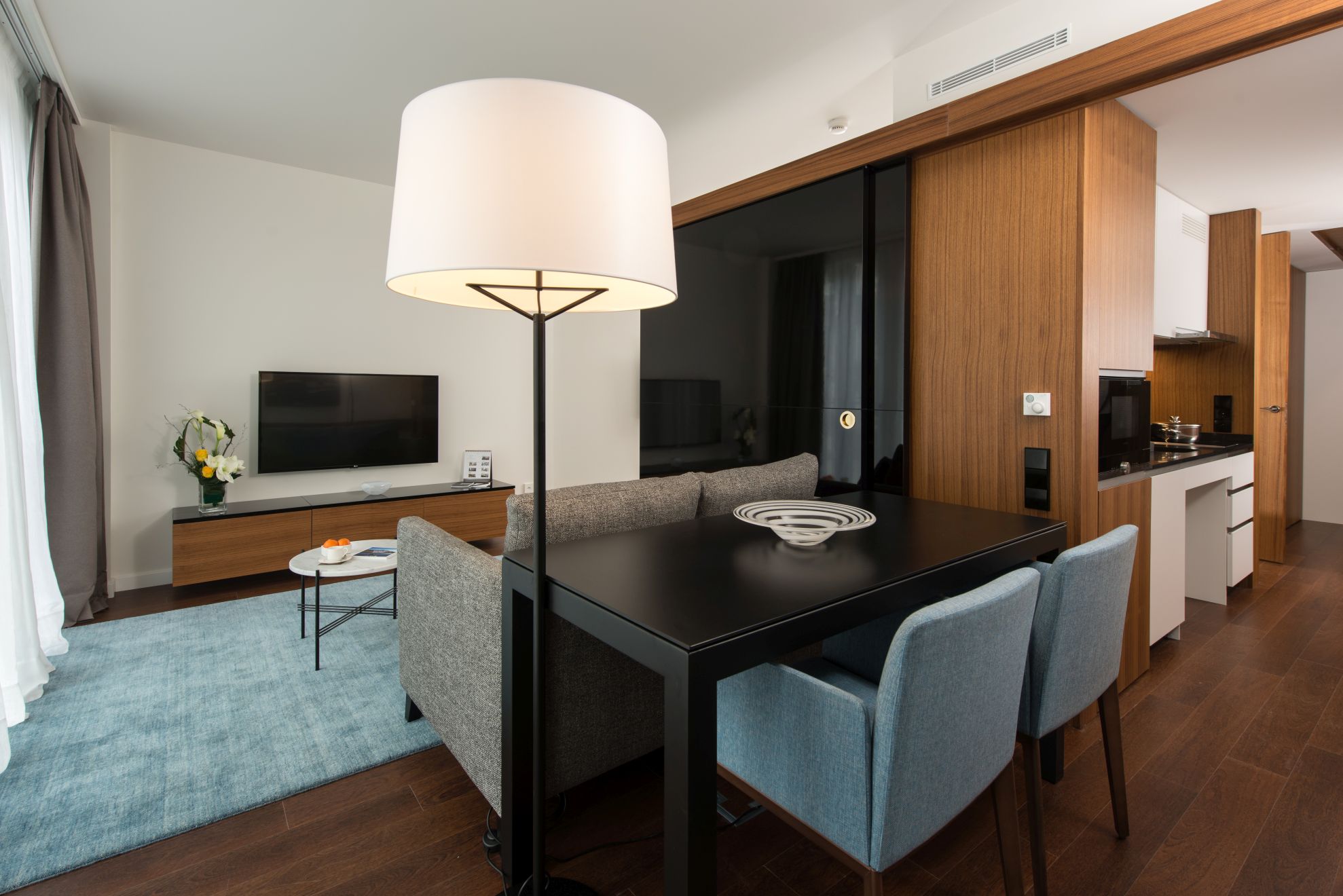
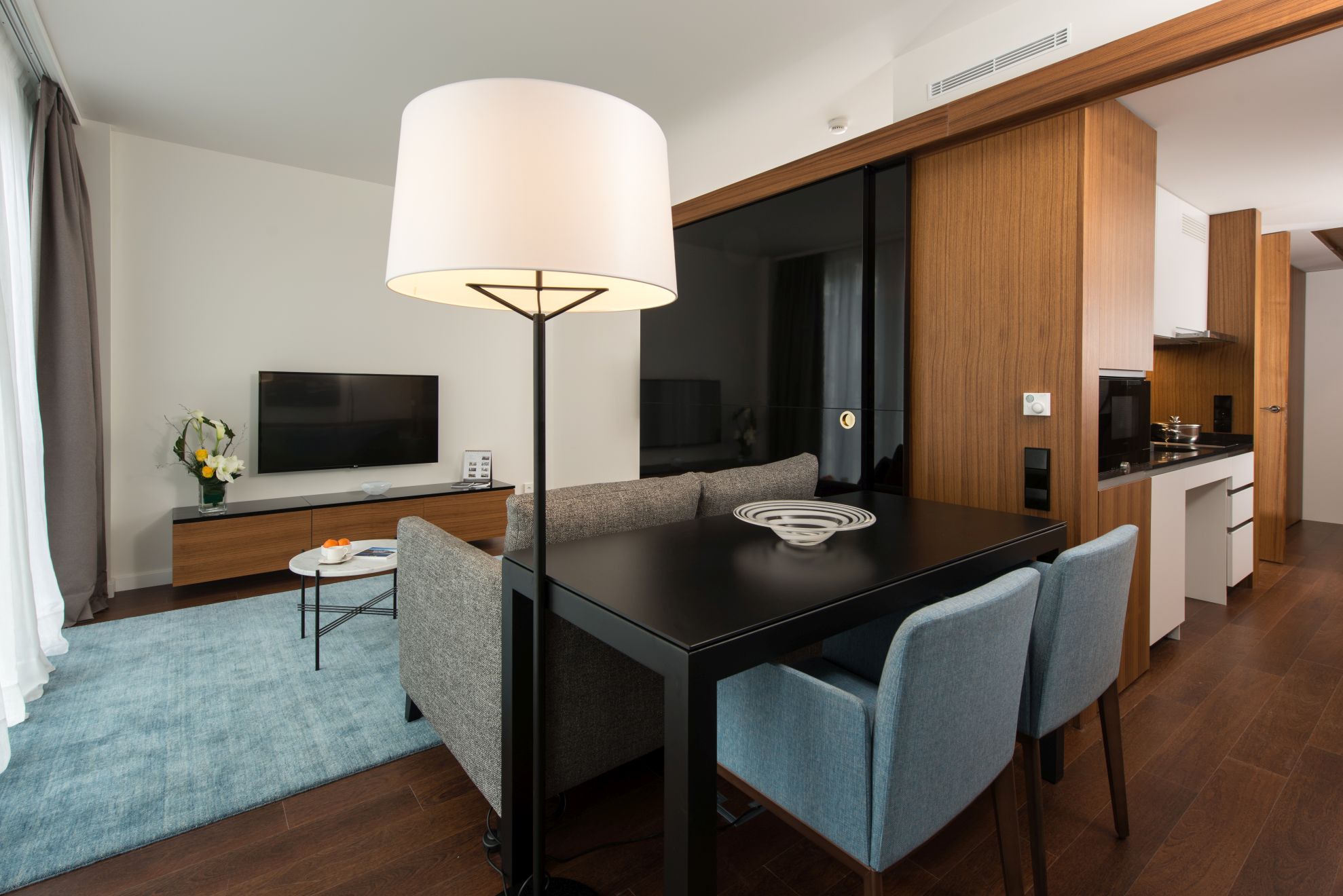
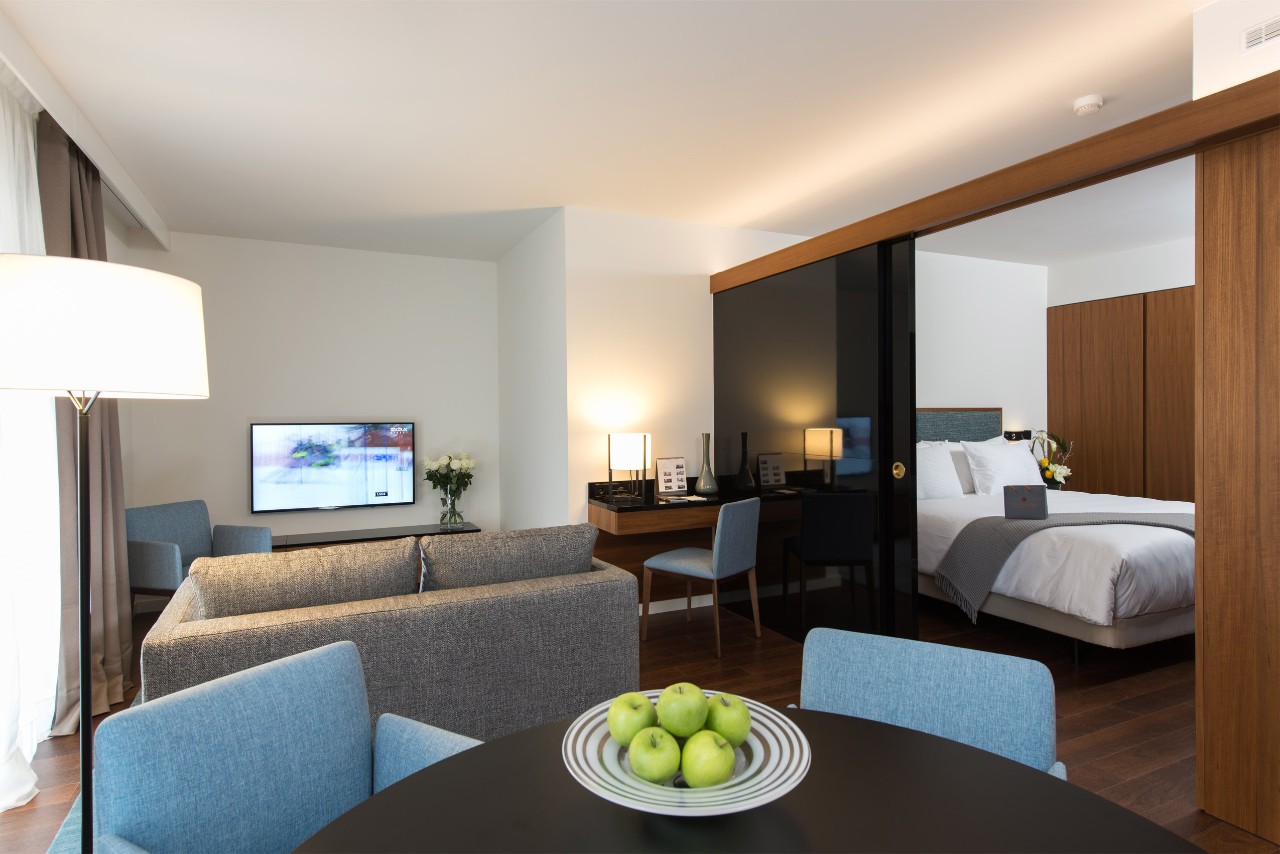
Fraser Suites Geneva sits in the heart of the city on Rue du Marché, in a building that once served as the headquarters of Rolex, a detail that hints at the calibre of the neighbourhood without shouting about it. The 67 Gold Standard suites range from 44 to 50 square metres, each with its own kitchen, dining and living space, which makes a genuine difference whether you're recovering quietly or hosting a family member who's come along to help. Guests travelling alone often find the Deluxe Suite has all the space needed for a calm recovery, while those bringing a companion tend to prefer the extra separation of the Executive Suite in the Old Town, with its distinct living and dining area. For a longer stay, the Premier Suite overlooking the river adds the most generous layout of the three, with views over the Rhône that make a long recovery feel a little less like one.
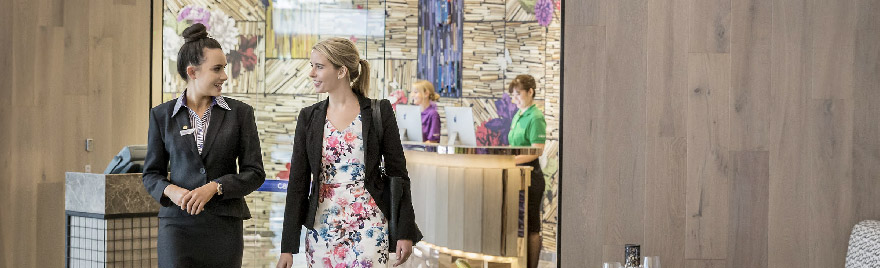
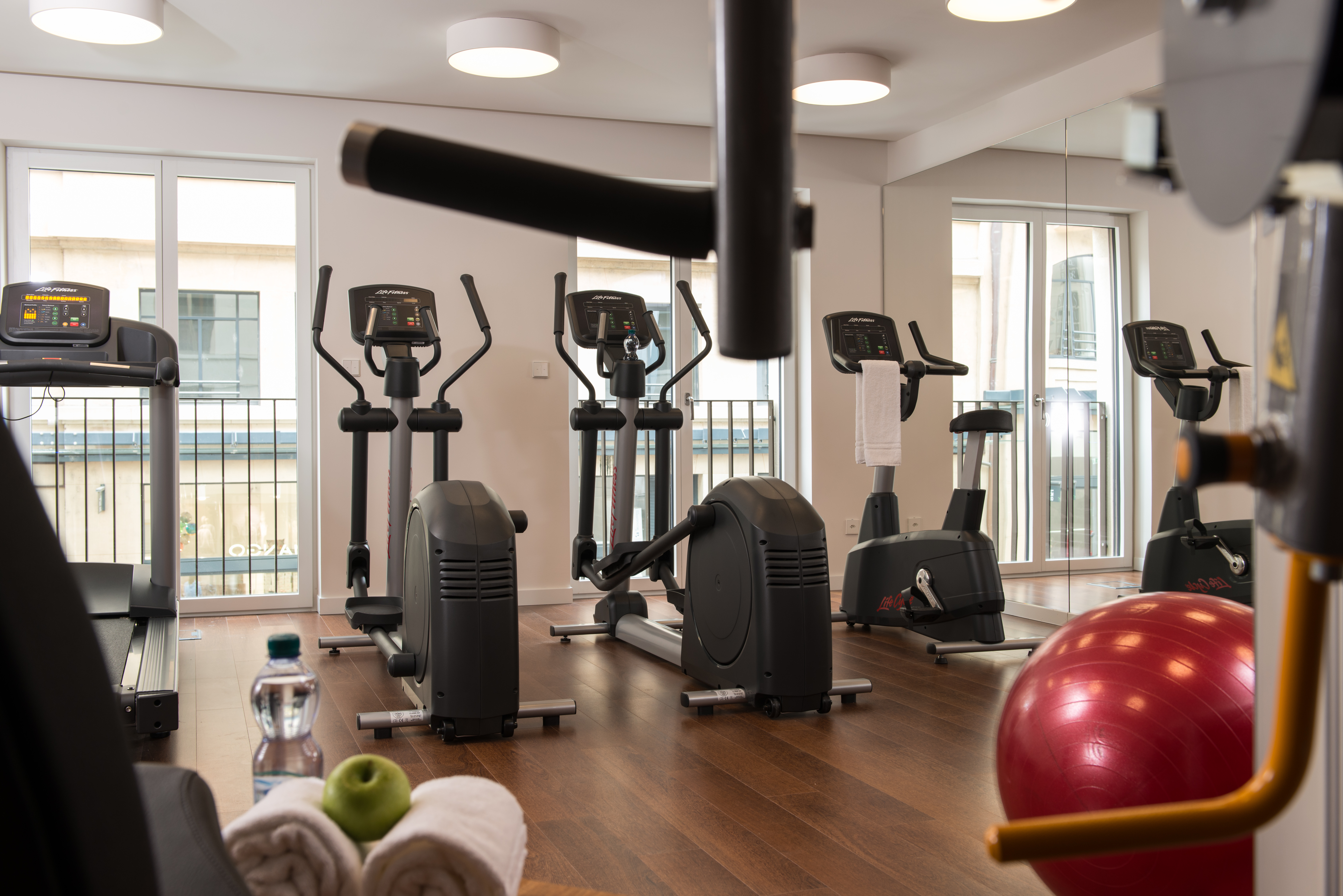
The property's lifestyle and wellness facilities, including a 24-hour gym, suit guests easing back into gentle activity at their own pace, while 24-hour reception and concierge support are on hand for anything from booking transport to a clinic to arranging groceries in advance of arrival. If your treatment or recovery timeline is still uncertain, it's worth submitting an extended stay enquiry before you travel, since bookings of 28 nights or more also qualify for long-stay savings on the best flexible rate. Either way, the central location keeps you within easy reach of Geneva's main clinics, Cornavin station and the lakefront alike.
No. Switzerland doesn't offer free healthcare to anyone, tourists included, and Swiss mandatory insurance (LAMal) applies only to residents, generally those staying more than three months, so it isn't something a tourist needs to think about either way. If you need treatment while visiting, you pay the clinic directly or claim through travel or international medical insurance, and it's worth checking your policy covers Switzerland specifically before you travel, since costs here run higher than in many other countries.
Once your treatment dates are confirmed, ideally straight away, since central Geneva fills up quickly during conference and diplomatic seasons that have nothing to do with medical travel. Choose a rate with flexible date changes rather than a fixed non-refundable one, given how often appointments shift.
Yes, and it's worth registering a second guest at the time of booking rather than at check-in, particularly if they'll be coming and going independently while you're at appointments. Most serviced apartments ask for this upfront so housekeeping and concierge know who to expect.
Some are, particularly gentle massage or hydrotherapy, once a clinician has confirmed it's safe. Others, such as sauna, hammam or cold-water immersion, involve heat, pressure or exertion that isn't appropriate during early recovery, so it's worth checking with your clinician rather than assuming anything low-impact is automatically fine.
Yes, and these stays tend to run longer than people expect, anywhere from a few days to two or three weeks, since a check-up often leads to follow-up appointments the visitor decides to stay on for.

Contact Us
Rue de la Rôtisserie 3-5, 1204 Geneva, Switzerland