

05 May 2026
London has a way of making first-time visitors feel like they have arrived somewhere they already half-know. The skyline from the South Bank, the horses outside Buckingham Palace, the dome of St Paul's appearing at the end of a street you were not expecting: these are sights that have been circulating in the imagination long before the journey is booked. What takes longer to understand is the scale of it. The capital holds centuries of history, world-class museums, royal parks, and a riverside that changes character every few hundred metres, all of it navigable on foot with the right route and a decent pair of shoes.
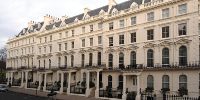
Fraser Residence Prince of Wales Terrace sits directly opposite Kensington Palace, placing guests within walking distance of the Royal Parks, the Natural History Museum and the Royal Albert Hall, and a short Tube ride from every major sightseeing area in the city. The rooms and apartments put you at the centre of one of London's most rewarding neighbourhoods for exploring on foot, with current offers worth checking before you book. This guide covers the essential London sightseeing attractions, the walking routes worth following, and the guided tours that give the city's history more context than a map alone can offer.
Few cities in the world place this many significant landmarks within such a compact area, and the best approach to London sightseeing is to move by neighbourhood rather than by list. The central attractions cluster naturally around the river, the royal estates and the museum quarter, and understanding those groupings is what allows a day to feel coherent rather than exhausting. The attractions below are the ones that consistently justify the visit, whatever the interests of the people making it.
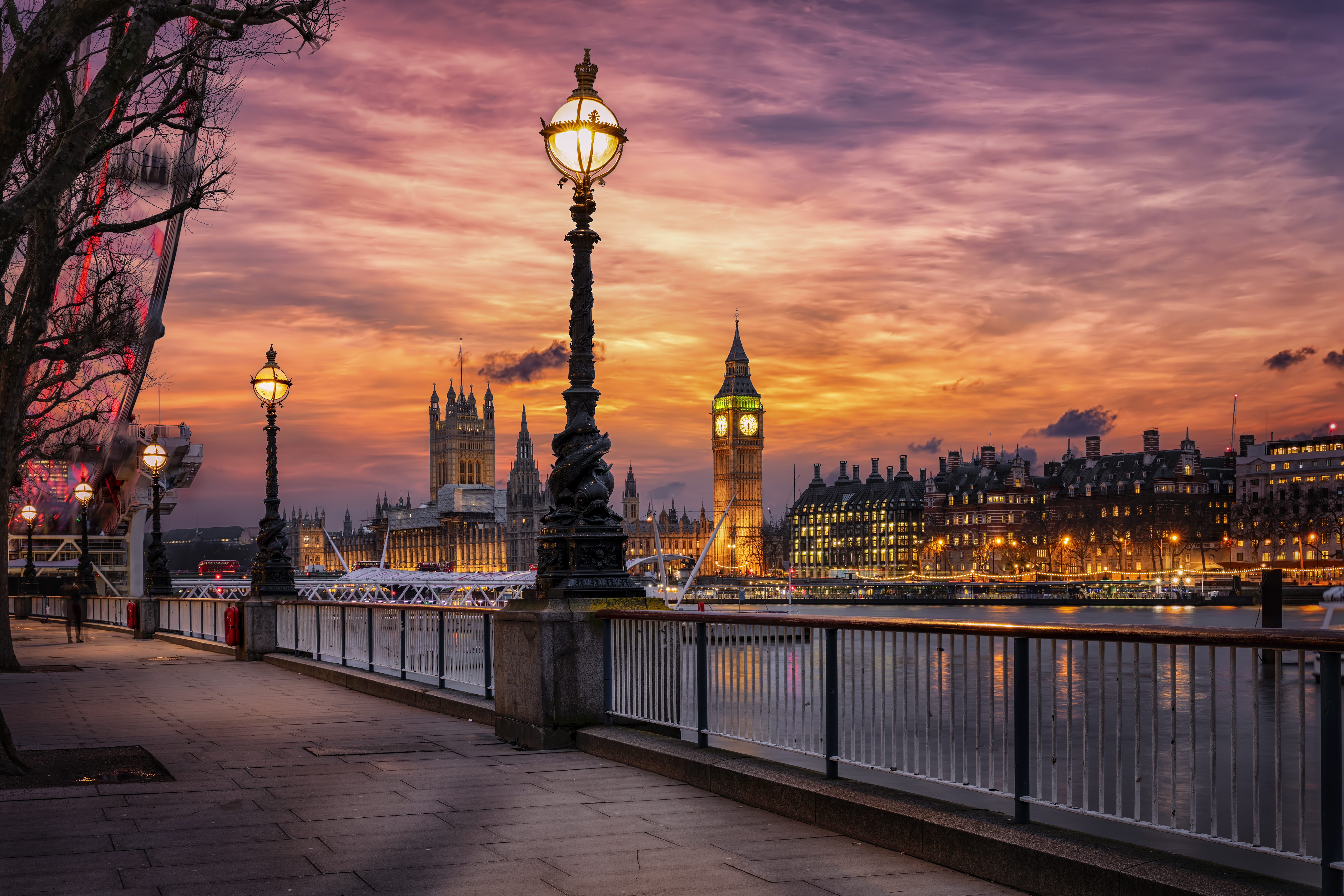
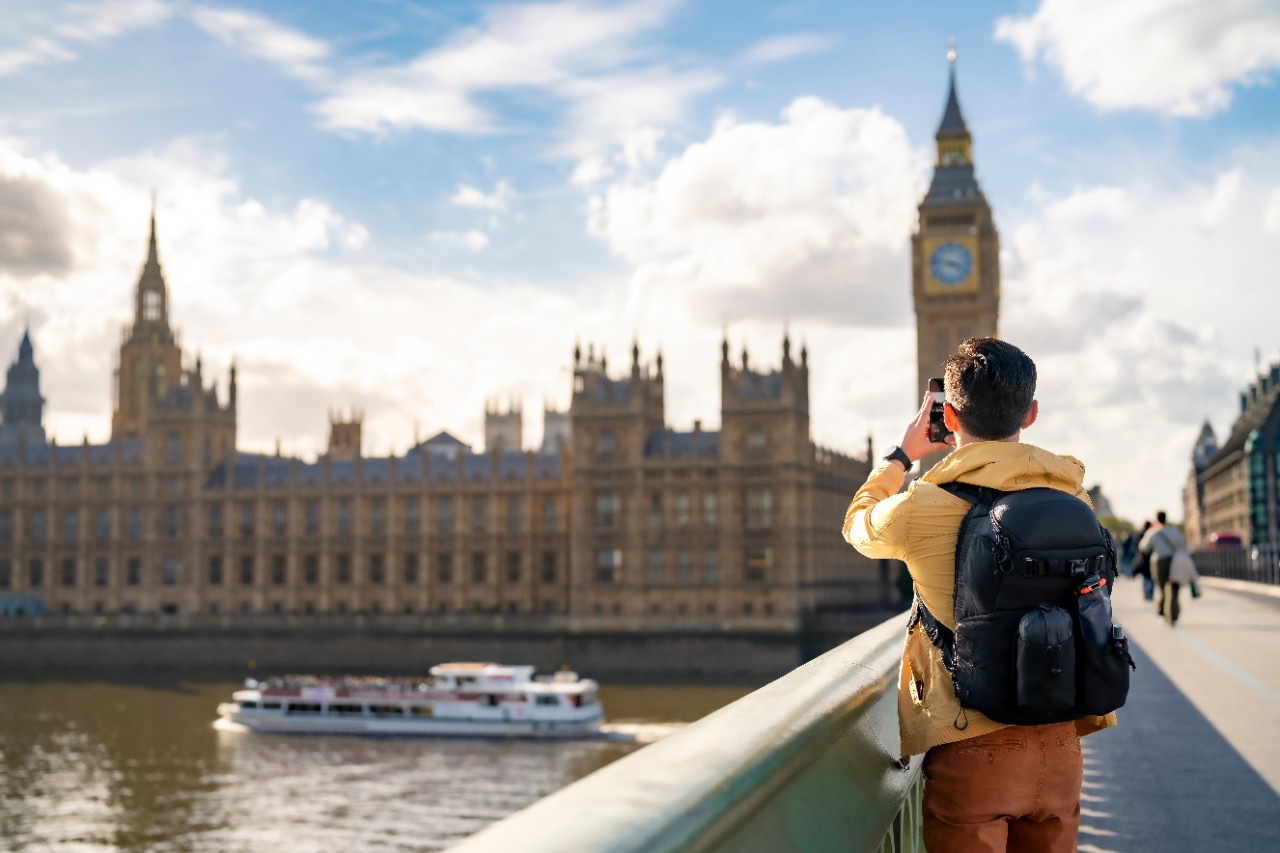
Westminster is where London's political and ceremonial history is most densely concentrated. Westminster Abbey has been the site of every coronation since 1066 and holds the graves of monarchs, poets and scientists in equal measure. The Houses of Parliament and the Elizabeth Tower, better known as Big Ben, sit at the river's edge and reward the visit in both directions: from the opposite bank the full Gothic facade opens up, and from the bridge itself the view of the Thames stretching east is one of the most recognisable in the world. Cross Lambeth Bridge or Westminster Bridge to reach the South Bank, where the London Eye offers 360-degree views from 135 metres, and the concentration of cultural venues along the riverside is unlike anywhere else in the city.
The Tower of London has spent nearly a thousand years accumulating history at a rate that most cities could not manage in twice the time. Royal prison, treasury, palace and fortress, it remains the most visited paid attraction in the UK, and the Beefeater-guided tours are among the best ways to navigate what is, in effect, a small walled city within a city. The Crown Jewels alone justify the admission. Immediately adjacent, Tower Bridge is one of the most photographed structures in the world, and the glass-floor walkway at 42 metres above the Thames gives a perspective on the river that most visitors have not considered until they are standing on it.
Trafalgar Square functions as a kind of civic crossroads, with the National Portrait Gallery on one side, the National Gallery across the top, and the bustle of the West End threading away to the north. The National Gallery holds over 2,300 works spanning 700 years of European painting and is free to enter, which makes it one of the more straightforward decisions in a city that can otherwise be expensive to navigate. The West End itself, including Covent Garden, Leicester Square and the theatre district, is best explored on foot in the early evening when the streets are animated but not yet at full weekend capacity. For current exhibitions and cultural events, the gallery quarter around Trafalgar Square and the South Bank are consistently the most active areas of the city.
For guests staying at Fraser Residence Prince of Wales Terrace, the museum quarter is not a destination so much as a neighbourhood. The concentration of world-class institutions within a short walk of Kensington is extraordinary by any measure, and the fact that several of them are free to enter makes them as practical as they are exceptional. This is the part of London where a morning that starts with a plan often turns into an afternoon that did not, because there is always more to see than the time available.
The Natural History Museum on Cromwell Road is housed in a cathedral-like Victorian building that is worth examining from the outside before you go in. Inside, the blue whale skeleton suspended in the central hall and the 65-million-year-old fossils throughout give the collection a physical scale that photographs do not convey. Free to enter and open daily. Directly opposite, the Victoria and Albert Museum holds the world's largest collection of decorative arts and design, across 145 galleries covering fashion, ceramics, jewellery, architecture and more. Both museums are within fifteen minutes' walk of the residence. Together, they represent a full day of serious cultural engagement without once requiring a ticket or a Tube journey.
Kensington Palace is directly opposite Fraser Residence Prince of Wales Terrace. The state rooms are open to visitors and the palace holds several permanent exhibitions exploring the lives of the royals who have lived there, from Queen Victoria's childhood to more recent royal history. The formal gardens surrounding it lead directly into Kensington Gardens and Hyde Park, which together cover 625 acres of open green space in the heart of central London. The Serpentine Gallery sits within the park and consistently stages some of the most interesting contemporary art in the city. Walk east through the parks and Buckingham Palace is reachable in around thirty minutes without touching a road.
London's sightseeing tour options range from fully guided walking experiences with specialist guides to open-top bus routes that cover the major landmarks in a single circuit. The choice depends largely on what kind of day you are planning, but the options below each offer something more than the standard tourist circuit, and are worth considering alongside independent exploration.
For a first day in the city, a hop-on hop-off bus tour is a genuinely sensible way to orient yourself before committing to any particular area on foot. The Original Tour covers over 60 stops across five routes, connecting Westminster, the South Bank, the City, Kensington and the West End in a single loop. The open-top upper deck gives unobstructed views of the skyline throughout, and the flexibility to step off and explore before rejoining the route means the day is not locked into a fixed schedule. Night tours run separately and offer a view of the illuminated city that is worth doing at least once.
London Walks runs the most extensive programme of guided walking tours in the city, with routes covering Jack the Ripper, royal London, Shakespeare's Southwark, the hidden village of Highgate and dozens of other subjects, led by Blue Badge guides and specialist historians. Tours run daily and require no booking for most routes, which means they are easy to fit around a broader itinerary. The Jack the Ripper walk in particular has been running for over fifty years and remains the most consistent introduction to the East End's 19th-century history that the city offers. Groups are small by design, which makes the experience closer to a private tour than a mass excursion.
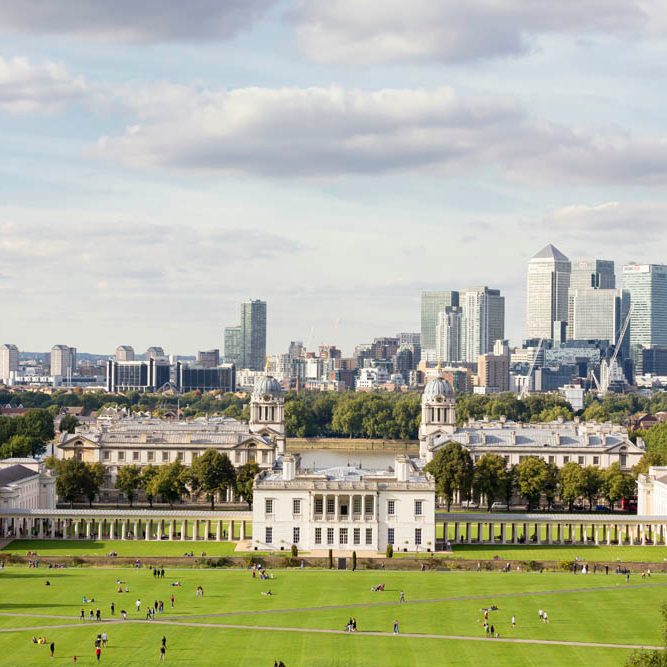
Seeing London from the river changes the orientation of the city entirely, and the views of the South Bank, Tower Bridge, St Paul's and the Docklands are different enough from street level to justify the journey in its own right. City Cruises runs hop-on hop-off services between Westminster Pier, Bankside, Tower Bridge and Greenwich, with commentary throughout. The Greenwich route is particularly useful for visitors who want to combine sightseeing with a visit to the National Maritime Museum and the Cutty Sark, both of which are within a short walk of the pier at the far end.
London rewards walking more than almost any other city, and the best sightseeing routes are the ones that move between landmarks on foot rather than using the Tube for every connection. The distances involved are rarely as large as they appear on a map, and the streets between the obvious stops frequently hold as much interest as the stops themselves. The three routes below cover the city's most significant areas and can be done independently or used as a framework for building a longer day.
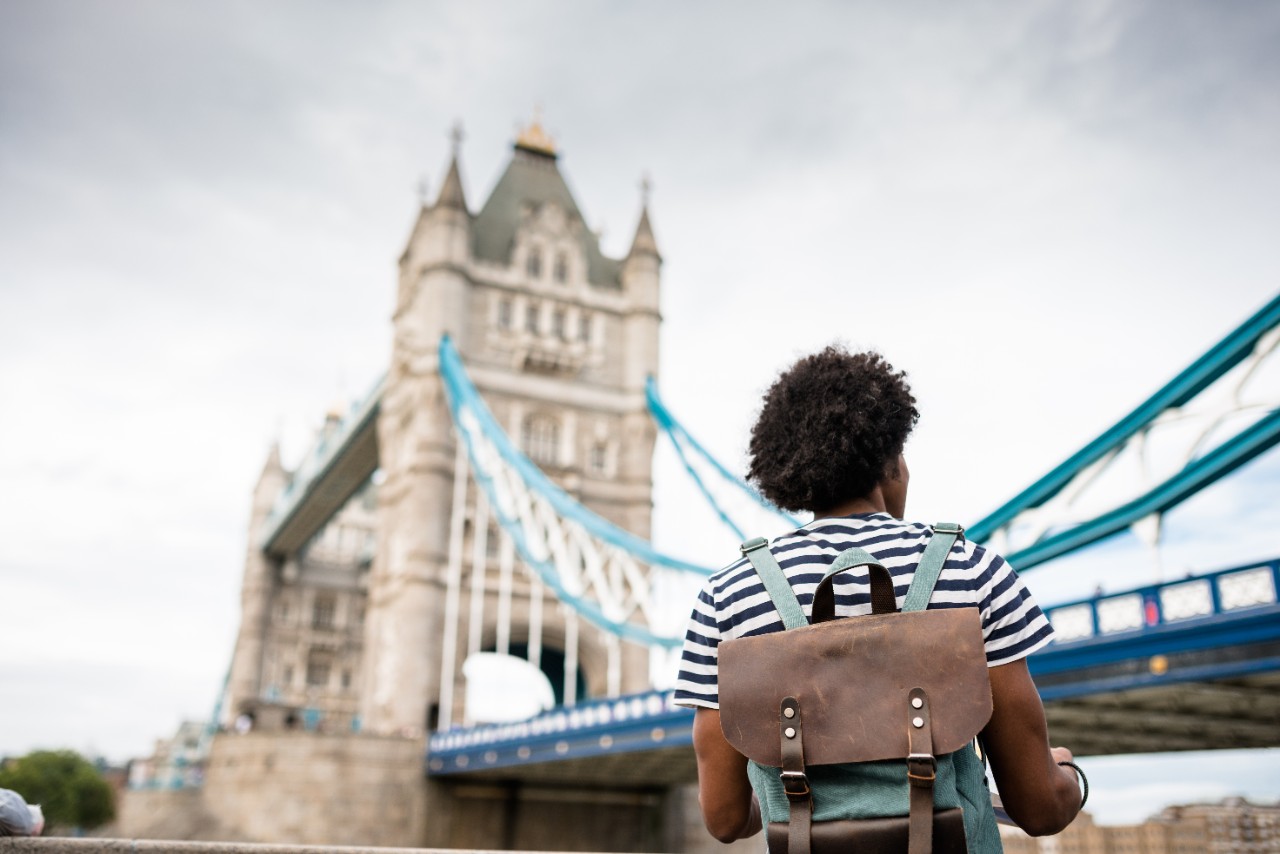
The South Bank is the most reliably rewarding walking route in London for first-time visitors. Starting from Westminster Bridge, the route follows the Thames east past the London Eye, the Southbank Centre, Tate Modern, the Millennium Bridge, Shakespeare's Globe and Southwark Cathedral before finishing at Borough Market, where the stalls and food vendors make a natural end point for the morning. The full route is around four miles and takes two to three hours at a comfortable pace, with the option to extend east to Tower Bridge if the day allows. The views north across the river to St Paul's, the City skyline and the Embankment are consistent throughout and change with the light.
This route runs through the heart of royal London and is best started from Kensington Palace, which means guests at Fraser Residence Prince of Wales Terrace can begin from their front door. The walk moves east through Kensington Gardens and Hyde Park, passing the Serpentine, the Diana Memorial Fountain and the Italian Gardens before reaching Buckingham Palace via the Long Water and Green Park. From the Palace, St James's Park leads to Horse Guards Parade and Trafalgar Square, rounding off a route that covers five royal parks and two palaces in a single morning. The full distance is around four miles and suits all fitness levels.
The square mile of the City of London contains more concentrated history than most cities manage across their entire footprint. A self-guided route starting from St Paul's Cathedral moves through the medieval street patterns of Cheapside, Guildhall, the Bank of England, the Royal Exchange and Leadenhall Market, with Wren's church spires punctuating the skyline throughout. The contrast between the ancient alleys and the glass towers that have grown around them is one of the more visually striking things London offers, and the area is at its most atmospheric early on a weekday morning or over a weekend when the office population has cleared. The Sky Garden at the top of 20 Fenchurch Street is free to visit with advance booking and provides a panoramic view that ties the whole area together at the end of the walk.
London is large, but the sightseeing areas are concentrated enough that a few simple points make the experience considerably easier. The Oyster card or a contactless bank card covers the entire Tube, bus and river bus network and is capped daily, which removes the need to plan every journey around a ticket. High Street Kensington and Gloucester Road Underground stations are both within a few minutes' walk of Fraser Residence Prince of Wales Terrace, with direct connections to Westminster, South Kensington, the City and the West End. The national museums in South Kensington and around Bloomsbury are free to enter, which means the core of a serious cultural visit costs nothing beyond transport. For those planning to cover multiple paid attractions, the London Pass gives entry to over 80 sites including the Tower of London, Kew Gardens and Westminster Abbey, and pays for itself quickly on any itinerary that includes three or more.
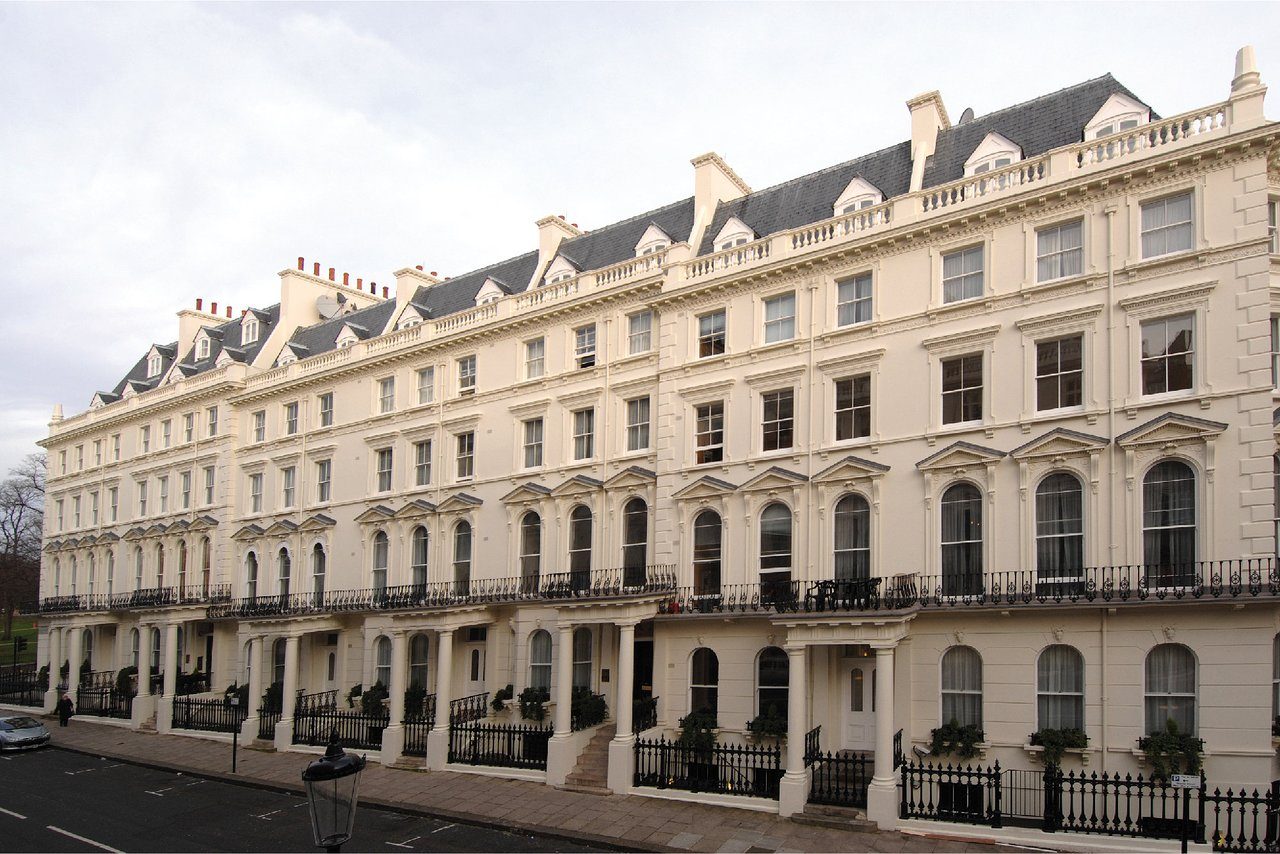
Fraser Residence Prince of Wales Terrace is on Prince of Wales Terrace in Kensington W8, directly opposite Kensington Palace and moments from the entrance to Kensington Gardens. The Royal Parks walking route starts from the front door. The Natural History Museum and the V&A are a fifteen-minute walk south. High Street Kensington station is a short walk away with District and Circle line connections to Westminster, Victoria, the South Bank and the City. For a broader picture of what the area has to offer, the neighbourhood rewards exploration well beyond the obvious landmarks.
Accommodation comprises 19 spacious residences, including three-bedroom apartments of 92 square metres and a four-bedroom penthouse of 210 square metres, each fully furnished with a well-equipped kitchen, separate living areas and hotel-grade amenities. On-site facilities include a resident concierge team, 24-hour gym access, a steam room and sauna, and secure underground parking. The generous layout is particularly well suited to families and groups using London as a sightseeing base over an extended stay, where the kitchen and living space make returning between outings genuinely comfortable rather than merely functional. View current offers to plan your stay.
Three to four days covers the major sightseeing areas without feeling rushed, though London rewards longer stays significantly. A first full day works well across Westminster, the South Bank and the Tower of London, covering the historical core of the city from both banks of the river. A second day suits the museum quarter in South Kensington alongside Kensington Palace and the Royal Parks. A third day opens up the City of London's historical walk, Trafalgar Square and the National Gallery, with the West End and Covent Garden in the evening. A fourth day allows for Greenwich by river, which adds the National Maritime Museum, the Cutty Sark and the best elevated views of the city from the Royal Observatory to the itinerary.
Kensington is one of the strongest bases in the city because it sits within walking distance of the museum quarter while remaining well connected by Tube to every other sightseeing area. The District and Circle lines from High Street Kensington reach Westminster in around ten minutes and the City in around twenty, which means no part of central London requires more than a short journey. The neighbourhood itself, with Kensington Gardens, the Royal Albert Hall and the Natural History Museum all nearby, means a great deal of the city's best sightseeing is already on the doorstep.
Guided tours add a layer of context and narrative that independent sightseeing does not automatically provide, particularly for areas where the visible surface does not tell the full story. The Tower of London's Beefeater tours are a clear example: the building is extraordinary, but understanding what happened inside each of its structures makes the visit significantly richer. Similarly, the London Walks guided programme is worth considering for neighbourhoods like the East End or the City of London, where the history is embedded in street names, church dedications and alley patterns that a map alone does not illuminate. Self-guided walking routes work best for areas like the South Bank and the Royal Parks, where the sightseeing experience is largely visual and the route itself is the guide.
The national museums are all free to enter, including the British Museum in Bloomsbury, the Natural History Museum and the V&A in South Kensington, the National Gallery and the National Portrait Gallery in Trafalgar Square, Tate Modern on the South Bank, and the Science Museum. The Royal Parks, including Hyde Park, Kensington Gardens, St James's Park and Green Park, are free. The Sky Garden at 20 Fenchurch Street is free with advance online booking. The Changing of the Guard at Buckingham Palace is free to watch from outside. The vast majority of the South Bank Walk, the Royal Parks Walk and the City of London historical walk cost nothing beyond sensible footwear.
Late spring and early autumn are the most comfortable seasons for sightseeing on foot, with longer daylight hours than winter and more manageable crowds than the peak summer months of July and August. May and September in particular offer a good balance: mild temperatures, the parks at their best, and enough daylight to extend a day's walking into the evening. Summer school holidays from late July to the end of August bring the highest visitor numbers to the central attractions and the longest queues, so pre-booking tickets for the Tower of London, the London Eye and other paid sites is worth doing well in advance during that period.



Contact Us
2-14 Prince of Wales Terrace, London W8 5PE
Stay in Touch
Become a member for exclusive offers and latest news.