


Things to see and do in Muscat, Oman
27 November 2022
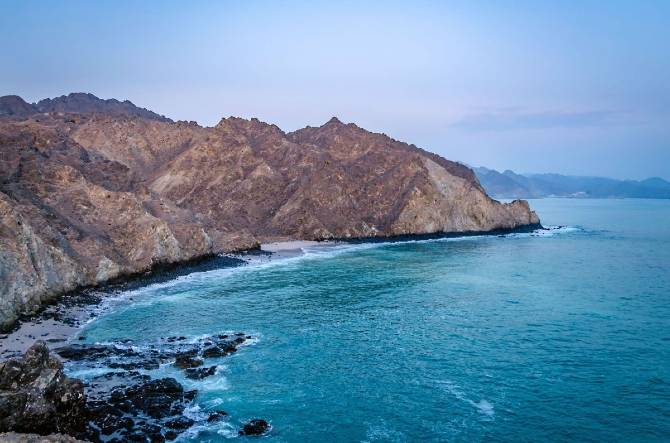
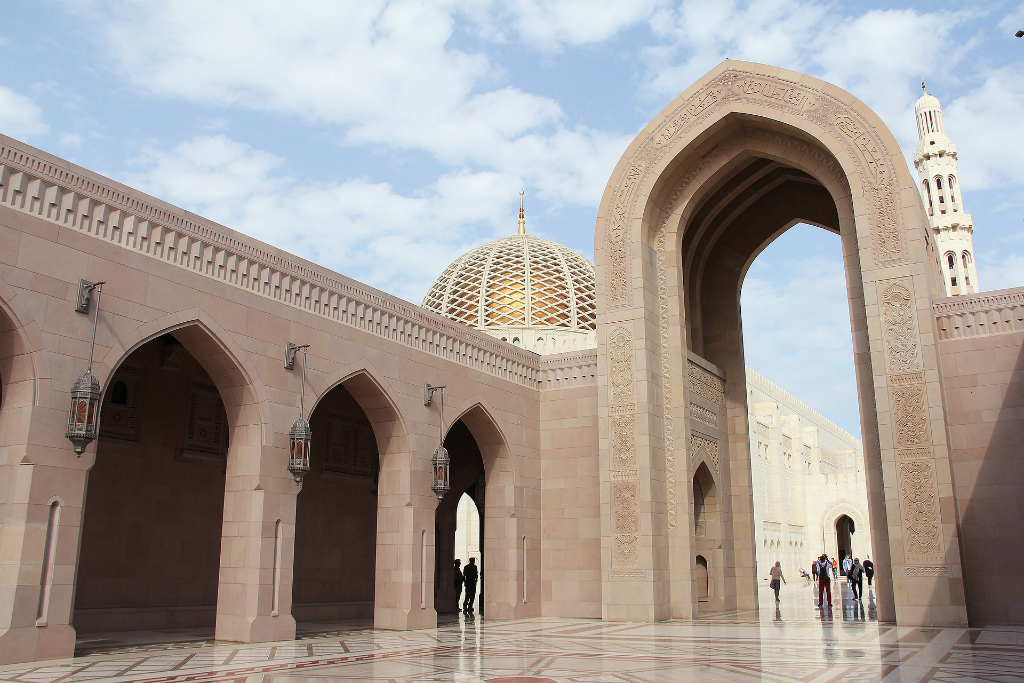
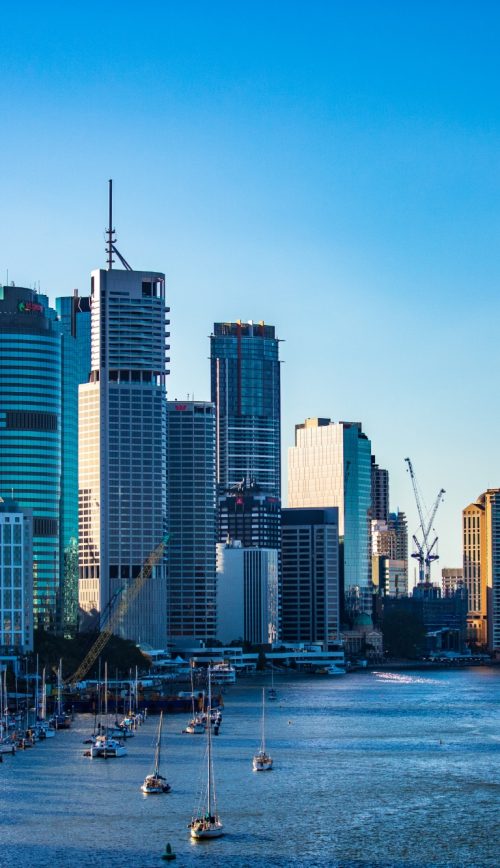
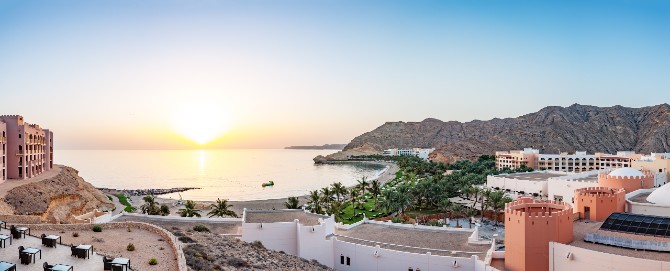
There are several cities you need to add to your bucket list – one of them being Muscat, Oman’s capital. However, don’t mistake Muscat as just another glitzy desert destination. Situated on the Gulf of Oman, this charming port city is surrounded by mountains and is home to impressive buildings, stunning landscapes and friendly locals.
It’s easy to experience the many wonders of Muscat no matter the length of your stay. Not sure where to start? Put these historical sights, natural wonders and architectural must-visits on your Muscat itinerary.
Places to visit in Muscat
Mutrah Corniche
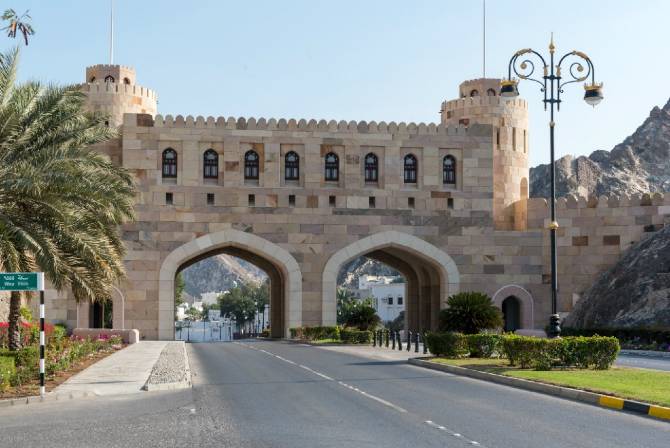
One of Muscat’s most vibrant areas, the recently redeveloped Mutrah Corniche is a promenade lined with 19th-century merchant houses and colourful minarets. Take a leisurely 40-minute stroll along its length from Old Muscat to Mutrah Fish Market, or hire a bike for free near Riyam Park. If time permits, visit just before sunset – the shadows cast on the Corniche by the surrounding mountains make for a spectacular sight.
The National Museum of Oman
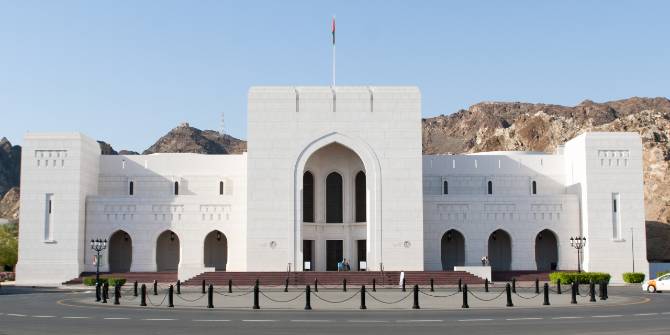
With its gleaming white facade, the National Museum of Oman is a contemporary addition to Old Muscat. Once inside, take your time to explore the artefacts on view, which tell the story of Oman’s journey – from the first human settlement some two million years ago to the present day. Designed such that space, light and height are used to enhance its displays, the museum is also equipped with a learning centre, conservation facilities and an ultra-high-definition cinema screening a variety of short films.
Bait Al Zubair Museum
Bait Al Zubair Museum in the heart of Old Muscat is home to a vast collection of traditional Omani handicrafts, furniture, ancient weapons, jewellery, clothing and more. The private museum also functions as a cultural centre, hosting numerous art exhibitions within its grounds all year round. Foodie tip: Before leaving, enjoy a meal at Bait Al Dalaleel, the museum’s in-house cafe. Set in a carefully restored Omani house, you’ll also find a bedroom, guest lounge and even a date store on the premises.
Mutrah Souq
Possibly one of the oldest marketplaces in the world, Mutrah Souq is a traditional Arab market located right in the middle of Mutrah Corniche. Its labyrinthine alleys will take you past shops selling a wide range of eclectic goods, including copper coffee pots, frankincense, traditional garments and even khanjar – a ceremonial dagger that’s the national symbol of Oman. You’ll also find an array of Omani snacks such as sambusa (triangular fried pastries with a savoury filling) and kebabs here. Don’t forget to bargain and pay in cash for the best deals.
Al Alam Palace
Go back in time with a visit to the 200-year-old Al Alam Palace. More commonly known as the Sultan’s Palace, it is the ceremonial residence of Sultan Qaboos. Sitting at the end of a palm-tree-lined avenue, the palace is especially spectacular at dusk, when lights illuminate its blue and gold façade. While the palace itself is not open to the public, you’re free to roam the grounds and snap photos.
Sultan Qaboos Grand Mosque
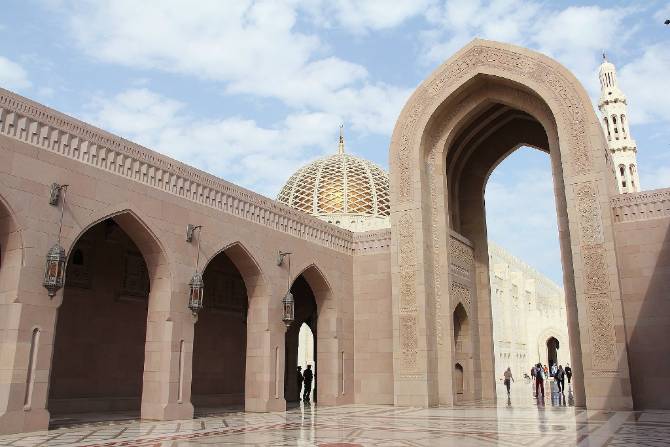
This opulent, marble-clad architectural masterpiece was a gift to the nation from Sultan Qaboos to mark his 30th year as the Sultan of Oman. Completed in 2002, the Sultan Qaboos Grand Mosque can accommodate up to 20,000 people at any one time, and is the only mosque in Oman that’s open to non-Muslim visitors. The grand prayer hall houses the second largest Persian carpet in the world, which took 600 women four years to weave. And in the men’s prayer hall, you’ll discover a 14m-tall chandelier adorned with 600,000 Swarovski crystals.
Foodie tip: Break for a meal at Bin Ateeq, which is a seven-minute drive from the mosque. Favoured by locals for its shuwa – spicy marinated lamb or camel slow-roasted in an underground oven – and traditional carpet seating, it offers an authentic Omani culinary experience.
The Royal Opera House
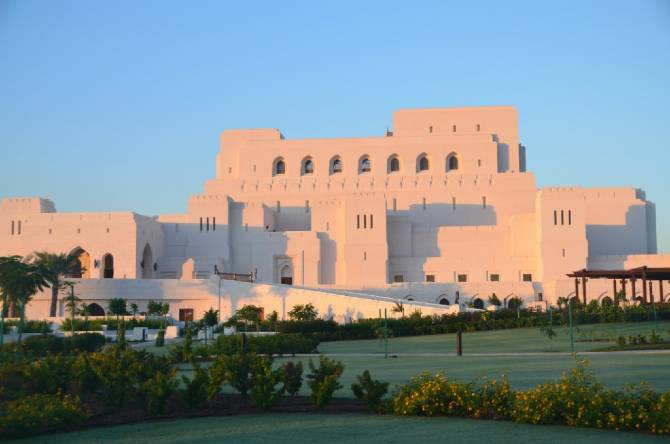
Even if you’re not intending to catch a performance, The Royal Opera House Muscat is well worth a visit. Completed in 2011, this majestic music and arts venue is the first of its kind in the region. Don’t be fooled by its understated facade – its interior, which is inlaid with motifs derived from Islamic, Mughal, Oriental and European art, is a sight to behold.
Foodie tip: For a truly luxurious Omani meal, make a reservation at Al Angham just next door. Similarly decked out in intricate woodwork, it serves up contemporary dishes coupled with charming Omani hospitality, making for a hugely enjoyable pre-performance dinner.
Experience Muscat’s natural wonders
Qurum Beach
Muscat isn’t typically associated with beaches, so you may be surprised to discover that the city is surrounded by pristine stretches of sand. With temperatures rarely dipping below 20°C in the day, it’s no wonder these beaches are popular with locals all year round. Get your fill of sun, sea and sand at Qurum Beach, where several boat operators offer snorkelling, fishing or dolphin-watching trips.
Bandar Khayran and Daymaniyat Island
Most experienced divers will recommend Daymaniyat Island, a 90-minute boat ride from Muscat. This protected nature reserve is home to vibrant shoals of fish, different types of hard and soft corals, and even larger marine animals such as stingrays and black reef sharks. Alternatively, dive into the waters off Bandar Khayran (around a 45-minute drive from Muscat), where you can explore the Al Munassir shipwreck. Formerly an amphibious warfare vessel operated by the Royal Navy of Oman, it was sunk so that it could be turned into an artificial reef in 2003. The bay is also great for other water sports including kayaking and snorkelling.
Wadi Shab
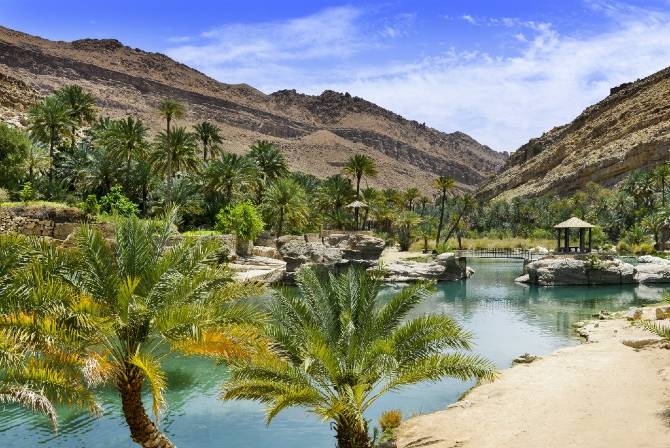
Have a day to spare? Take a 90-minute drive to Wadi Shab, the “Gorge Between Cliffs” on the outskirts of the city. Here, you’ll find clear turquoise waters surrounded by palm trees and even a cave with a waterfall. The journey to the cave isn’t straightforward, but it’s well worth the effort. At high tide, you’ll have to take a short dinghy ride from the carpark to the trailhead, where you’ll then need to complete a 45-minute hike through rocky cliffs and palm groves to reach your destination. Enjoy a refreshing dip in the pools at the end of the route – the brave-hearted can even try cliff-jumping.
Snake Canyon
Tucked away in the Hajar Mountains (around a 2.5-hour drive from Muscat), Snake Canyon is Oman’s largest natural water park. It’s a must-visit for thrill-seekers, who will enjoy trekking through the narrow gorge, abseiling down sheer cliffs and leaping from rock ledges into clear pools. Book with an adventure tour operator, which can help arrange a local guide and transport.
Sharqiya Sands
The original home of the Bedouins, Sharqiya Sands (around a two-hour drive from Muscat) is a popular camping destination. Amid these golden dunes lies a diverse ecosystem, and you’ll see desert foxes and ghaf trees thriving in the arid climate. Besides camping, you can go camel-riding, sand-duning in a four-wheel drive, horse-racing and more.
Where to stay in Muscat
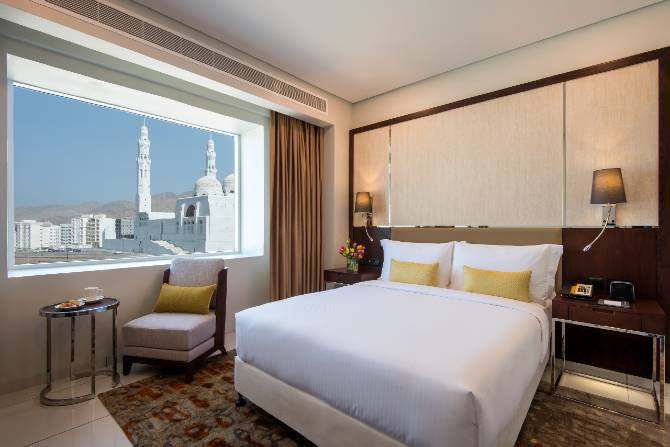
Cap off a day of exploration with a well-deserved rest at Fraser Suites Muscat, which offers luxurious one-, two- and three-bedroom suites in the heart of the city. Top attractions including Mutrah Souq, the Royal Opera House Muscat and the Sultan’s Palace are all within easy reach.




Best Rates Guaranteed When You Sign Up As Our Loyalty Member
- Complimentary Stays
- Exclusive Members Rate
- Room Upgrade
- Late Checkout
- Welcome Voucher
- Annual Explorer Voucher