
.jpg)

05 May 2026
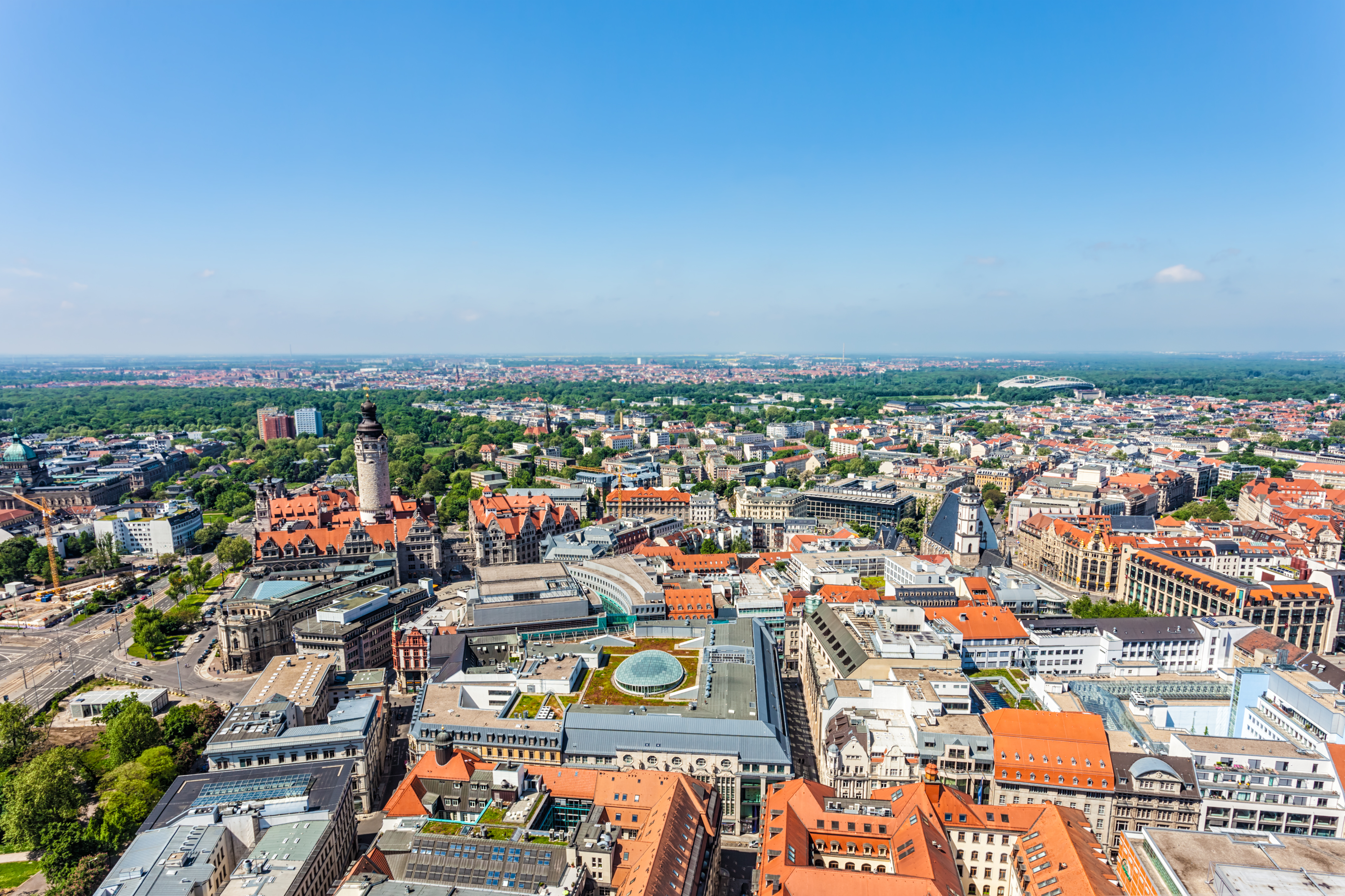
Leipzig is a city that contains more history than most visitors expect and more creative energy than most guidebooks acknowledge. It was a centre of European music for three centuries, the site of one of the most decisive battles of the Napoleonic era, the city that produced one of the most significant schools of painting in late 20th-century Germany, and the place where the peaceful protests that helped bring down the Berlin Wall began in 1989. The same streets that echo with Bach's church music now run through creative districts built inside former cotton mills and power stations, and the tension between those two registers is precisely what makes Leipzig worth understanding.
For guests who want to sit at the centre of all of it, Capri by Fraser Leipzig is in the heart of the city, within walking distance of the historic centre and a short tram ride from the creative districts of Plagwitz and Connewitz. The studios and apartments make a comfortable base for a city this rich in things to explore, with current offers worth checking before you book. This guide covers Leipzig's cultural and historical identity from its musical heritage to the alternative neighbourhoods that have made it one of Germany's most talked-about cities.
Few cities in the world can claim a musical legacy as dense and as still-living as Leipzig's. More than 500 composers lived and worked here over the centuries, and the institutions that shaped European classical music were built on these streets. What distinguishes Leipzig from other cities with significant musical pasts is that the heritage is not preserved behind glass: the same institutions are active, the same spaces are in use, and the music written here is still performed in the buildings where it was first heard.
St Thomas Church is where Johann Sebastian Bach served as Thomaskantor from 1723 until his death in 1750, composing much of his greatest work during those years. Key things to know:
The Gewandhaus Orchestra is one of the oldest symphony orchestras in the world, tracing its history to 1743. Notable connections include Felix Mendelssohn as director from 1835, Richard Wagner born in the city in 1813, and Robert Schumann and Edvard Grieg both living and studying here. The Gewandhaus concert hall on Augustusplatz is where the ensemble performs today. For those wanting to explore Leipzig's museums and art galleries further, the Leipzig Music Trail connects all major musical heritage sites in a single walkable route.
Leipzig's history is one of continuous reinvention. A major medieval trade and publishing centre, heavily bombed in the Second World War, four decades behind the Iron Curtain, and then the site of one of the most significant acts of peaceful civic resistance in modern European history. That compressed sequence is visible throughout the city in ways that are immediate and often surprising.
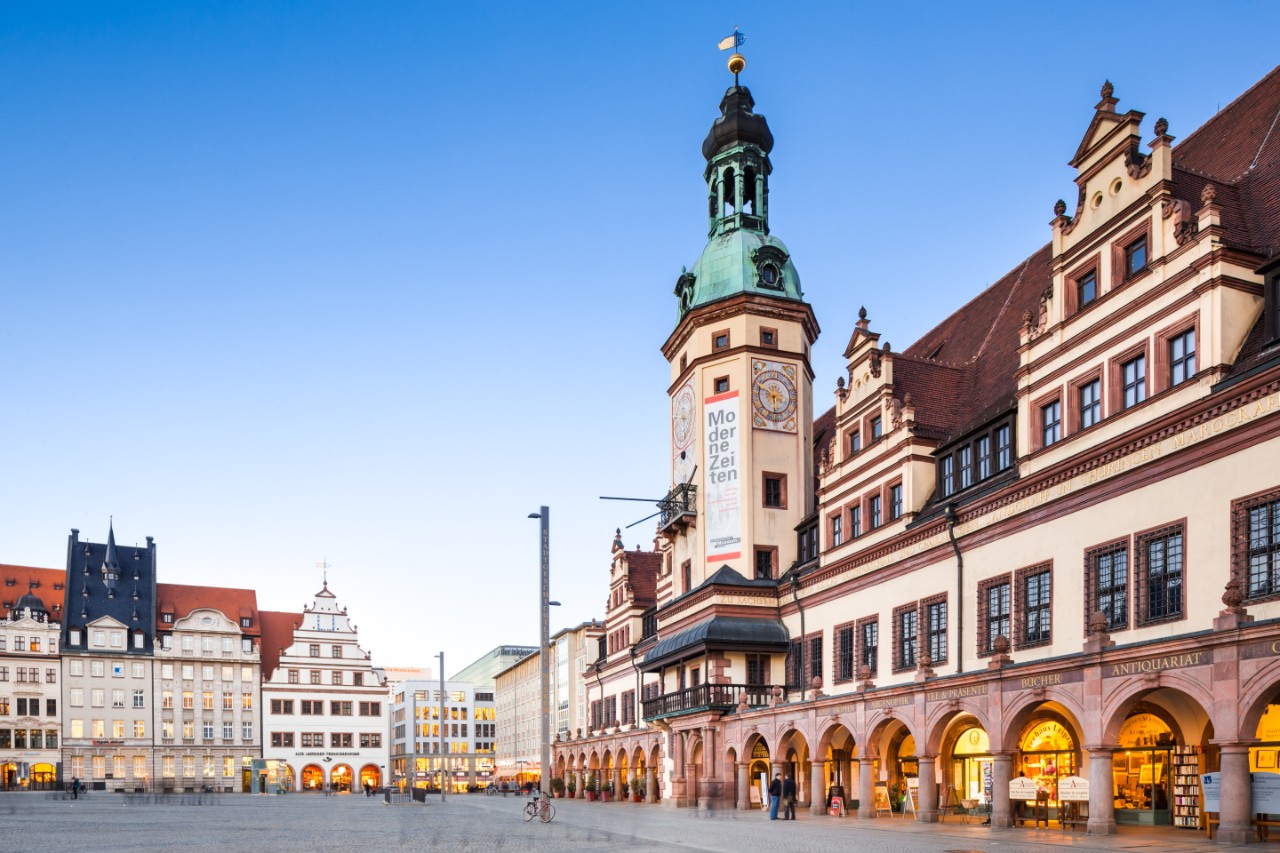
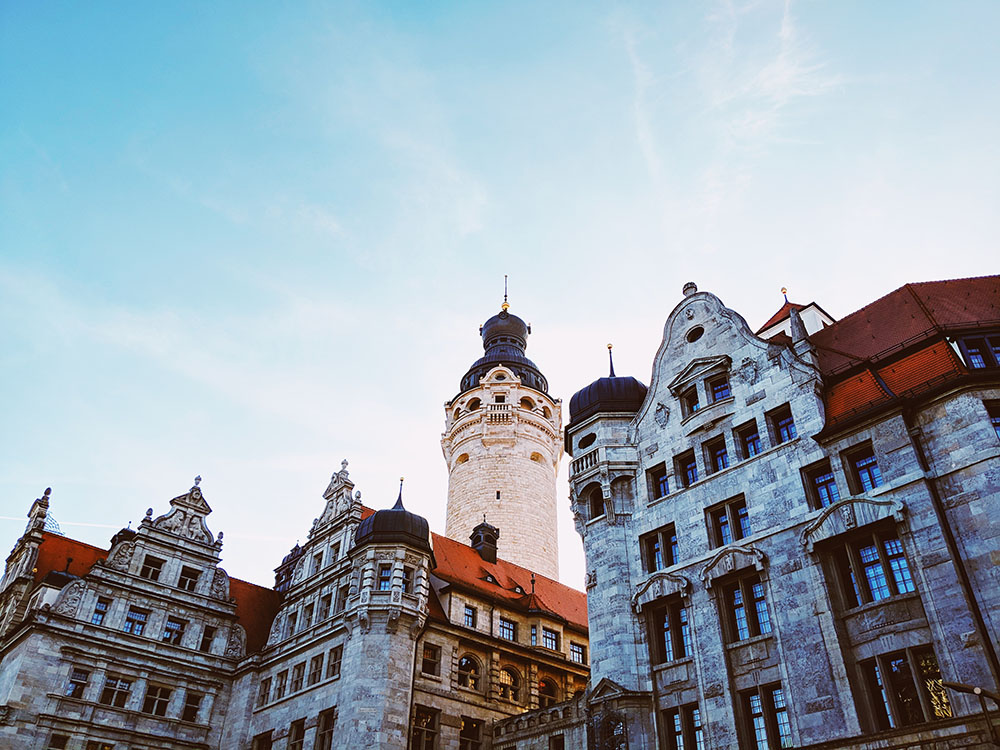
The Old Town Hall on Marktplatz is one of the most beautiful Renaissance buildings in Germany, built in 1556 and now housing the Leipzig History Museum. Key highlights:
At 91 metres, the Monument to the Battle of the Nations is the most imposing war memorial in Germany. Built in 1913 to mark the centenary of the Battle of Leipzig, in which coalition forces defeated Napoleon in the largest battle in European history before the First World War. The interior chambers and observation platform reward the visit, and the view across Leipzig from the top is the widest available anywhere in the city. Allow around ninety minutes.
Three institutions tell this story with honesty and care:
Leipzig's creative scene grew from the practical reality of cheap rents and empty industrial buildings after reunification. What has developed over three decades is a set of neighbourhoods and institutions with genuine depth, continuing to attract artists, designers and cultural practitioners from across Germany and beyond.
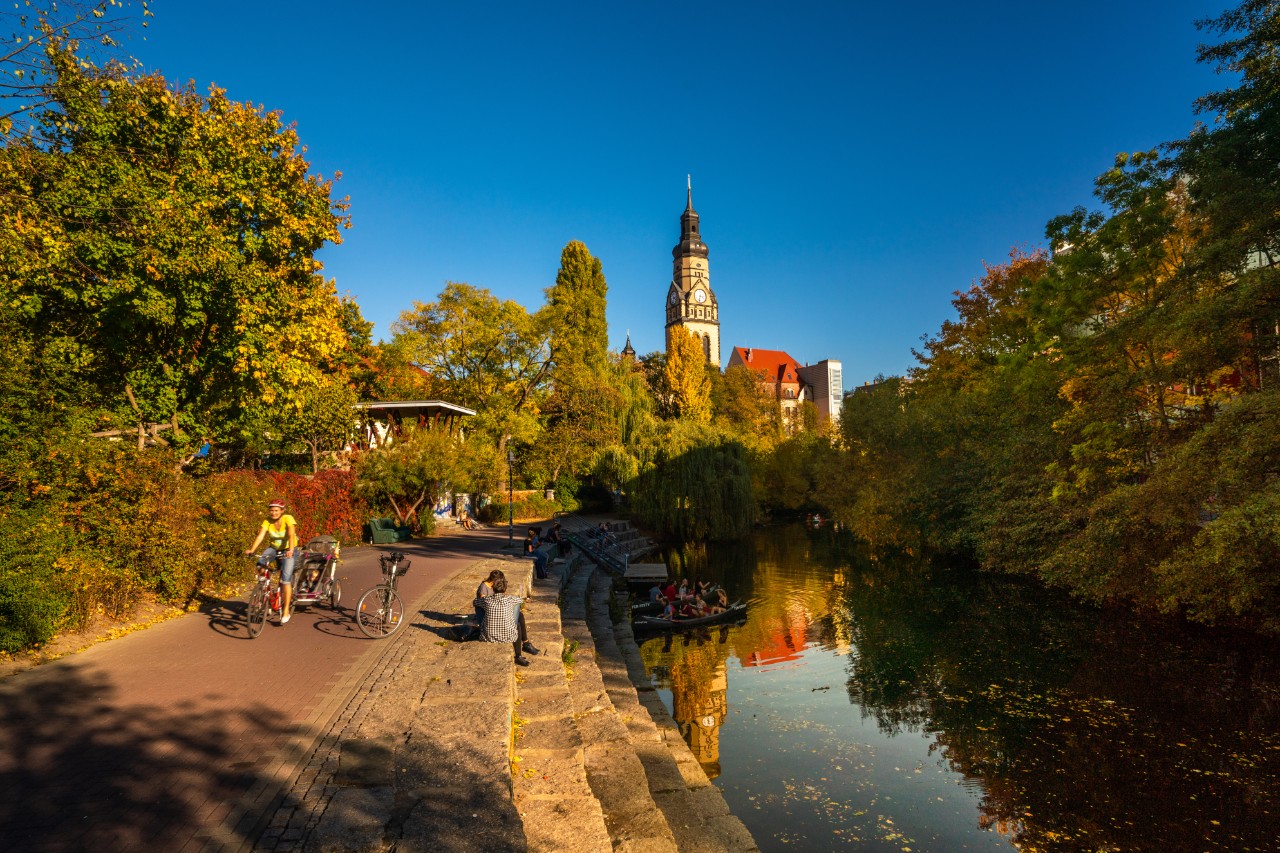
Plagwitz in the west of the city was Germany's first planned large-scale industrial district. Its centrepiece is the Baumwollspinnerei, once the largest cotton mill in continental Europe. What it offers today:
South of the centre, Connewitz has maintained a firmly alternative character since reunification. Karl-Liebknecht-Strasse, known locally as the Karli, is the commercial and social spine: independent bars, vegan restaurants, street art and a neighbourhood more committed to its own identity than most comparable areas in Germany. The Spoon Family sign, a preserved GDR-era relic, now illuminates a beer garden and cultural space hosting flea markets, outdoor cinema and live music through summer. Südvorstadt, running between the centre and Connewitz, offers a more relaxed café culture popular with the city's student population.
The New Leipzig School is one of the most commercially and critically significant art movements of the late 20th and early 21st centuries, formed entirely in this city. Artists including Neo Rauch, Tim Eitel, Matthias Weischer and Tilo Baumgärtel studied at the Leipzig Academy of Fine Arts and developed a figurative painting style drawing on Leipzig School traditions, surrealism and GDR imagery. Their work reached international markets through the Spinnerei galleries in the early 2000s. The Museum der Bildenden Künste holds the most complete public collection: a striking glass cube housing 15 galleries across 80,000 square feet with dedicated sections on both Leipzig Schools. For the full picture of Leipzig's museums and galleries, the museum quarter contains several institutions within easy walking distance of each other.
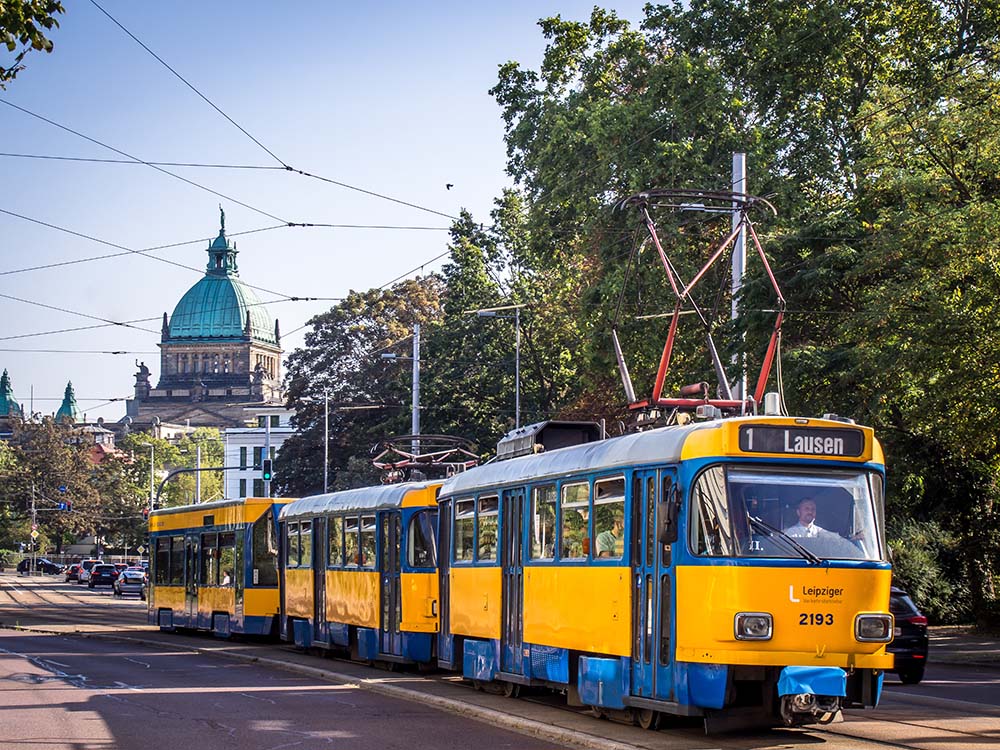
Capri by Fraser Leipzig is centrally located in the city, with the Old Town, the Gewandhaus, St Thomas Church and the Museum der Bildenden Künste all within a short walk The western districts of Plagwitz and the Spinnerei complex are accessible by tram along Karl-Heine-Strasse, and the southern neighbourhoods of Südvorstadt and Connewitz are equally straightforward to reach. Leipzig's compact geography means that a culturally focused stay can cover a considerable amount of ground without requiring a car. For guests who find the city's creative scene draws them back for a longer visit, extended stay options are available.
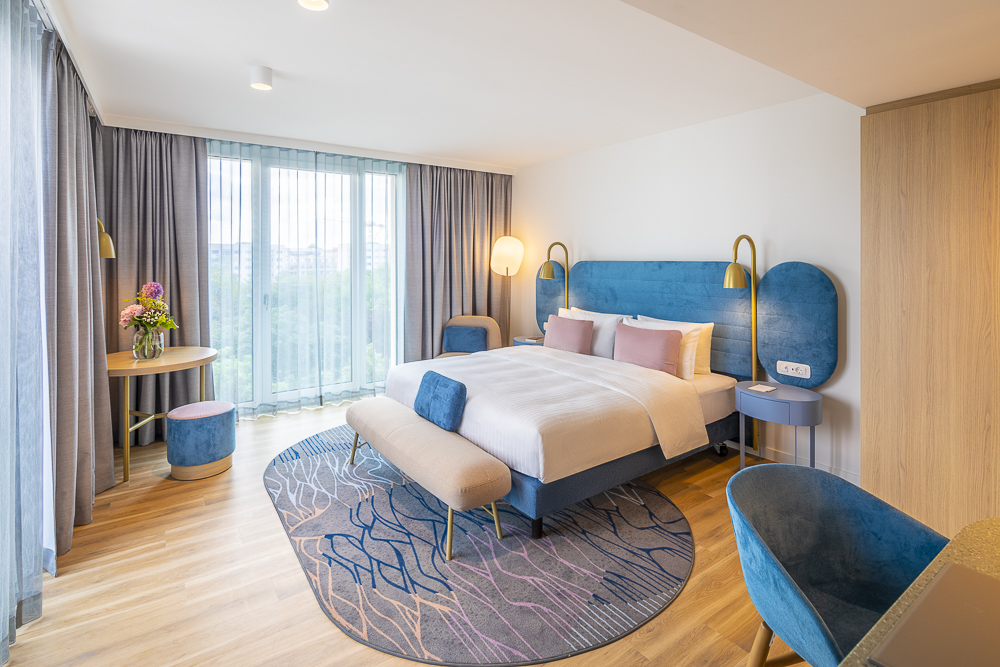
Accommodation comprises fully furnished studio and one-bedroom apartments with equipped kitchenettes, floor-to-ceiling windows and dedicated workspaces, suited to both short cultural breaks and longer stays. On-site facilities include a 24-hour gym, bar and lounge and a concierge team with knowledge of the city's cultural programme and gallery scene. View current offers to plan your stay.
Leipzig is best known internationally for its musical heritage: it is the city where Johann Sebastian Bach spent the most productive years of his life, where Felix Mendelssohn directed the Gewandhaus Orchestra, and where Richard Wagner was born. The Gewandhaus Orchestra itself is one of the oldest in the world, and the annual Bach Festival draws performers and audiences from across the world. More recently, Leipzig has become associated with the New Leipzig School of painting, whose figurative artists achieved international recognition from the early 2000s, and with the creative districts of Plagwitz and Connewitz, which have developed around the city's repurposed industrial buildings.
The Monday demonstrations in Leipzig were the catalyst for the fall of the Berlin Wall. Beginning in September 1989, peaceful protesters gathered each Monday evening at St Nicholas Church before marching through the city in numbers that grew week by week. By 9 October 1989 the crowd was estimated at around 70,000 people, and the security forces that had been positioned to suppress the demonstration stood down. The protest continued to grow in the following weeks, and the Wall fell on 9 November 1989. The Round Corner Stasi Museum and the Forum of Contemporary History both provide context for the broader political situation in which the protests took place, and St Nicholas Church remains open to visitors as the site where it began.
The New Leipzig School is a movement of figurative painters who studied at the Leipzig Academy of Fine Arts in the 1990s and early 2000s. The most internationally recognised among them is Neo Rauch, whose large-scale paintings combine figurative realism with dreamlike imagery and references to GDR visual culture. The movement drew global attention through the galleries at the Spinnerei complex in Plagwitz, where several of the founding artists had studios, and achieved significant critical and commercial success from around 2005. The Museum der Bildenden Künste holds the most comprehensive public collection of their work in the city.
Two full days cover the main cultural and historical sites comfortably without feeling rushed. A first day works well across the Old Town, St Thomas Church, the Bach Museum, the Mädler Passage and Auerbachs Keller, finishing with the Völkerschlachtdenkmal in the late afternoon. A second day suits the Museum der Bildenden Künste in the morning followed by an afternoon in Plagwitz, taking in the Spinnerei galleries and Karl-Heine-Strasse before moving south to the Karli in the evening. A third day opens up the Stasi Museum, the Forum of Contemporary History, the Kunstkraftwerk and the canal walks of western Leipzig that most visitors never reach. For guests who want to explore the city's wider cultural offer including its seasonal events, a longer stay makes it possible to attend the Gewandhaus programme, the Bach Festival or one of Leipzig's regular gallery opening nights at the Spinnerei.