
04 August 2026
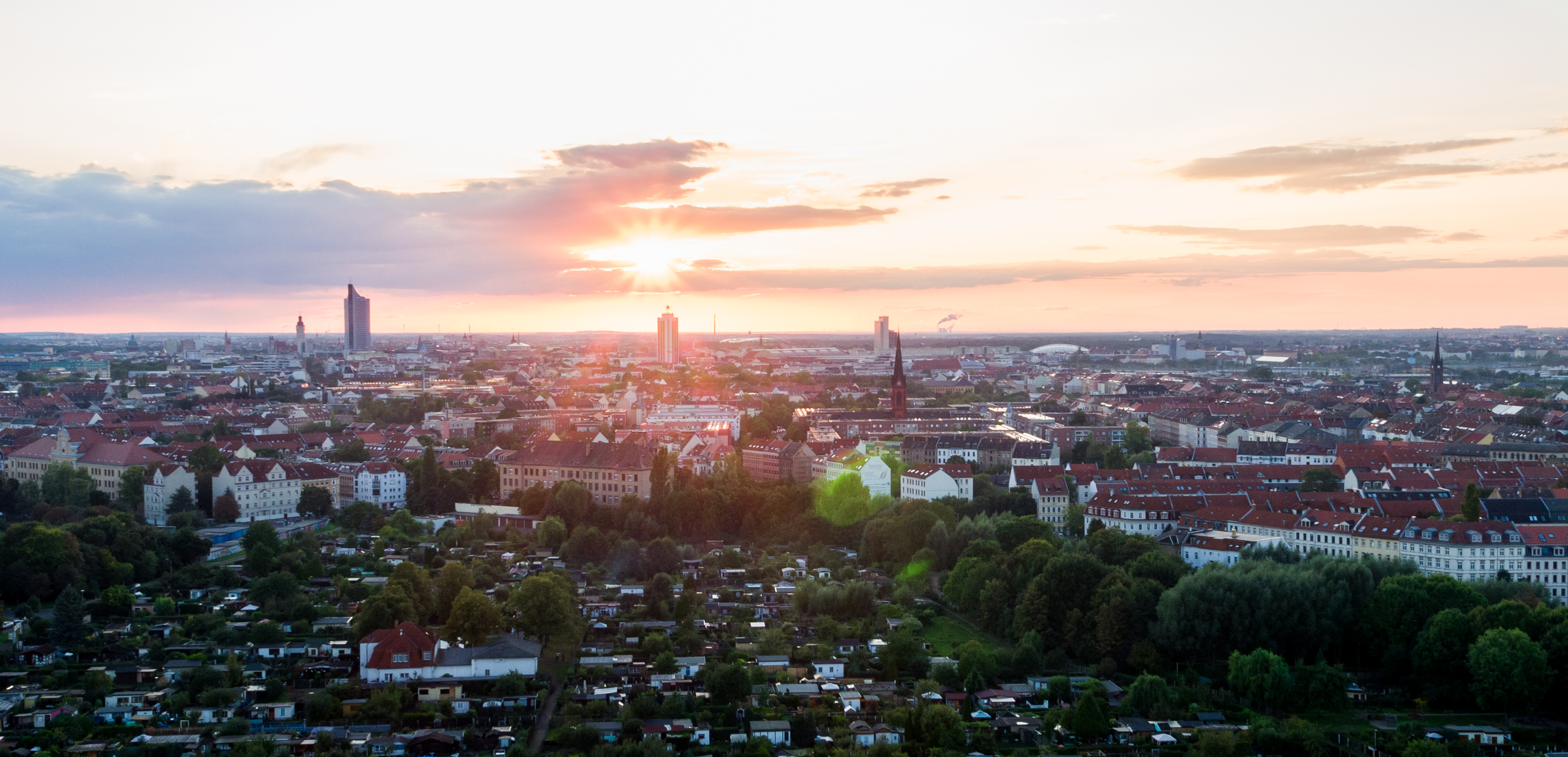
Leipzig has a way of surprising visitors who assume a city break here begins and ends within the old city walls. Beyond the cobbled lanes of the Markt and the hush of St Thomas Church, the region opens out into a landscape of flooded former mines turned swimming lakes, Renaissance castles set along the Mulde river, and cycle paths that carry you from café terrace to lakeside beach in under half an hour. It is a city built for people who want both the culture on the doorstep and the outdoors within easy reach.
Capri by Fraser Leipzig makes a fitting base for exploring both sides of the city, with apartments just a short walk from the main train station and within easy reach of the lakes, castles and neighbourhoods covered in this guide. Whether you are staying for a weekend or settling in for longer, having a central, well-equipped place to return to after a day outdoors makes it easier to see more of Leipzig than the usual sightseeing checklist allows.
Before heading further afield, it is worth spending unhurried time in the city centre itself, since much of what makes Leipzig distinctive sits within a compact, walkable core. The old town rewards slow exploration rather than a tick-list approach, and several of its landmarks connect directly to the wider story of the region, from the trade fairs that built the city's wealth to the composers who shaped its identity.
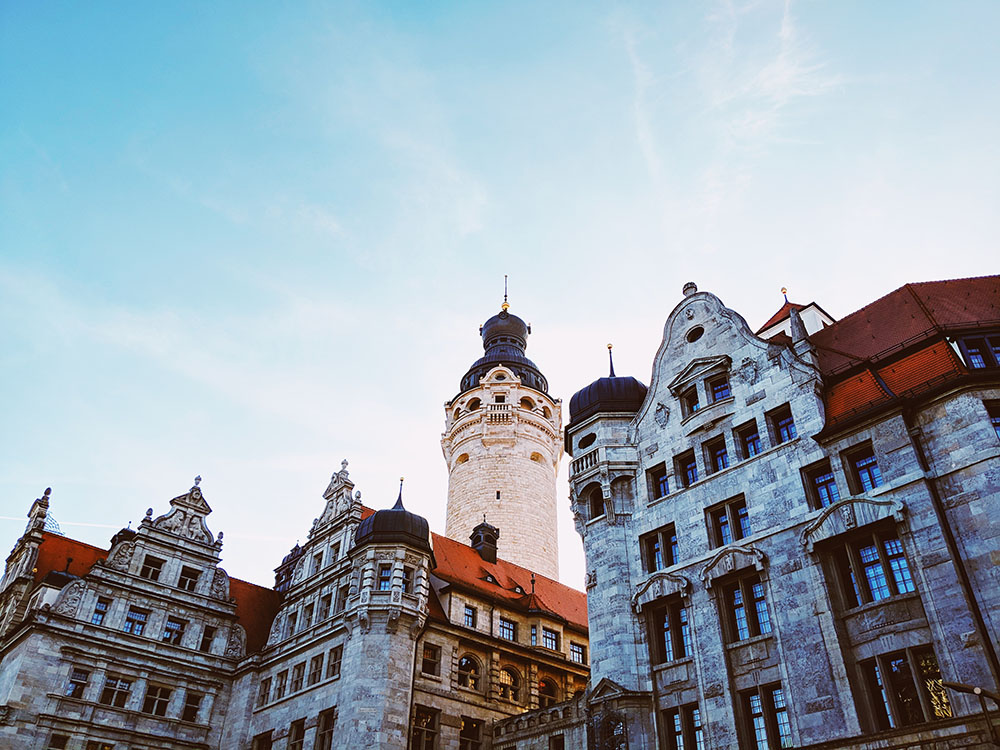
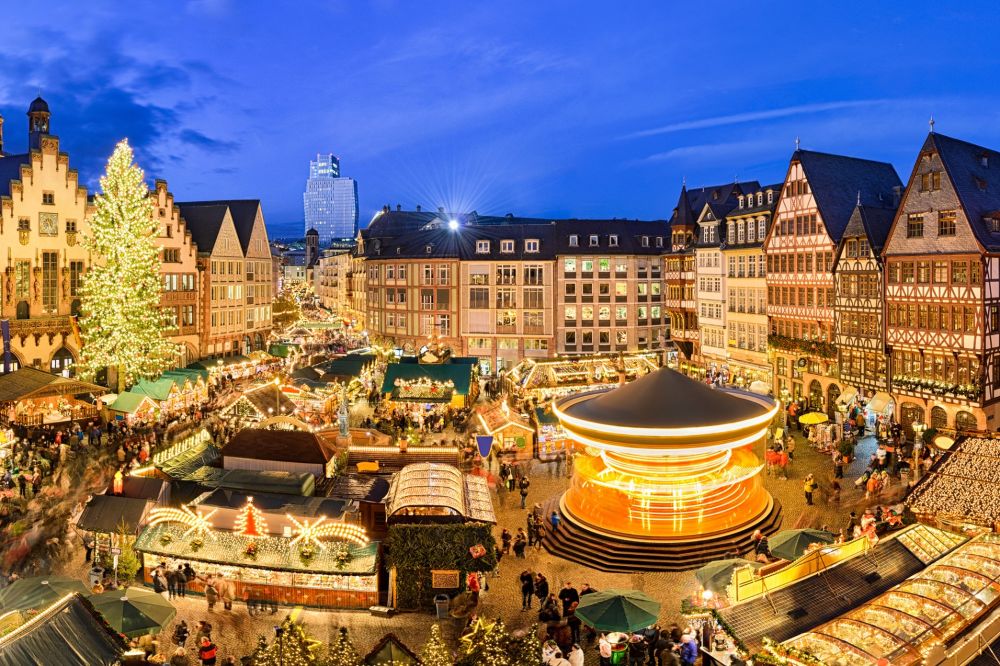
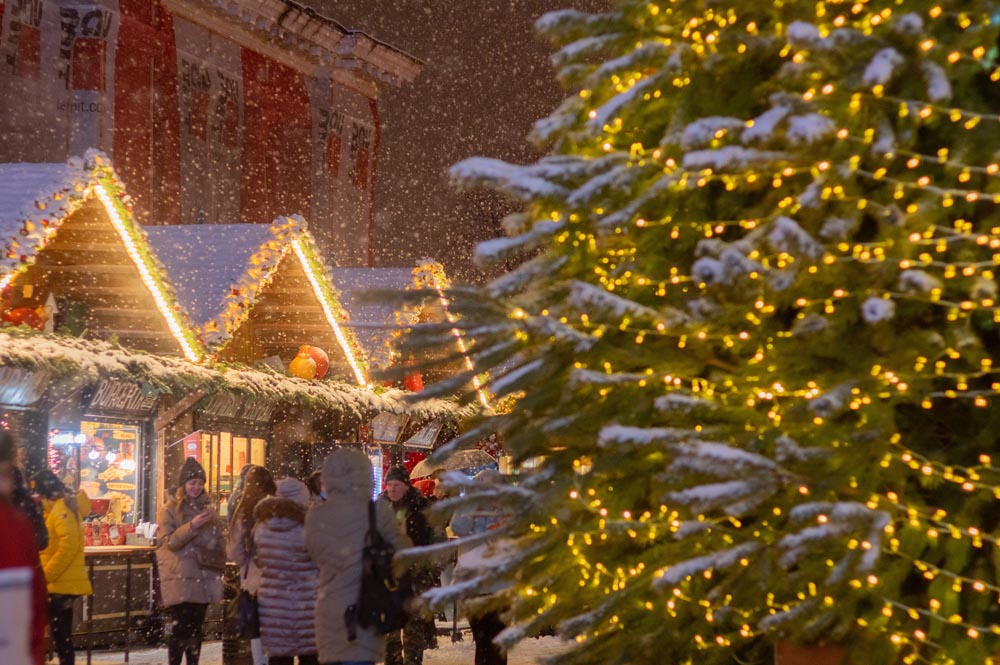
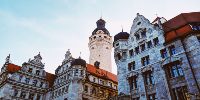
The Altes Rathaus, or Old City Hall, is one of the finest Renaissance buildings in Germany and has anchored the Leipzig Markt since 1556. Today it houses the Museum of City History, and the square in front of it still hosts the city's Christmas and Easter markets, drawing crowds to stalls selling mulled wine, gingerbread and handmade decorations each December. A short walk away, the Mädler-Passage shopping arcade is worth a detour for its glass roofing alone, and its basement is home to Auerbachs Keller, the restaurant made famous by its appearance in Goethe's Faust.
Augustusplatz, meanwhile, is where the city's grander architecture gathers: the Opera House faces the Gewandhaus concert hall across a wide, fountain-lined square that comes alive in the evenings when performances let out and the surrounding cafés fill up.
Leipzig's musical pedigree runs deep, and nowhere is that clearer than at the 12th-century Thomaskirche, where Johann Sebastian Bach served as choirmaster in the 18th century and where his tomb now lies in the nave. The nearby Bach Museum lets visitors look through original manuscripts and hear his compositions via interactive listening stations.
Felix Mendelssohn also made his home here, and the house where he lived his final years has been preserved as a small museum dedicated to his life and work. Together with the Gewandhausorchester, one of the oldest civic orchestras in the world, this cluster of sights explains why Leipzig still calls itself a city of music.
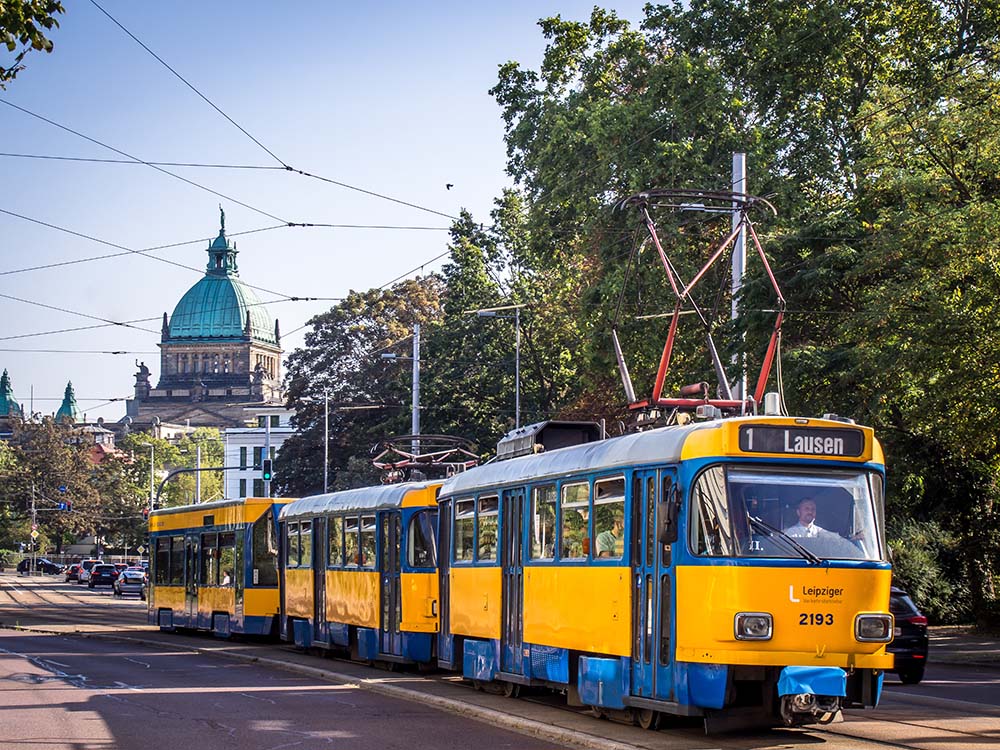
One of the city's most photogenic viewpoints, and a first glimpse of the lakes and countryside beyond it, the City-Hochhaus panorama tower offers an observation deck high above the rooftops. A short tram ride south, the Völkerschlachtdenkmal, or Monument to the Battle of the Nations, commemorates the 1813 battle that shaped the fall of Napoleon and remains one of the largest monuments in Europe. Visitors who climb
South of the city, a string of former lignite mines has been flooded and connected by canals and cycle paths to form what locals call the Neuseenland, or new lake district. It is one of the more unexpected things about Leipzig: within thirty minutes of the old town by bike, tram or S-Bahn, the scenery shifts entirely from historic streets to open water, sandy beaches and waterfront bars. Three lakes stand out from the rest, each suited to a different kind of day out.
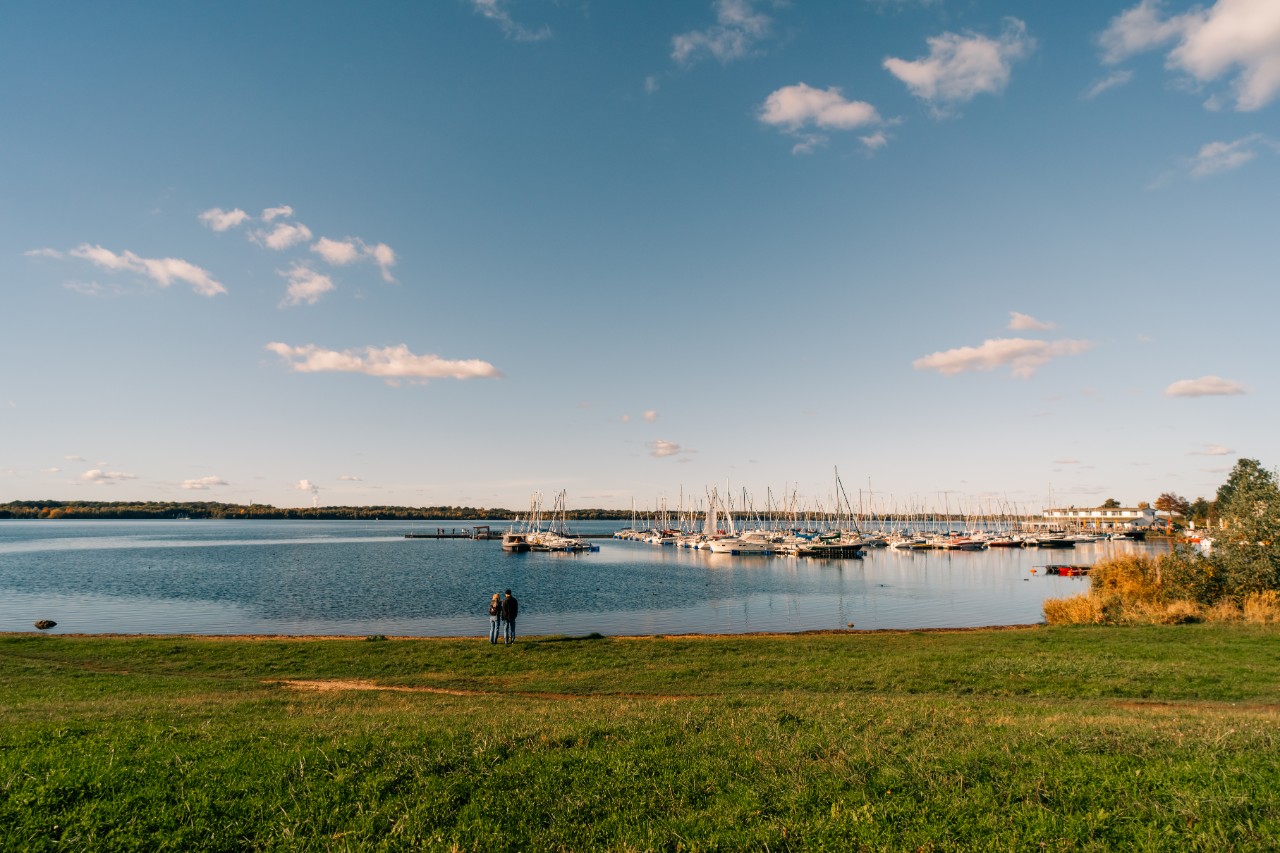
Cospudener See, nicknamed "Cossi" by locals, has Saxony's longest sandy beach and draws around 600,000 visitors a year. Its infrastructure is built for a full day out, with kitesurfing, windsurfing, scuba diving, stand-up paddling, a golf course and a lakeside sauna, along with cafés and a beach bar for anyone happy to simply watch the sailboats. It is reachable by tram from the city centre or via a flat, well-marked cycle path.
Markkleeberger See is one of the largest swimming lakes in Germany and sits closer to the Neuseenland's cluster of activity operators, including a cable wake park for surfing and wakeboarding without a boat. Its shallow, sandy stretches make it a popular choice for families, while sailing and stand-up paddling suit visitors after something more active.
Störmthaler See is the largest lake in the district and one of its quieter corners, known for a striking floating church built on a pontoon that hosts services and events through the summer months. West of the city, Kulkwitzer See draws a smaller, more local crowd and is particularly popular with divers exploring its clear, deep water. Both make a good alternative for visitors who want the lake district's scenery without Cospudener See's summer crowds.
Saxony's castle country begins just past the lake district, and the two pair naturally into a single day out for visitors with a car or willing to take a regional train. Unlike the lakes, most of these sites are best visited with some planning around opening hours, particularly outside the summer season.
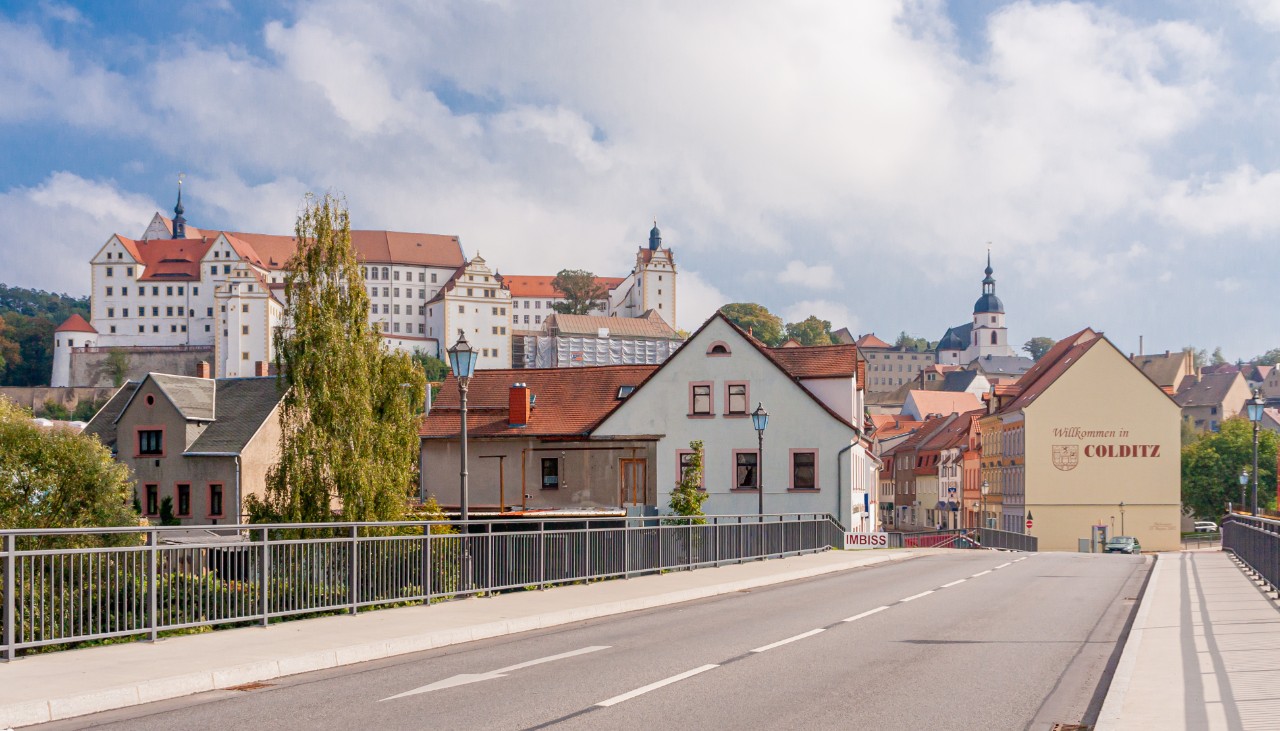
Colditz Castle is a Renaissance fortress that gained international fame as Oflag IV-C, a prisoner-of-war camp for Allied officers during the Second World War who had repeatedly escaped from other camps. Its museum today focuses heavily on this history, including recreated escape tunnels and personal accounts from former prisoners. It sits around 45 minutes from Leipzig by car, or a similar journey by regional train changing at Grimma.
With more than a thousand years of history, Rochlitz Castle sits above the Mulde river and has been linked over the centuries to German emperors, kings and Saxon electors. Its Romanesque and Gothic architecture has been carefully preserved, and the surrounding grounds make for an easy walk before or after a tour of the interior. It lies roughly 40 kilometres south-east of Leipzig.
Kriebstein Castle, near the town of Waldheim about an hour south-east of Leipzig, is often described as the most beautiful knight's castle in Saxony. Its late Gothic residential tower rises 45 metres from a cliff above the Zschopau river, and the building's completely preserved interiors give a rare sense of how the castle would have looked to its medieval residents
The lakes and castles covered here are close enough together to combine, but getting the most from a day out takes a little planning around transport and timing. A car gives the most flexibility, particularly for reaching the castles, some of which are not directly served by rail. For the lake district, Leipzig's S-Bahn and tram network reach several of the lakes directly, and a well-maintained network of cycle paths connects most of them to the city centre for anyone happy to spend part of the day in the saddle. Travellers keen to range further still often add Dresden or Weimar to the itinerary, both easily reached by regional train.
Timing matters more for the lakes than the castles: swimming season runs from May to September, though the beaches and paths are pleasant year-round. The castles run reduced hours over winter, so it's worth checking ahead before visiting between November and March. Comfortable shoes and a swimsuit if the season allows are the main things worth packing for a day that combines both.
Capri by Fraser Leipzig sits just moments from the main train station, making it a practical base whether the day ahead involves the old town or a longer trip out to the lakes and castles. Guests driving out to the Neuseenland or Saxony's castle country can make use of the property's secure, gated underground car park, while those relying on rail are within easy walking distance of connections heading south.
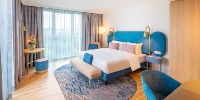
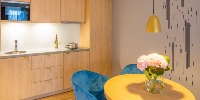
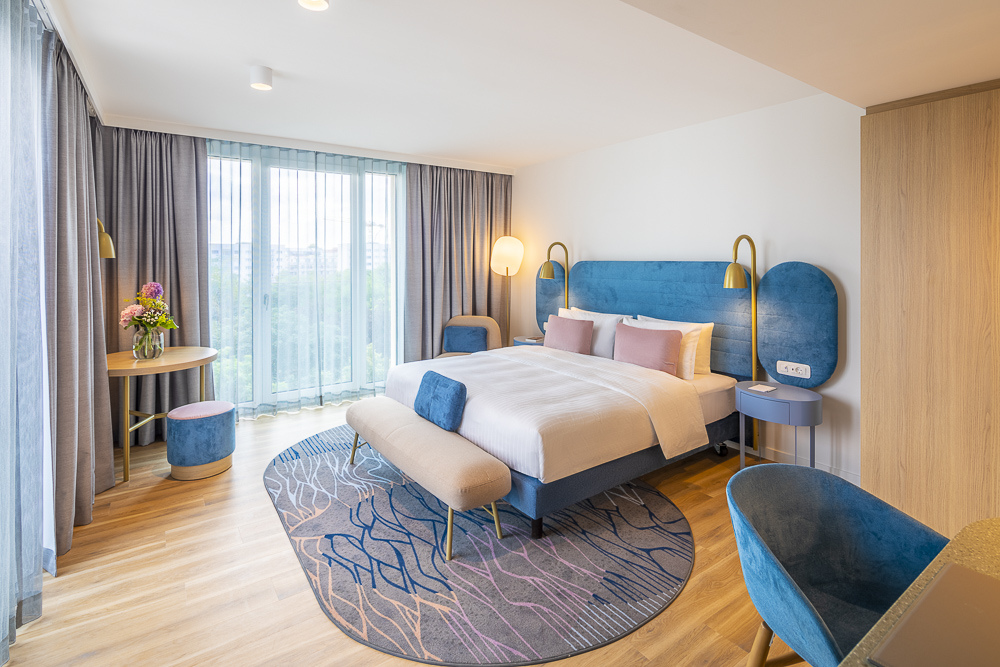
The apartments themselves are built for exactly this kind of stay: guests who want to come back from a day outdoors to more space than a standard hotel room offers. The One Bedroom Executive apartments give couples or small groups room to spread out after a day at the lake, while more compact studios suit shorter stays in the city centre.
For visitors planning to spend longer exploring Leipzig and its surroundings, the property's extended stay options make it easier to settle in properly rather than rushing between sights. Whatever the length of the trip, it's worth checking the property's current offers before booking, since rates and seasonal deals change throughout the year.
Yes. Capri by Fraser Leipzig has a secure, gated underground car park, which is useful if you are driving to the Leipzig lakes or exploring castles further into Saxony. A car can be particularly helpful for places such as Rochlitz and Kriebstein Castle, where public transport connections are less direct. If you would rather travel by train, Leipzig Central Station is also just a short walk from the property.
Störmthaler See is the one locals point to for looks. Its water is noticeably bluer and clearer than Leipzig's busier lakes, having kept more of its natural shoreline since the 721-hectare site, a former Espenhain lignite mine, was fully flooded by 2012 and opened to the public in 2014. Its centrepiece is VINETA, a floating church built in 2011 as a memorial to Magdeborn, a thousand-year-old village submerged when the mine was dug decades earlier. Cospudener See, with Saxony's longest sandy beach, is the more popular pick for a day out, but Störmthaler wins on beauty.
Not in the seaside sense, since Leipzig is landlocked, but Cospudener See alone draws around 600,000 visitors a year to its sandy beach, making the lake district a legitimate summer destination despite being nowhere near the coast.
Kriebstein Castle is the one most often singled out, carrying the reputation as the most beautiful knight's castle in Saxony. Its 45-metre tower rises above the Zschopau river near Waldheim, built from 1384 and reworked in Gothic style from 1465 under Arnold von Westfalen, the architect behind Meissen's Albrechtsburg. State-owned since 1993, it now runs as a museum with well-preserved interiors. Colditz Castle is the other name that comes up, better known for its wartime past as a POW camp, though its hilltop setting above the Mulde still earns it a spot on most itineraries.
That's Neuschwanstein, in Bavaria near Füssen. Built by King Ludwig II in the 1860s, it's the most visited castle in the country, drawing over a million visitors a year, and it's widely credited as the inspiration for Disney's fairy-tale castles.
The figure most commonly cited by the region's tourism board is over 20, spread across roughly 7,000 hectares of former mining land, with plans to connect closer to 24 lakes by canal and waterway by 2030.