15 April 2026
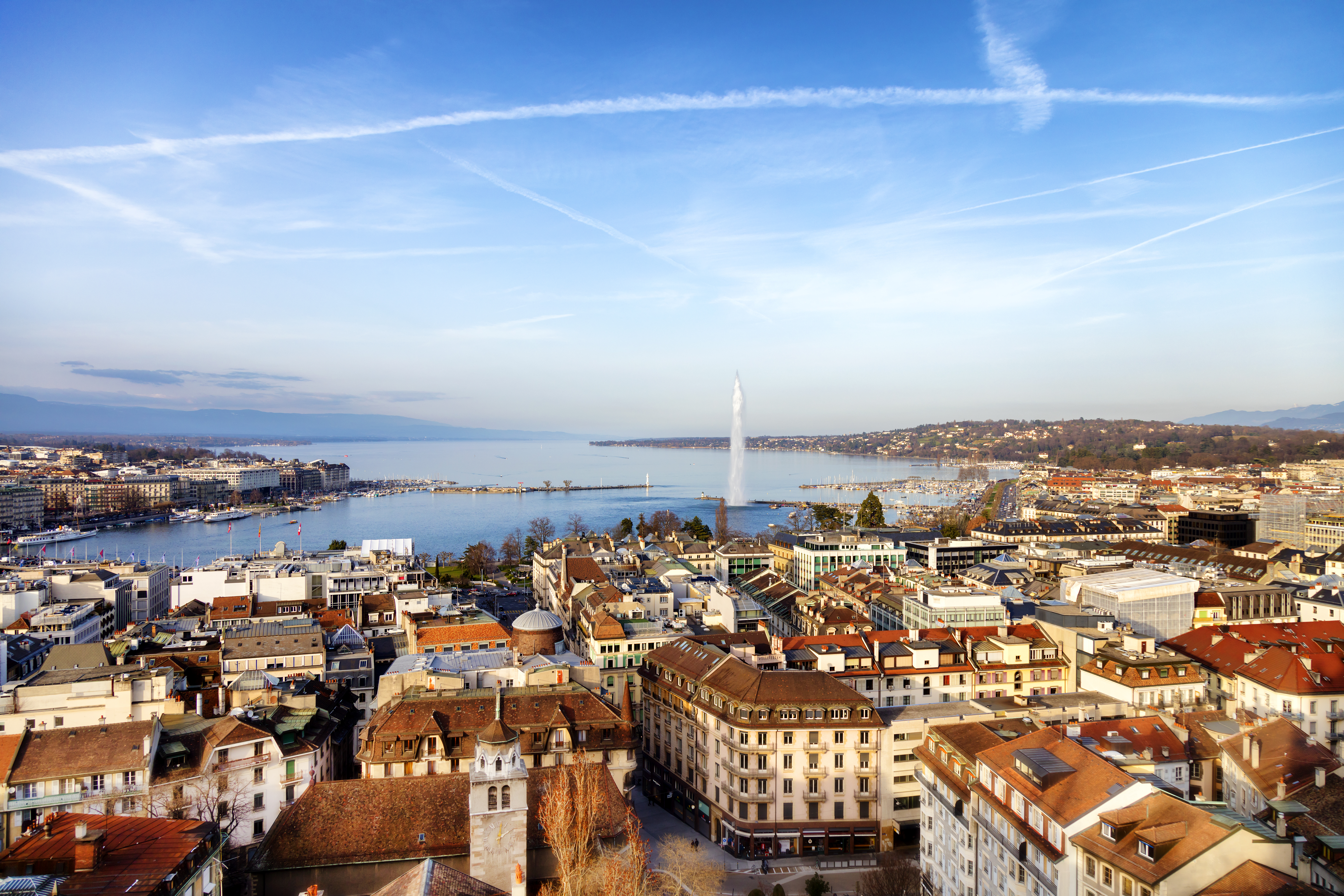
Few cities in Europe make it as easy to get into the mountains as Geneva. Look south on a clear morning and Mont Blanc is there on the horizon. Look north and west and the Jura ridgeline closes in the view. The city sits at the western tip of Lake Geneva with serious mountain hiking accessible in under thirty minutes and some of the most dramatic alpine terrain in Europe within a comfortable day trip. For guests arriving with walking boots and an early start in mind, the transport network from Cornavin station connects directly to all of it.
Fraser Suites Geneva is located in the heart of the city, close to Cornavin and well placed for every departure point in this guide. Browse accommodation options and current offers to plan your stay. This guide covers the essential hiking options from Geneva, from the closest mountain on the city's horizon to the longer day trips that reward an early start.
Ask any Geneva local about the mountain on the city's doorstep and they will point south to the Salève. It rises immediately across the French border, its ridgeline a constant presence above the city on clear days, and it is reachable in thirty minutes by bus and cable car. For guests staying at Fraser Suites Geneva, the direct bus ride is free thanks to the Geneva Transport Card offered with their stay, making it one of the easiest mountain escapes from the city. For visitors who want to get into the mountains without committing to a full day away from the city, it is the natural first choice.
The Salève cable car departs from Veyrier and lifts hikers to the plateau in minutes, where several marked trails spread out across the ridge. The most immediately rewarding short route follows the ridge south to the Panorama viewpoint, with Geneva and the lake laid out below on one side and the beginning of the Mont Blanc massif visible on the other. For those who want to earn the views from the valley floor, the Pas de l'Échelle trail climbs steeply along a historic route once used to connect Geneva to the mountain, with carved rock steps cut into the hillside in sections that give a sense of how long people have been making this journey. The full loop from the valley to the plateau and back takes around three hours at a moderate pace. The Bureau de la Montagne du Salève runs guided hikes on themed routes covering the mountain's fauna, flora, and heritage, which are worth considering for a first visit.
Salève rewards a visit in almost any season, though the steeper trails become slippery in wet conditions and some routes are unsuitable for young children. In summer, the views at sunset from the plateau, with Geneva's lights beginning to come up across the basin below, make an evening visit one of the more atmospheric things available within thirty minutes of the city. For visitors interested in seeing the mountain landscape in a different register, the guide to Geneva in winter covers how the surrounding area changes in the colder months.
The Jura range forms the long northern and western horizon of Geneva and offers a very different kind of hiking from the Alps that most visitors think of first. The terrain is broader and quieter: wide ridges, open pastures, mixed forests, and a sense of space that suits those wanting a full day in nature without the crowds that gather around the more famous alpine destinations. The closest peaks are reachable in thirty to forty minutes by car or by public transport, making the Jura a realistic choice for a full day out without an overnight stay.
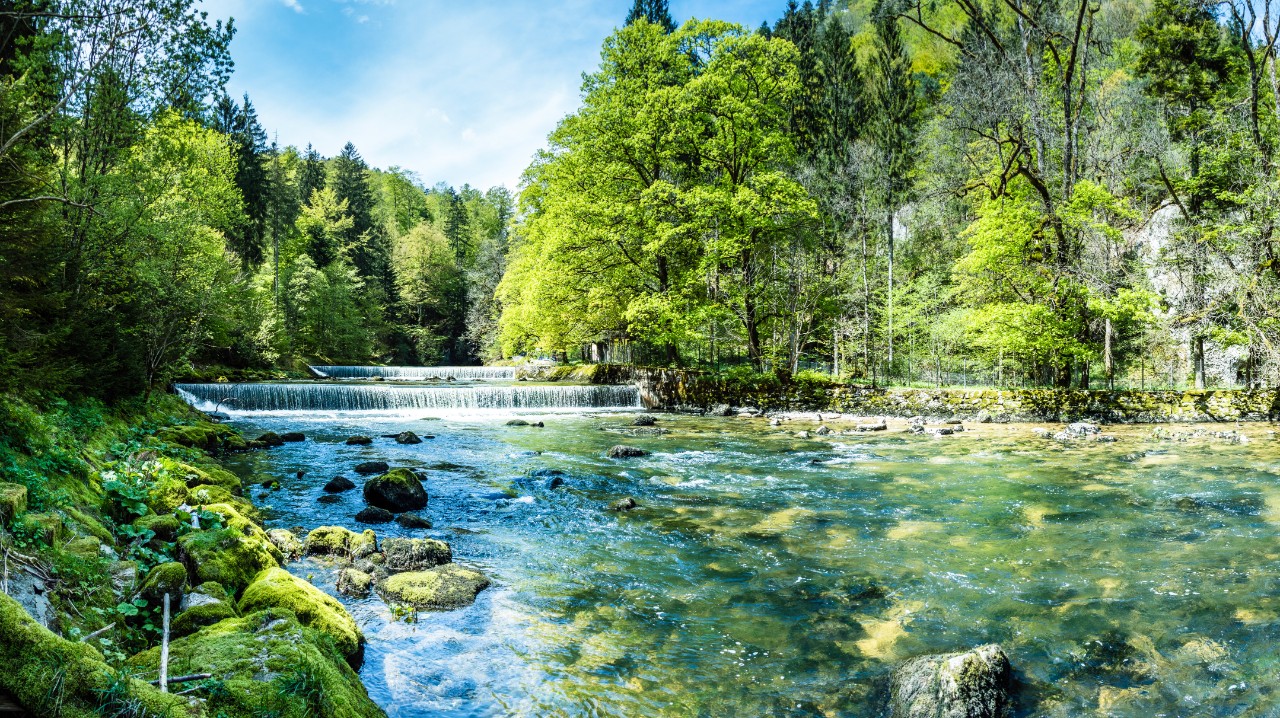
The most recognisable peak in the Swiss Jura as seen from Geneva, La Dôle is easy to spot on the horizon: look for the large white meteorological dome near the summit, visible from the city on clear days. The standard hiking route begins from St-Cergue, reachable by train from Cornavin on the Nyon–St-Cergue–Morez line, and follows the ridge trail north towards the summit through open alpine pastures. Standing at the top, the full arc of Lake Geneva spans below, with the Mont Blanc massif and the Bernese and Chablais Alps completing a panorama that offers a genuinely different perspective from any of the nearby summits. The loop trail takes around four hours and is manageable for most confident walkers.
The highest point in the Jura range, Crêt de la Neige sits just across the French border, around forty minutes from Geneva by car. The hiking route from Tiocan passes through the Haute Chaîne du Jura Natural Reserve, crossing alpine meadows and spruce forest before a steep final ascent to the summit ridge. On a good day the views reach Mont Blanc, and the sense of space from the top rivals anything the more frequented alpine routes offer. The full loop takes around five hours and is considered challenging, requiring reasonable fitness and appropriate footwear. The trailhead is most easily reached by car, though the TPG Y bus towards Thoiry provides a public transport option with a short walk to the starting point.
For those who want the full weight of the Alps, Chamonix is around an hour and fifteen minutes from Geneva by car or coach and represents a significant step up in scale and drama from the Jura or the Salève. This is some of the most celebrated alpine terrain in the world, and a day trip from Geneva gives enough time to take in the heights without needing to stay overnight.
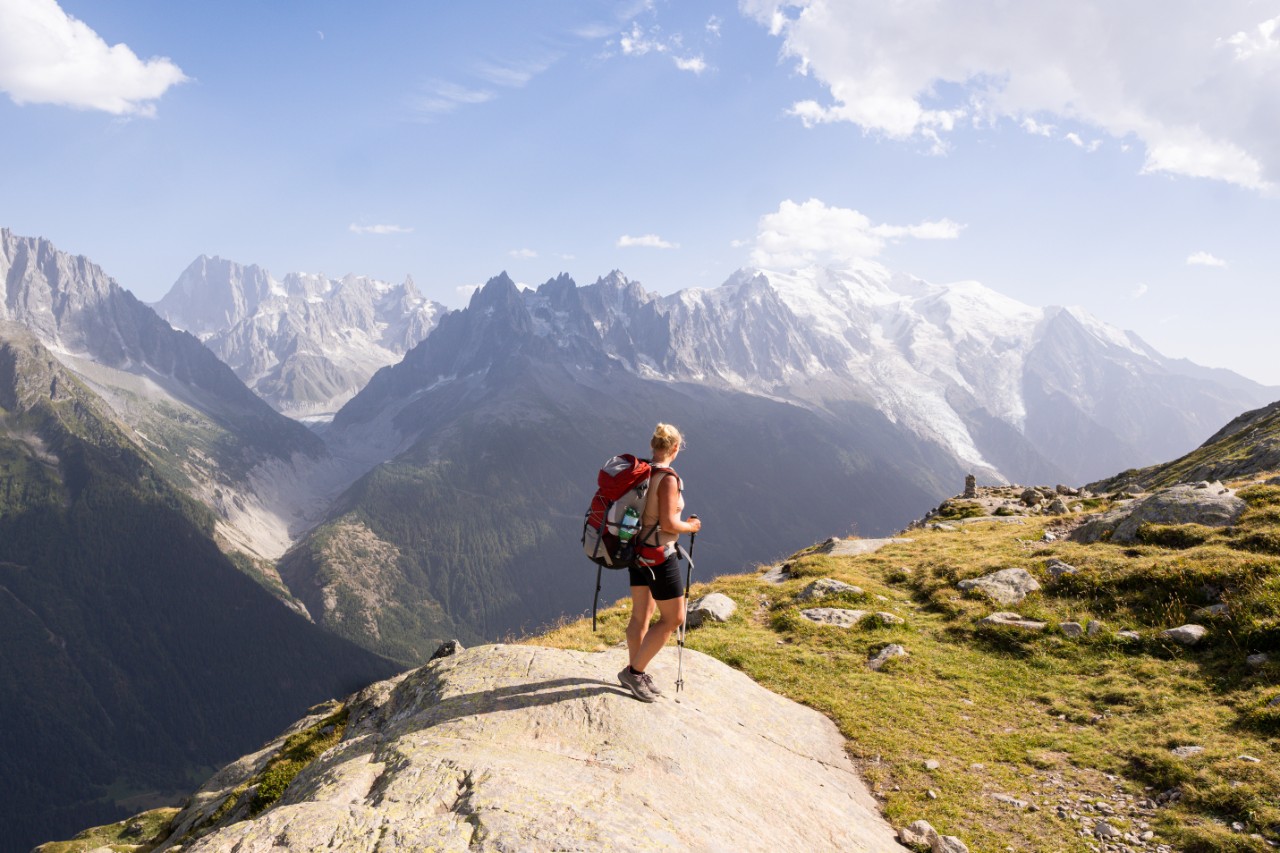
Chamonix sits at the foot of Mont Blanc and serves as the starting point for hiking routes that have drawn walkers from across Europe for generations. For a day trip from Geneva, the Aiguillette des Posettes is one of the most rewarding choices: a 9-kilometre loop from the Col des Montets that gains around 700 metres and follows a high ridge with unobstructed views of the Aiguilles Rouges range and the Mont Blanc massif across the valley. It takes around four hours and suits walkers of moderate fitness well. For those who want the mountain experience with less climbing, the Mer de Glace, accessible from Chamonix by the Montenvers mountain railway, is a glacier descending from the slopes of the Grandes Jorasses that can be reached entirely by train. Buses run regularly between Geneva and Chamonix, and the Geneva Skiing guide covers the broader winter and mountain offer in the Chamonix valley in more depth.
Not every mountain day trip from Geneva needs to involve a long walk to be worthwhile. Rochers de Naye above Montreux is one of the most rewarding options reachable entirely by public transport, and the journey itself is a significant part of the appeal. Montreux is forty-five minutes from Geneva by train, and from Montreux station a vintage cogwheel railway climbs to the summit at 2,042 metres in around fifty-five minutes, the views of Lake Geneva expanding with every hundred metres of altitude gained.
At the top, the panorama stretches from the Eiger to Mont Blanc with Lake Geneva spread below. Marked hiking trails fan out from the station, ranging from a short summit loop of around ninety minutes to longer descents to lower train stops. The most popular option is to take the train to the summit and hike down to Haut-de-Caux, picking up the railway again for the return to Montreux. The cogwheel railway runs year-round, though the hiking trails are best from late May to October. The Swiss Travel Pass covers much of the journey cost, and the Ultimate Travel Guide to Geneva has further practical information on transport passes and getting around the region.
A few things are worth knowing before heading out on any of these routes. Most destinations are accessible by public transport, which makes a car unnecessary for the majority of hikes and significantly easier to manage if you are planning multiple day trips during a stay. Trail conditions vary considerably by season: the higher Jura and alpine routes are best from June to October, while Salève is walkable year-round. Layers are sensible even in summer, since alpine weather changes quickly and the temperature at altitude is always lower than it is in the city. The Swiss hiking network is exceptionally well marked throughout, with colour-coded route signs distinguishing easy walks (yellow) from mountain hikes (white-red-white), which makes navigation straightforward even without a detailed map.
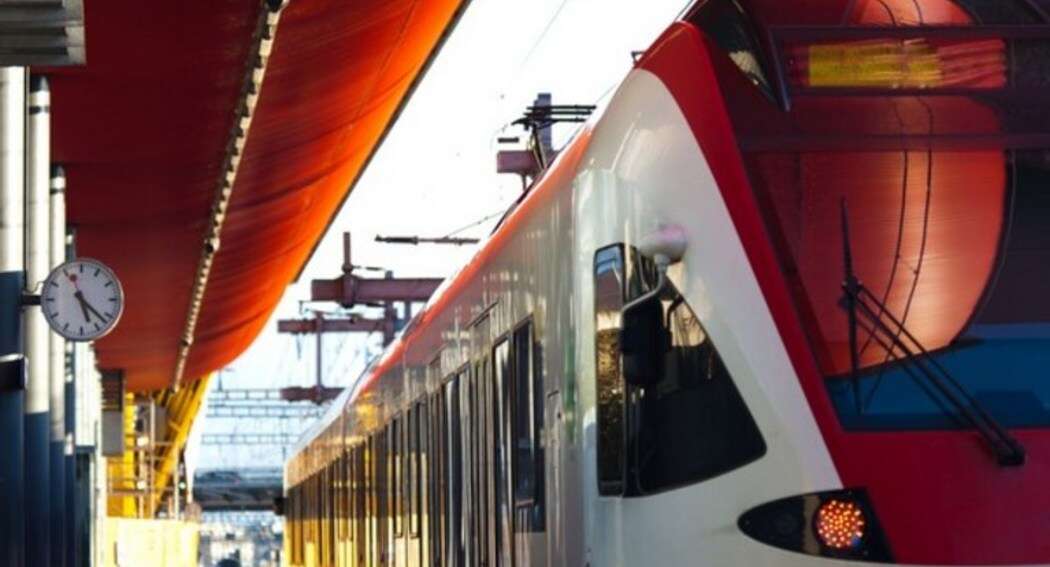
Fraser Suites Geneva is centrally located close to Cornavin train station, which serves as the departure point for trains to Montreux, Nyon, and the broader Swiss rail network connecting to Chamonix. Bus connections for Salève and the Jura peaks leave from the city centre within walking distance of the property.
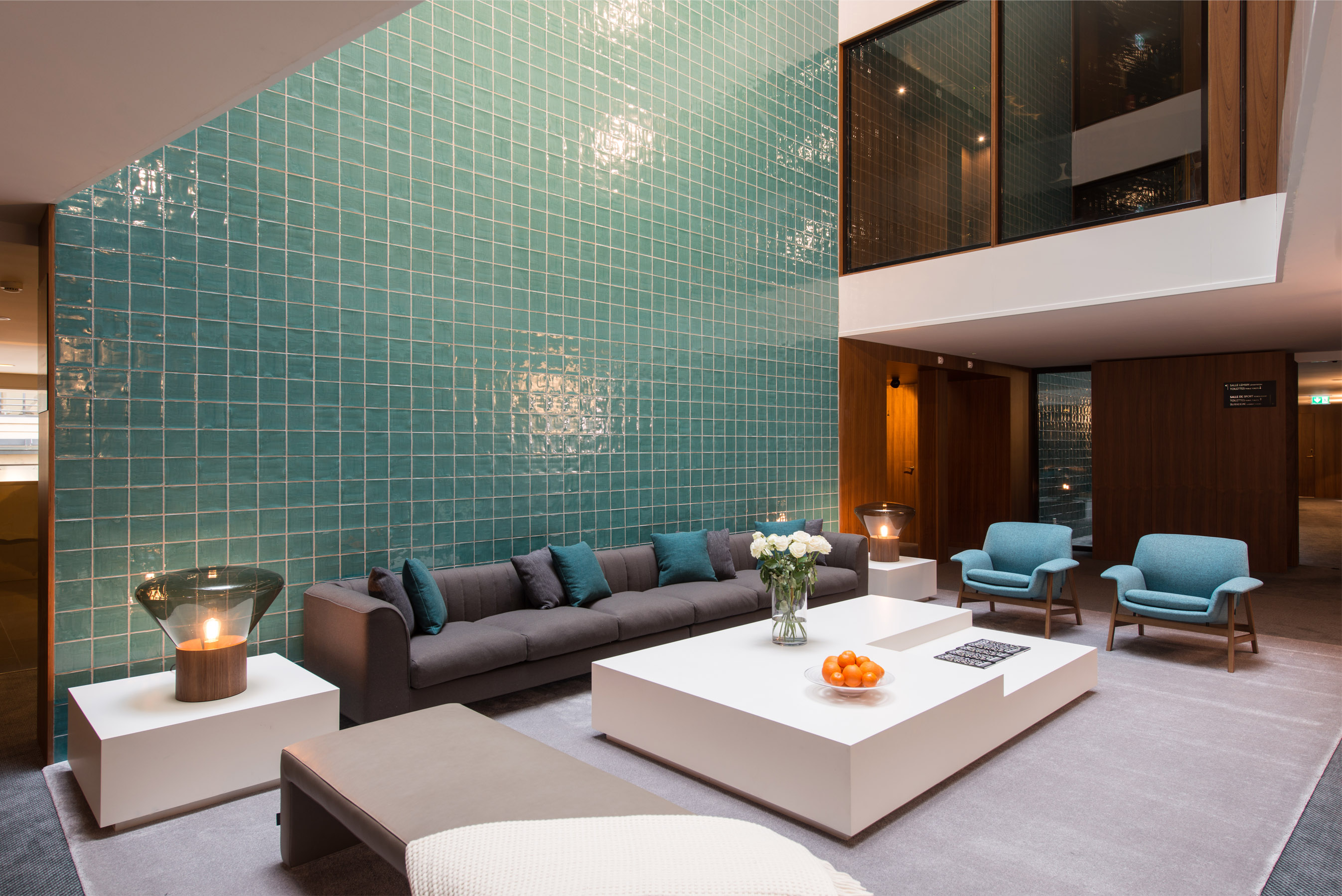
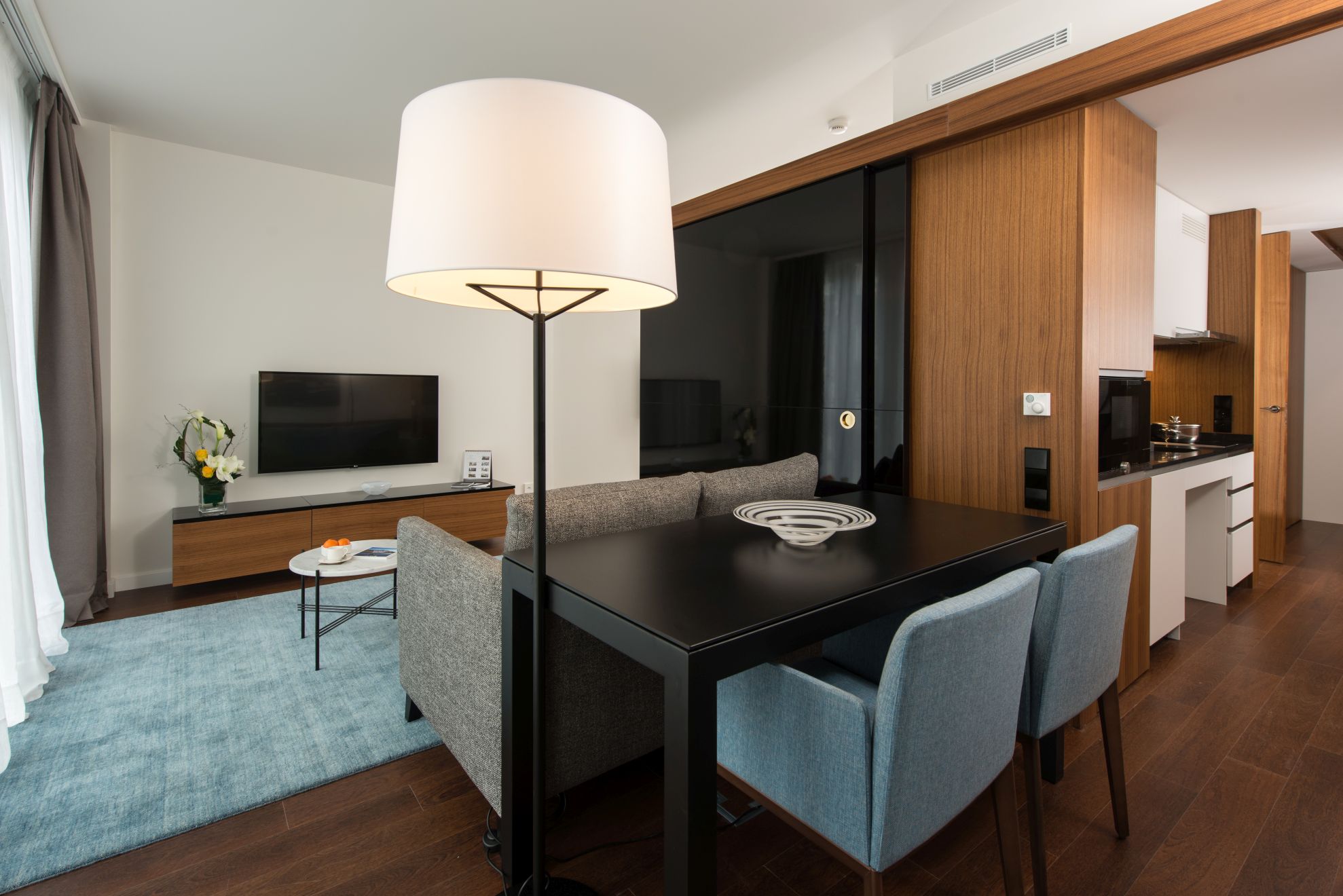
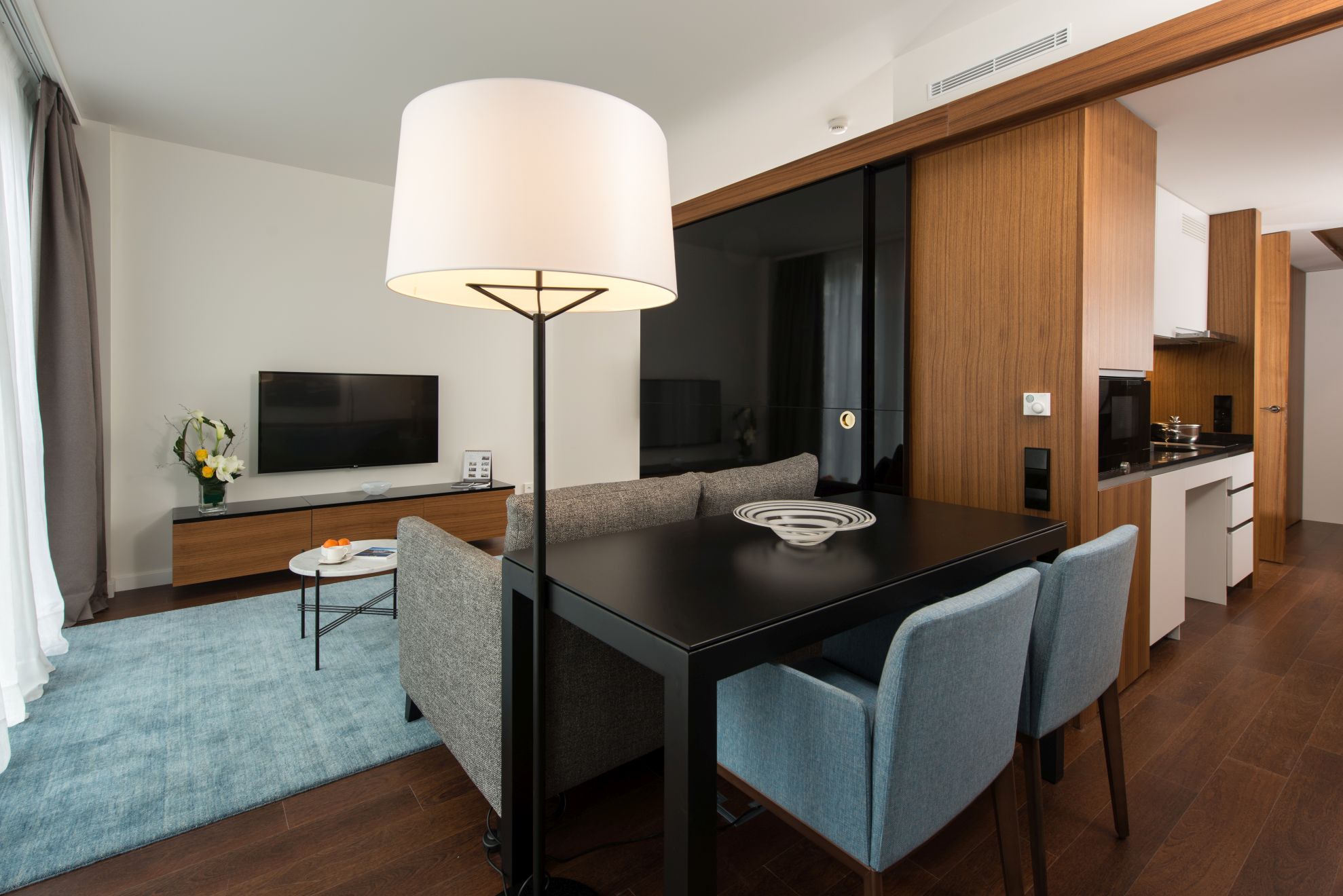
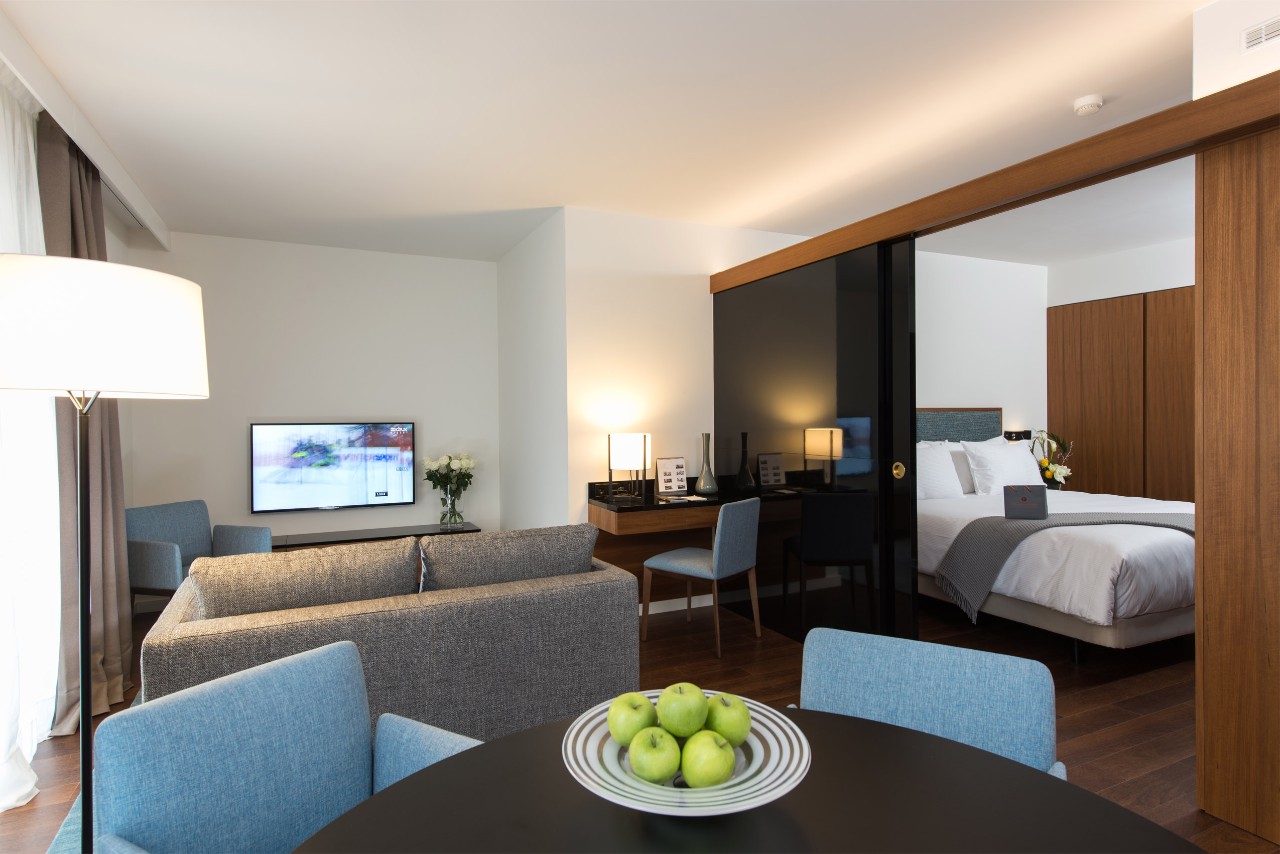
Accommodation ranges from studios to a 90 sqm two-bedroom connecting suite, all fully furnished with equipped kitchenettes, separate living areas, and daily or weekly housekeeping. The kitchenette is genuinely useful for hiking trips: putting together a packed lunch at the property before an early departure is considerably more practical than relying on mountain cafes, several of which have limited hours outside of peak summer. For guests planning a longer stay to work through the full range of day hiking options across the Jura and Alps, extended stay options are available. View current offers to plan your stay.
Mont Salève is the most accessible, reachable in thirty minutes and rewarding on its own terms with panoramic views of Geneva, the lake, and the Alps without requiring a full day away from the city. For a more committed full-day hike with exceptional views, La Dôle in the Swiss Jura is reachable by public transport from Cornavin and offers a perspective of the region that most visitors never get to. Chamonix, around an hour and fifteen minutes by road, is the choice when you want the full scale of the Alps and are prepared to earn it.
Yes, and several of the best options are easier by public transport than by car. Mont Salève is reachable by city bus to the cable car at Veyrier. La Dôle requires a train from Cornavin to St-Cergue on the Nyon–St-Cergue–Morez line. Rochers de Naye needs a train to Montreux and then the cogwheel railway to the summit. Chamonix is served by regular coach departures from Geneva bus station. The Swiss Travel Pass reduces costs significantly across all of these and is worth considering for anyone planning more than one day trip during their stay.
The main hiking season runs from late May to October, when the higher trails are clear of snow and the mountain facilities are open. Summer from June to August gives the longest days and the widest range of accessible routes, including the highest alpine terrain. Autumn from September to October is particularly good for the Jura, with cooler air, better visibility, and the colour of the forests adding something to the experience. Salève can be walked year-round, though the steeper routes become challenging in wet or icy conditions. The guide to Geneva in summer covers the broader outdoor offer during the peak season.
By car via the A40 motorway it is approximately one hour and fifteen minutes. By coach it is around one hour and thirty minutes. The Chamonix Bus service runs regular departures from Geneva bus station throughout the day during the summer hiking season, and several operators run guided day trip excursions that combine transport with a mountain activity, which can be a practical option for first-time visitors who want to make the most of the day.
A proper fondue, a plate of Rösti, or a Swiss cheese board all make a strong case for themselves after a day in the mountains, and Geneva has no shortage of places to find any of them done well. The guide to traditional Swiss food covers the key dishes and the best places to find them in and around the city.

Contact Us
Rue de la Rôtisserie 3-5, 1204 Geneva, Switzerland