

05 January 2026
Living in London offers an experience unlike any other UK city. As a global capital, London blends historic landmarks with modern business districts, world-class culture and an unmatched diversity of neighbourhoods. For professionals, families and international relocators alike, the city presents opportunity, energy and constant reinvention.
That said, moving to London also requires careful planning. From understanding the cost of living to choosing the right area and navigating a competitive housing market, settling into life in the capital comes with both rewards and challenges. This guide explores what living in London is really like, helping you make informed decisions before and after your move.
London is fast-paced, ambitious and constantly evolving. It is home to global industries such as finance, technology, media and the creative arts, attracting talent from around the world. At the same time, London retains a strong sense of heritage, with royal parks, historic streets and cultural institutions woven into everyday life.
Daily expenses add up quickly too. For instance, monthly travel passes for the London Underground, and buses cost around £138 for central zones. Dining out is another expense to consider, with a meal at a mid-range restaurant averaging around £20-£30 per person. Although these costs can be substantial, understanding the budget for essentials will allow prospective residents to plan their lifestyle in advance.
The cost of living in London is one of the most important considerations for anyone planning a move. Compared to other UK cities, London is significantly more expensive, particularly when it comes to housing. However, costs vary widely depending on location, lifestyle and commuting choices.
Rent is typically the largest monthly expense. Central areas command premium prices, while outer neighbourhoods often offer more space and better value. Beyond housing, residents should budget for utilities, council tax, transport, groceries and leisure.
When estimating living expenses in London, a single professional can expect monthly costs in the region of £2,500 to £3,000, depending on accommodation and lifestyle. Transport is relatively predictable thanks to London’s fare-capped public transport system, while food and entertainment costs can be adjusted to suit different budgets.
While London’s expenses are higher than elsewhere in the UK, many residents find the city’s career prospects, infrastructure and lifestyle justify the investment.
Moving to London comes with a learning curve, and some of the most useful insights are the ones people only pick up after a few weeks of living here. Beyond the obvious admin, small practical decisions can make day-to-day life significantly easier.
Here are some things many Londoners say they wish they had known before moving:
These practical insights often make the biggest difference when settling into life in London, helping new residents feel confident and comfortable more quickly.
Despite its scale, London offers a high quality of life for many residents. The city boasts extensive green spaces, including Hyde Park and Regent’s Park, providing welcome balance to urban living. Cultural amenities are unmatched, with museums, galleries and theatres accessible year-round.
Public services are strong, with the NHS providing healthcare and a wide range of educational institutions across the city. While work-life balance can be challenging in a fast-paced environment, many residents find that London’s variety allows them to tailor their lifestyle accordingly.
London’s public transport network makes living across a wide geographical area practical. The Underground, buses, Overground and Docklands Light Railway connect most parts of the city, with contactless payments and travel caps helping residents manage costs.
National rail links also make it easy to travel beyond London, whether commuting from neighbouring counties or exploring other parts of the UK.

Living in London means having year-round access to major cultural events. Highlights include the Notting Hill Carnival, Wimbledon, the London Film Festival and seasonal celebrations across the city. New Year’s Eve fireworks along the Thames are a particularly iconic moment in London’s calendar, drawing residents and visitors together.

Deciding where to live in London often comes down to how you plan to spend your time.
London’s diversity means there is no single “right” place to live, only the area that best suits your needs at a particular stage of life
Choosing the best areas to live in London depends largely on lifestyle priorities, budget and commuting needs. Each part of the city offers something different, from vibrant urban hubs to quieter residential neighbourhoods.
Central districts such as Kensington and Westminster appeal to those seeking proximity to cultural attractions, parks and major business areas. These locations are among the most expensive but offer exceptional convenience.
East London neighbourhoods like Shoreditch and Canary Wharf attract professionals drawn to creative industries, modern developments and strong transport links. This area balances urban energy with rapidly improving residential options.
South London areas such as Greenwich are popular with families thanks to green spaces and community atmosphere, while North London locations like Clapham combine neighbourhood charm with easy access to the city centre.

For those relocating to the capital, finding permanent accommodation can take time. Many people choose a flexible, fully serviced option while they explore neighbourhoods and secure long-term housing.
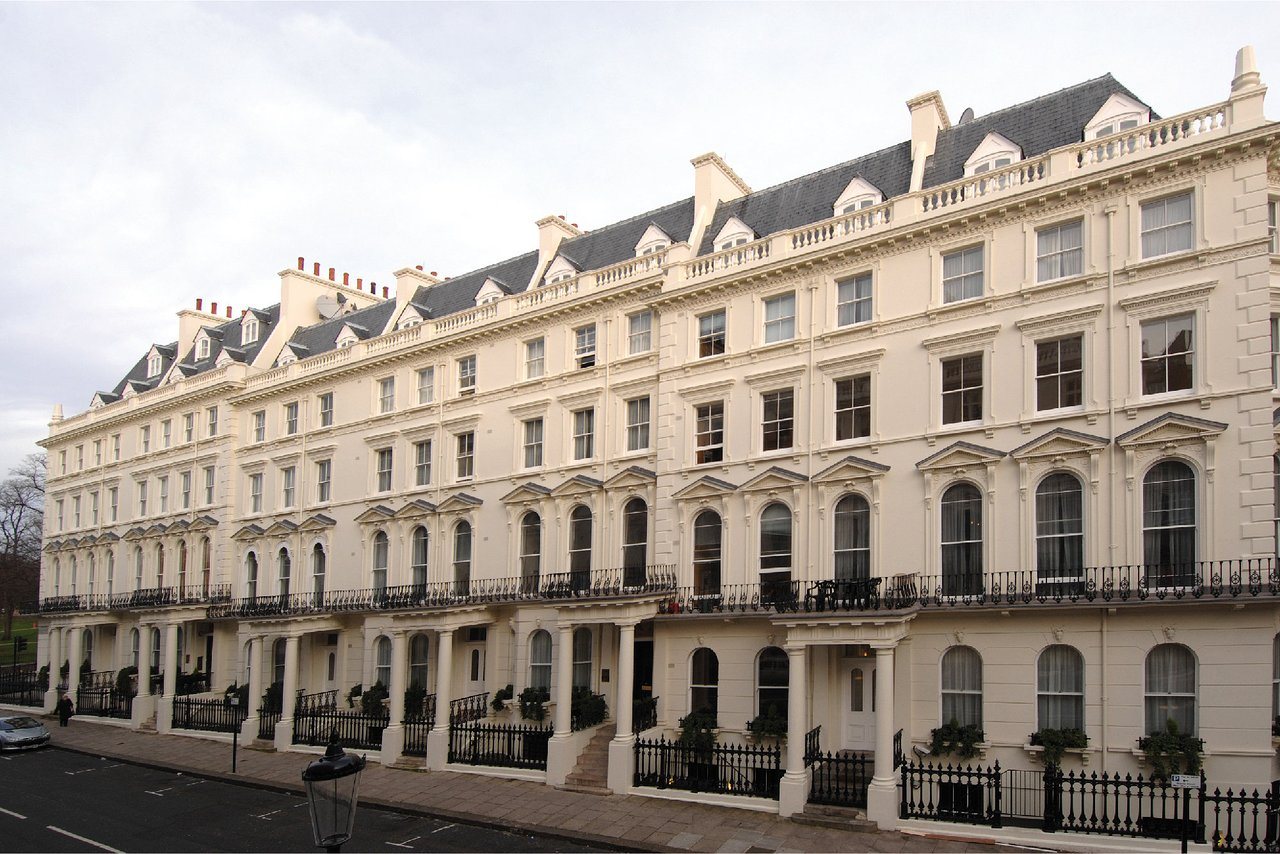
Fraser Residence Prince of Wales Terrace provides an ideal long-stay base in one of London’s most desirable central locations. The residence offers spacious, fully furnished apartments with dedicated living, dining and working areas, making it well-suited to extended stays.
On-site amenities include a 24/7 fitness centre, high-speed Wi-Fi, air conditioning and dedicated guest services, allowing residents to settle into London life comfortably and confidently. With Hyde Park, cultural landmarks and excellent transport links nearby, it offers both convenience and a sense of home during the transition period.

Yes, living in London offers excellent career opportunities, world-class culture and access to high-quality public services. The city is known for its diversity, green spaces, museums, entertainment and global business presence. However, the cost of living in London is higher than in most UK cities, and the fast-paced lifestyle may not suit everyone. For those seeking long-term professional growth and variety, London remains one of the most attractive cities to live in.
The cost of living in London England is among the highest in the UK. A single person typically spends around £2,500 to £3,000 per month, depending on rent, location and lifestyle. This usually includes housing, transport, utilities, groceries and basic leisure. Central London areas are significantly more expensive, while outer zones can offer lower rental costs with longer commute times.
The best areas to live in London depend on your priorities. Central neighbourhoods like Kensington offer proximity to landmarks and business districts, while East London areas such as Shoreditch and Canary Wharf appeal to professionals seeking modern developments and nightlife. Families often prefer areas like Greenwich or Clapham for green space, schools and community feel.
Living in central London offers convenience, shorter commutes and access to cultural attractions, but comes with higher rent and living costs. Outer London areas generally provide more space and lower housing costs, balanced against longer travel times. The best choice depends on budget, lifestyle and work location.






Contact Us
2-14 Prince of Wales Terrace, London W8 5PE
Stay in Touch
Become a member for exclusive offers and latest news.