

07 July 2026
Berlin carries the memory of the Wall with it all year round, and nowhere more visibly than at the Berlin Wall Memorial on Bernauer Strasse, where a preserved stretch of the border still stands exactly as it did in 1989. This guide walks through what the Wall was, how it fell, and what remains of it today, from the Memorial itself to the landmarks scattered across the city that still carry its history.
Exploring all of this is easiest with a base close to the centre of it, and Capri by Fraser Berlin puts you within easy reach of the Memorial, Checkpoint Charlie and the Brandenburg Gate alike, with serviced apartments suited to a short city break or a longer stay. Whether you're spending an afternoon at Bernauer Strasse or building a full day around the Wall's former path, here's everything worth knowing before you go.
The Berlin Wall was constructed on 13th August 1961, by the German Democratic Republic (GDR) to separate East Berlin from West Berlin, symbolising the broader division between the communist East and the capitalist West during the Cold War. This stark division physically and metaphorically split Berlin, creating profound social, economic, and political rifts.
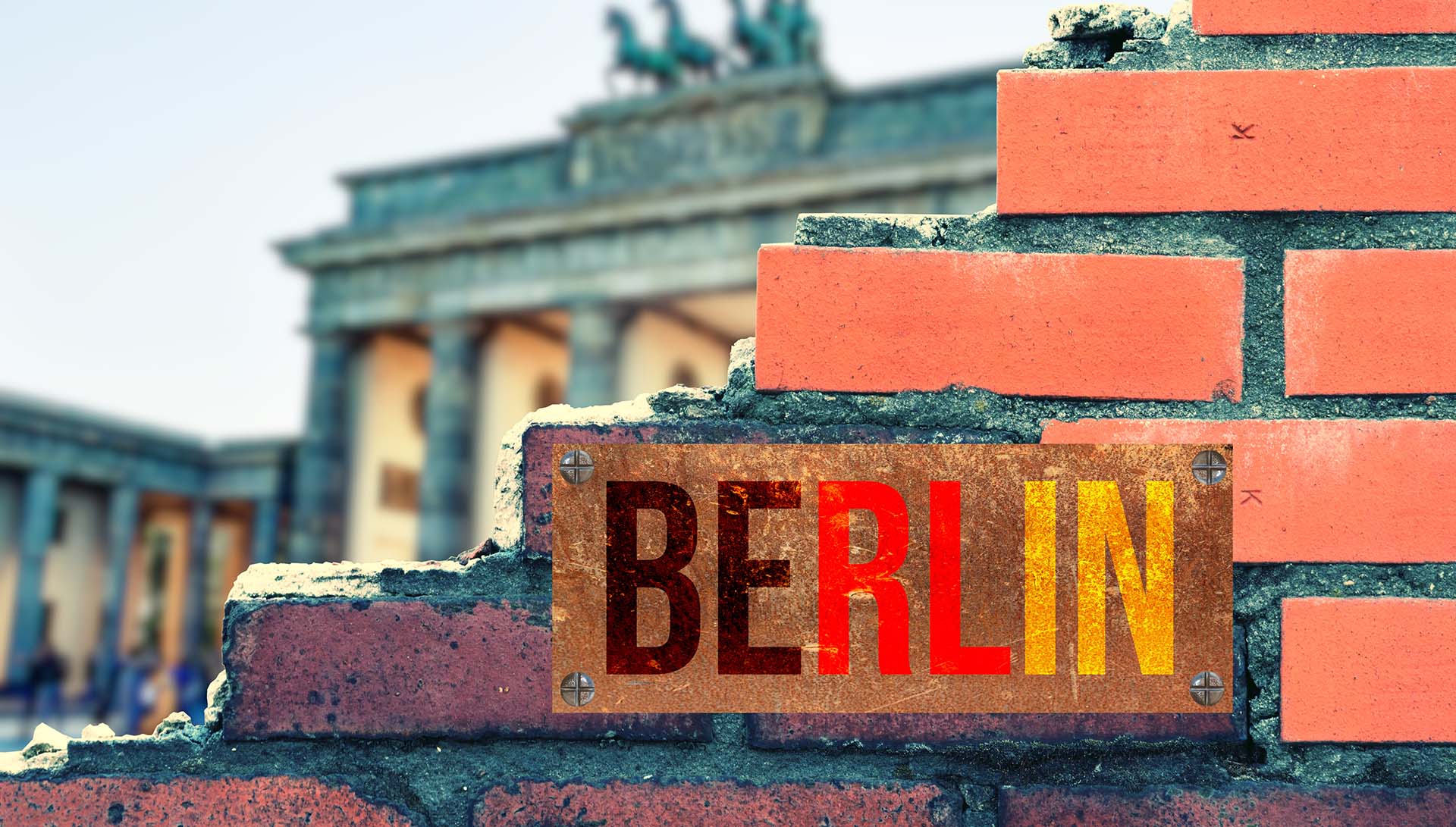
Life on either side of the Berlin Wall was drastically different. East Berliners lived under a communist regime with restricted freedoms, while West Berliners enjoyed a capitalist lifestyle with greater personal and economic liberties. Numerous daring and tragic escape attempts over the Wall highlighted the desperation and determination of East Berliners seeking freedom. Even the city's most famous landmark wasn't spared: the Brandenburg Gate stood trapped in the no-man's land directly behind the Wall for nearly three decades, visible from both sides yet reachable from neither, until it finally reopened as the Wall came down in 1989.

Today, the Berlin Wall remains a powerful symbol of division and reunification, drawing millions of tourists to its remnants each year. Visitors can explore the Berlin Wall Memorial, which offers a poignant glimpse into the past, and witness the vibrant street art at the East Side Gallery.
The wall’s historical significance and the stories of those who lived through its existence make it a must-visit destination for anyone interested in understanding Berlin's complex history.
Experience the history of Berlin, especially in November, with commemorative events that mark the anniversary of the fall of the Berlin Wall. Located near U-Bahn stations like Stadtmitte and Französische Straße, Capri by Fraser Berlin serviced hotel apartments offers convenience and comfort at the heart of the city, making it effortless to explore the sights and sounds of Berlin.
After exploring the Berlin Wall Memorial and other landmarks, our studio apartments offer more than just a place to stay—they provide a sanctuary with floor-to-ceiling windows offering city vistas, modern furnishings, and convenient kitchenettes.
On-site facilities such as a launderette, 24/7 gym, restaurant, and bar offer the utmost convenience of home.
For those needing a business meeting or conference, our meeting rooms and business centre with high-speed Wi-Fi ensure productivity and convenience on your bleisure trip to Berlin.
Capri by Fraser Berlin is your ideal base whether you're visiting for the Berlin Wall anniversary or planning an extended exploration of Berlin. Book directly on our website to secure the best rates and uncover exclusive offers for your Berlin adventure.
The Berlin Wall fell on the night of 9th November 1989, just over 28 years after it was first built in August 1961.
The Wall didn't come down out of nowhere. Pressure had been building across East Germany for months: in August, hundreds of East Germans had already slipped across the border during the Pan-European Picnic in Sopron, Hungary, and Hungary formally opened its borders to East German refugees the following month. Inside East Germany itself, the Monday demonstrations in Leipzig grew steadily larger through September and October, culminating in more than a million people demonstrating in Berlin on 4th November. Longtime GDR leader Erich Honecker resigned on 18th October under pressure from his own party, replaced by Egon Krenz, but the change in leadership did little to ease the demand for reform.
It was against this backdrop that Günter Schabowski walked into a press conference on the evening of 9th November that would end up bringing the Wall down within hours.
On this historic evening, Gunter Schabowski, an East German government official, made a surprising announcement at a press conference, that those who wanted to relocate permanently could do so through all the border checkpoints between the East and West of Germany, including West Berlin. The news was originally set to be a gradual change, however when a reporter, Riccardo Ehrman asked Schabowski when the regulations would take effect, the replay was "As far as I know, it takes effect immediately, without delay."
This became the lead story between 7 and 8pm on the two main news programs in West Germany, who since 1950, had broadcast to nearly all of East Germany. That night, anchorman Hanns Joachim Friedrichs proclaimed, “This 9th November is a historic day. The GDR has announced that, starting immediately, its borders are open to everyone. The gates in the Wall stand open wide.”
This led to citizens on both sides flocking en masse to the Berlin Wall by 9pm. Borders guards were initially confused and unprepared to face the overwhelming crowds but allowed citizens to cross and by 11pm, Harald Jager, the commander of the Bornholmer Strasse border crossing, let the guards open the checkpoints, allowing people to pass without their identities being checked.
The fall of the Berlin Wall marked a pivotal moment in history, symbolising the end of the Cold War and the beginning of Germany's reunification. It profoundly influenced Berlin's culture, arts, and community, transforming the city into a vibrant, unified metropolis. The event catalysed the collapse of communist regimes across Eastern Europe, reshaping global geopolitics and fostering a new era of international relations.

Explore some of Berlin's significant sites along the historic Berlin Wall, including:
Once a key border crossing between East and West Berlin during the Cold War, remains an iconic symbol of the era. It is featured in many spy novels and films like James Bond. Today, Checkpoint Charlie serves as a major tourist attraction with historical displays, and the adjacent Wall Museum fills in the detail behind them, from ingenious escape attempts to the stories of those who made them.
The Berlin Wall Memorial spans 1.4km along Bernauer Strasse and commemorates the division of Berlin and the victims of the Wall. It includes original sections of the Berlin Wall, watchtowers, and an open-air exhibition, cared for today by the Berlin Wall Foundation, which also runs the site's visitor centre.
The East Side Gallery is a 1.3km stretch of the Berlin Wall adorned with murals painted by artists worldwide, celebrating freedom and unity. Details on the murals and the artists behind them are kept by the Berlin Wall Foundation's visitor information.

Hohenschönhausen Memorial was a former Stasi prison used to detain political prisoners during the GDR era. It now serves as a museum, providing guided tours, often led by historians and former prisoners themselves, and offering insights into the site's chilling history. The memorial's foundation, Stiftung Berlin-Hohenschönhausen, keeps current tour times and booking details on its own site, worth checking before you plan a visit.
The Potsdamer Platz Watchtower is one of the few remaining watchtowers that guarded the Berlin Wall during the GDR era. Today, it offers a glimpse into the past surveillance methods used by East Germany. It's currently boxed in behind protective hoarding while conservation work continues nearby, so for now it's best appreciated from the outside.
Once sealed off in the death strip between East and West, the Brandenburg Gate is now Berlin's most recognisable symbol of reunification. It sits a few kilometres from the Berlin Wall Memorial, an easy S-Bahn journey away, making the two a natural pair to visit on the same day.

Berlin offers a diverse range of experiences for every traveller, whether exploring as a couple, with family, or solo. Here's what you can enjoy:
For a comprehensive guide to exploring Berlin year-round, including more insider tips and must-visit attractions, check out 20 best things to do in Berlin. Plan your autumn adventure with our Ultimate Guide to Visiting Berlin in Autumn, offering a detailed itinerary of seasonal activities and events while highlighting the enchanting charm of Berlin in November.

The best time to visit the Berlin Wall is in November, especially around the anniversary as Berlin shines with commemorative events at the Berlin Wall Memorial. Mornings tend to be quieter than afternoons, particularly at Bernauer Strasse and Checkpoint Charlie, both of which draw coach groups later in the day. The outdoor memorial grounds have no shelter, so it's worth dressing for the weather rather than counting on ducking indoors, and if the Documentation Centre or Visitor Centre is part of your plan, note that both are closed on Mondays.
The best way to see the Berlin Wall is by walking or cycling tours, which allow you to explore its historical significance at your own pace. For a deeper dive, the Berlin Wall Trail (Mauerweg) traces the former border's entire 160km route around the city, largely on foot or by bike, and can be tackled in short, self-contained stretches rather than all at once. Most visitors don't attempt the whole trail; even walking a single section, such as the stretch near Bernauer Strasse, gives a much clearer sense of how the border actually cut through the city than a single site alone can.
The anniversary of the fall of the Berlin Wall is on 9th November and 2024 marks the 35th anniversary of this historic event. The day is typically marked with wreath-laying and memorial services at the Berlin Wall Memorial, alongside evening events at the Brandenburg Gate, where crowds have gathered on past anniversaries to mark the moment the border opened. It's a working day in Germany rather than a public holiday, so the city carries on as normal around the commemorations rather than shutting down for it.
Surprisingly little. The Wall originally ran for around 155km encircling West Berlin, but only around 3km of the original structure survives today, most of it was demolished within months of reunification, and pieces of it were sold or gifted to museums, universities and collectors as far afield as the CIA and the Vatican. What remains is concentrated in a handful of places: the Berlin Wall Memorial on Bernauer Strasse preserves the most complete stretch, including the death strip itself, while the East Side Gallery holds the longest single section. Elsewhere in the city, a double row of cobblestones set into the pavement is often the only trace left of where the Wall once stood.