
11 March 2026
Berlin has a way of expanding to fill whatever time you give it. A long weekend reveals the landmarks and a handful of the neighbourhoods; a week begins to uncover the particular rhythms of a city that operates differently from other European capitals; and a stay of a month or more opens up something closer to an understanding of how Berlin actually lives. The question of how long to stay is not straightforward, and the answer tends to depend on what kind of visit you are planning. But the city rewards longer stays disproportionately, and the infrastructure for extended living in Berlin is unusually well developed.
This guide covers the practical considerations for stays of different lengths, what each duration allows you to do and see, and how Capri by Fraser Berlin on Museum Island, with studio and one-bedroom apartments designed for stays of any length, provides the kind of flexible, fully serviced base that makes a longer stay in Berlin considerably more comfortable and better value than a conventional hotel.
The honest answer is that three nights is the minimum, five to seven nights is more appropriate for a first proper visit, and anything beyond that starts to unlock a version of the city that most visitors never reach. Berlin's scale and the dispersal of its best experiences across a wide geography mean that a two-night stay produces a rushed and necessarily selective version of the city. Below is a practical breakdown of what each duration realistically allows.
Three to four nights is enough for the historical core: the Brandenburg Gate, the Reichstag, Museum Island, Checkpoint Charlie, the Berlin Wall Memorial, and a walk through the Mitte district. It also allows an evening in one neighbourhood beyond the centre, most naturally Prenzlauer Berg or Kreuzberg. This is a compressed but coherent introduction to Berlin's history and culture, and covers the sites that carry the city's defining narrative most directly.
Five to seven nights allows the visit to breathe. In addition to the historical landmarks, a week in Berlin accommodates a full day on Museum Island across multiple museums, an afternoon exploring the street art and independent food scene of Kreuzberg or Neukölln, a river cruise on the Spree, an evening in the Prater Biergarten in Prenzlauer Berg, and enough time to move between the city's different neighbourhood characters without feeling that each one is a rushed stop on an itinerary. For most first-time visitors to Berlin, a week is the duration that produces the most complete and least pressured experience of the city.
Two weeks allows the kind of exploration that starts to feel like living rather than visiting. The quieter neighbourhoods, the independent galleries, the canal-side cafés of Kreuzberg, the market culture at Mauerpark and the Boxhagener Platz flea market, the western districts of Charlottenburg and Schöneberg: all of these become available when the pressure of a fixed departure date is further away. Two weeks also allows for day trips: Potsdam and the Sanssouci Palace is a half-day by S-Bahn, and the surrounding region offers landscapes and historical sites that complement the city visit significantly. The coolest neighbourhoods in Berlin guide covers what each district offers for those wanting to move beyond the obvious itinerary.
A month in Berlin is a different kind of experience from a visit of any shorter duration. The city's size, its relatively low cost of living compared to London or Paris, and its well-developed infrastructure for longer-term residents make it one of the most practical European cities for an extended stay. Monthly rates for serviced apartments are considerably lower per night than short-break equivalents, and the ability to cook, do laundry, and establish a daily routine rather than living entirely out of restaurants and hotel services changes the quality of the experience fundamentally. For business travellers on project assignments, academics, or slow travellers wanting to properly understand a European capital, a month in Berlin repays itself in depth of experience that a shorter stay cannot produce.
Several characteristics of Berlin make it particularly well suited to longer stays, beyond the simple appeal of having more time in an interesting city.
Berlin remains one of the most affordable major European capitals for day-to-day living. Eating and drinking well costs considerably less than in comparable cities, public transport is efficient and inexpensive, and the density of free cultural institutions, including the permanent collections of the Pergamon, the Alte Nationalgalerie, and the Topography of Terror, means that a culturally rich day in Berlin can be structured around very little expenditure. For longer stays, this translates into a materially better value experience than an equivalent stay in London, Paris, or Amsterdam.
Berlin is a city of distinct neighbourhoods, each with its own character, food scene, and cultural offer. A short stay is barely enough time to register the differences between Mitte, Prenzlauer Berg, Kreuzberg, and Charlottenburg. A longer stay allows those differences to accumulate into a coherent understanding of how the city is actually composed. Spending a morning in the summer culture of Berlin along the canal in Kreuzberg is a different city from the grand museum quarter of Museum Island, and both are different again from the residential streets of Neukölln on a Sunday morning. Berlin's breadth is its most distinctive quality, and a long stay is the only way to access it properly.
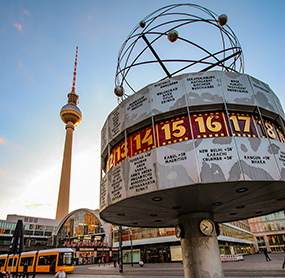
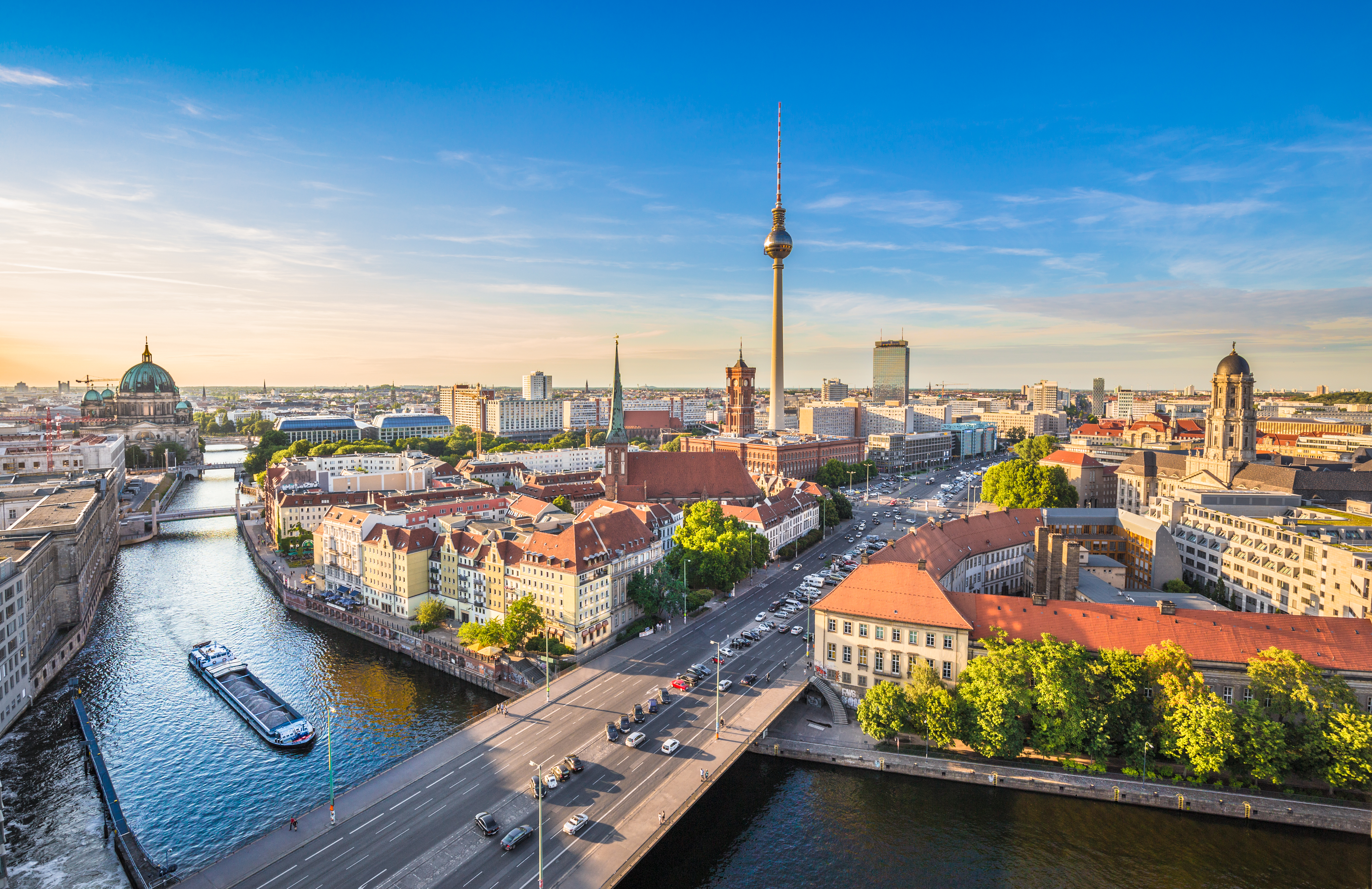
Berlin's public transport network is comprehensive and reliable. The U-Bahn, S-Bahn, tram, and bus network covers the city efficiently, with Alexanderplatz serving as the primary transport hub and connecting to every major district. For longer stays involving regular travel to other German cities or European destinations, Berlin's main train station and two airports provide straightforward connections. The position of Capri by Fraser Berlin near Alexanderplatz means that the entire city is accessible from the property within a short journey by public transport.
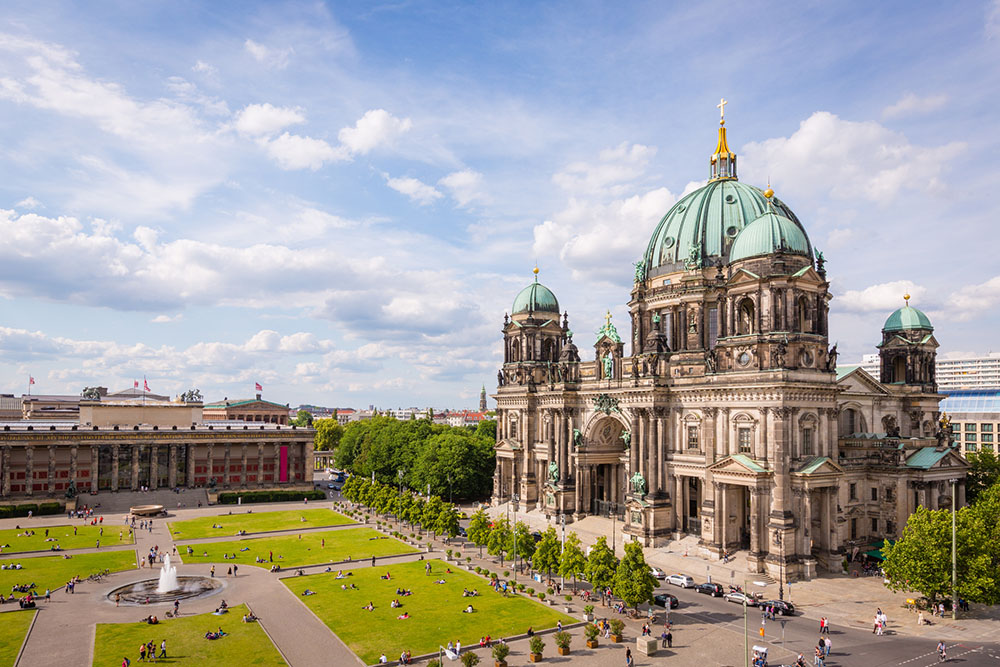
Museum Island alone contains five major museums, each requiring a full day to explore properly. The Pergamon Museum's ancient world collections, the Neues Museum's Egyptian holdings including the bust of Nefertiti, and the Alte Nationalgalerie's 19th-century collection collectively represent a cultural programme that cannot be compressed into a weekend. Beyond the museums, Museum Island sits within a broader district of galleries, historic buildings, and waterways that reward repeated visits across a longer stay in a way that a single afternoon visit does not allow.
Planning a long stay in Berlin involves different practical questions from booking a short break. The most important are accommodation type, location, and the facilities that make daily life manageable over a longer period.
For stays beyond a week, a serviced apartment provides a significantly better experience than a hotel room. The ability to cook independently reduces daily costs substantially, particularly for extended stays where restaurant meals every day become both expensive and repetitive. Laundry facilities, a proper work desk, and a separate living area make the space liveable rather than merely functional. For business travellers on longer assignments, the ability to host small meetings or take calls in a private living space rather than a hotel bedroom changes the quality of working life on the road considerably.
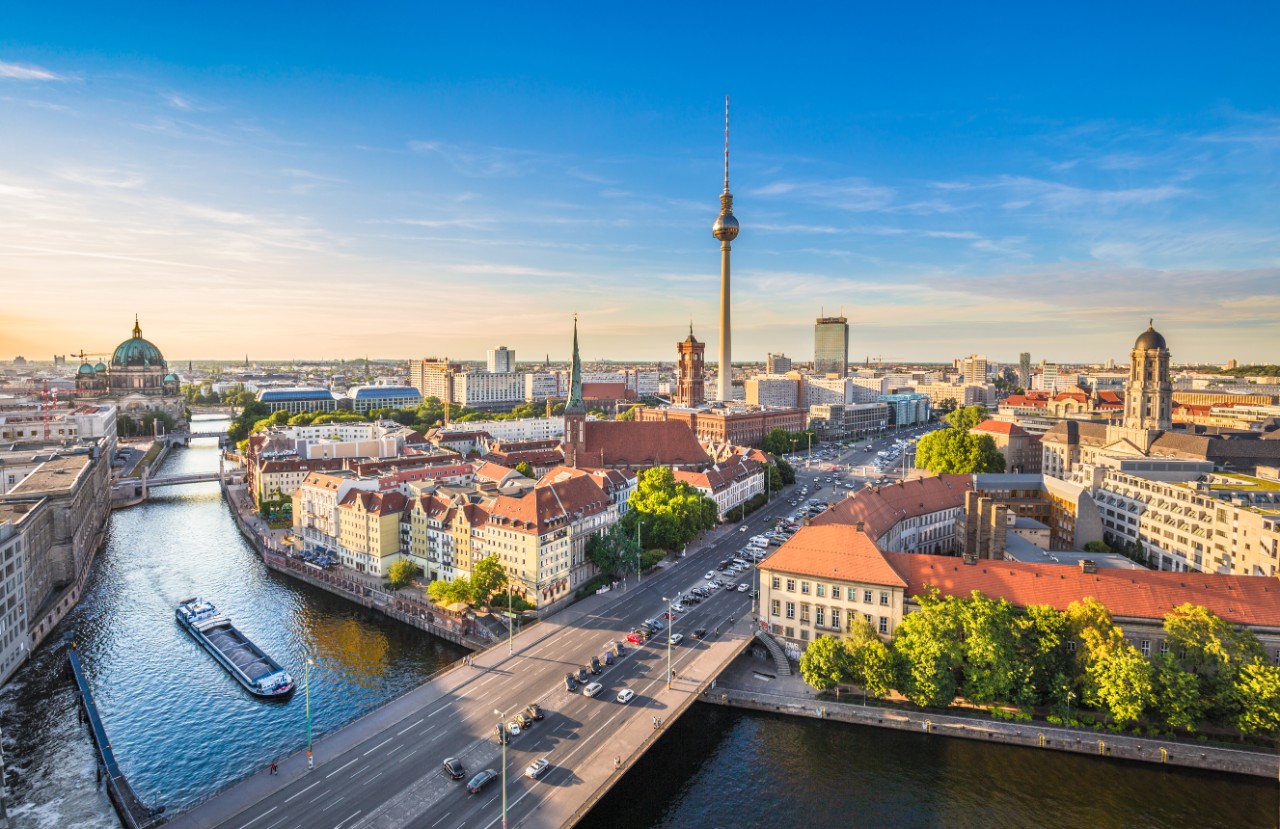
Central Berlin Mitte is the most practical location for a long stay because it places the greatest number of the city's attractions within walking distance or a short U-Bahn journey. Museum Island, Alexanderplatz, the government quarter, and the major east-west axis connecting the Brandenburg Gate to the television tower are all accessible on foot from a Mitte address. The trade-off compared to a neighbourhood like Prenzlauer Berg or Kreuzberg is a slightly more tourist-facing immediate environment, but the practical convenience of the central location outweighs this for most longer-stay guests.
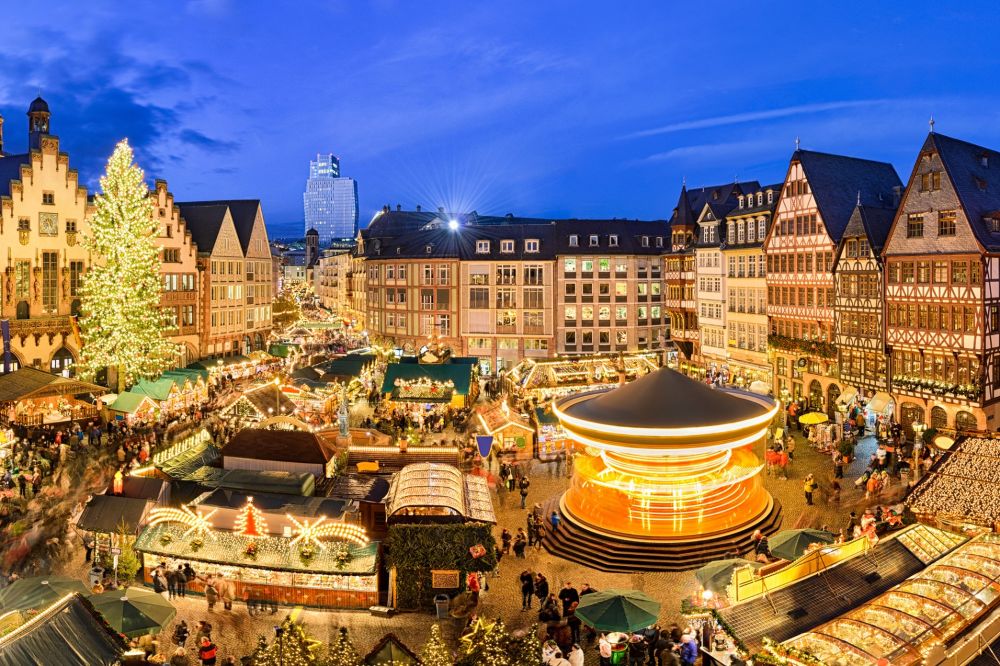
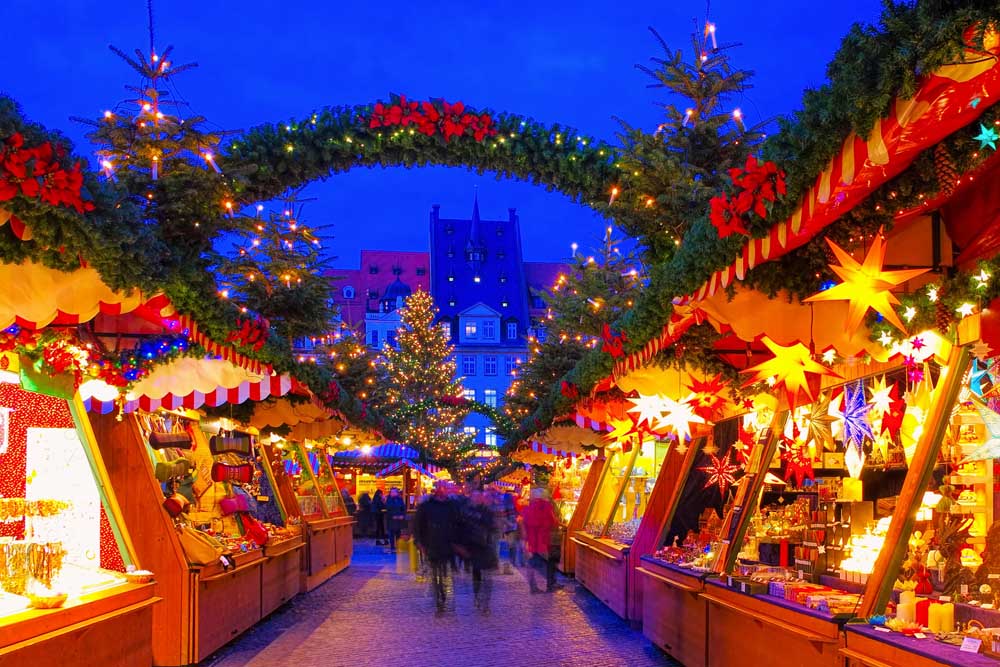
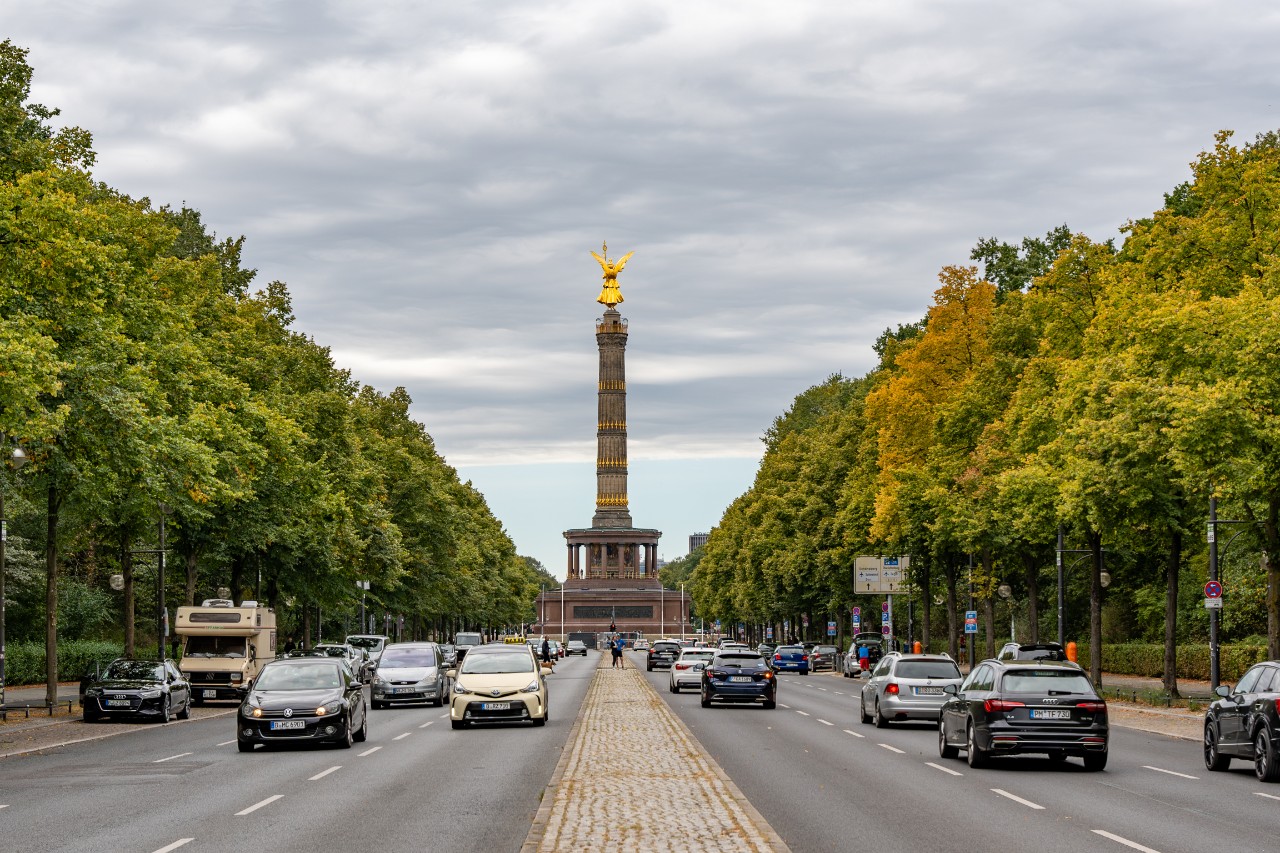
Berlin's seasons produce very different experiences. Summer brings the outdoor culture of open-air cinemas, canal swimming, and long evenings in biergartens that make the city feel at its most expansive and social. Autumn offers the same cultural institutions at a quieter pace, with the colour of the Tiergarten and the canal-side parks adding a different quality to the walks between them. The autumn in Berlin guide covers the seasonal character in depth. Winter centres on Christmas markets and the particular atmospheric quality of the city in short daylight hours, which suits a longer stay that can be structured around indoor cultural visits alongside the outdoor season.
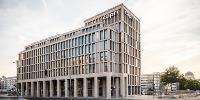
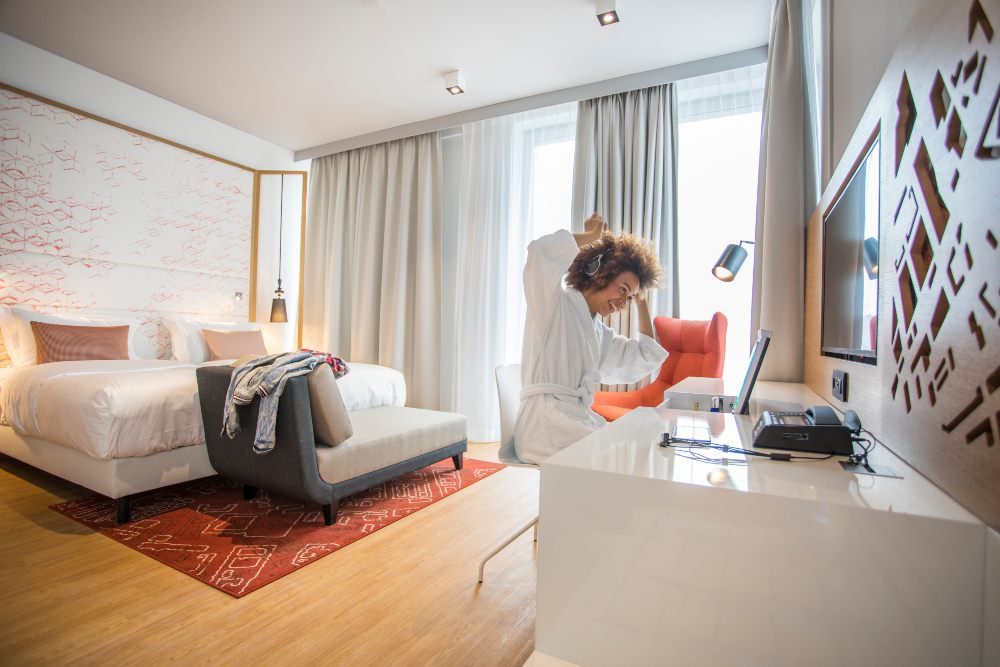
Capri by Fraser Berlin on Scharrenstrasse occupies a design-led building on Museum Island in the heart of Berlin Mitte, with archaeological remains from medieval Berlin preserved beneath the glass floor of the lobby. The property offers 143 studio and one-bedroom serviced apartments designed specifically for flexible stays of any length, with fully equipped kitchenettes, floor-to-ceiling windows, dedicated work desks, and home entertainment systems in each unit.
For guests planning a long stay in Berlin, the property's extended stay rates are designed around the economics of longer residency rather than short-break pricing, and the facilities available on-site make day-to-day life materially more comfortable than a hotel stay of equivalent duration. The 24-hour gym, the Spin & Play laundrette, the HotSpot business centre, and the Pow Wow meeting rooms are all available around the clock, giving the property a genuinely functional character for guests on project assignments or remote-working stays. The on-site Caprilicious restaurant serves breakfast daily, and the Drinx lobby bar provides a flexible space for evening drinks or informal meetings without requiring a journey into the city.
The location beside Alexanderplatz places the U5 line immediately accessible, with direct connections across the city. Spittelmarkt station is a six-minute walk away. Museum Island itself is on the doorstep, and the broader cultural offer of Berlin Mitte, covered in detail in the Berlin city guide, is entirely walkable. For those considering a longer stay or wanting to understand what living in Berlin feels like before committing to a longer arrangement, the property's flexible stay options make it a practical starting point. View current offers and enquire about extended stay rates directly with the team.
For business travellers needing meeting and conference facilities during a longer assignment, the property's Pow Wow meeting rooms are available for group sessions, presentations, and client meetings without requiring a separate venue booking.
A minimum of five to seven nights is recommended for a first proper visit to Berlin, to allow sufficient time for Museum Island, the historical landmarks, and at least one or two of the city's distinct neighbourhoods. Two weeks allows a more exploratory stay that covers the city's breadth more fully. For business travellers, project assignments, or slow travellers, a stay of a month or more opens up a version of Berlin that shorter visits cannot reach.
Berlin's relatively low cost of living compared to other major European capitals, its efficient public transport network, its density of free cultural institutions, and its strong infrastructure for longer-term residents make it one of the most practical cities in Europe for an extended stay. The city's size and neighbourhood diversity mean that a longer stay continues to produce new experiences well beyond the first week.
Short stays at Capri by Fraser Berlin follow standard hotel rates and services. Extended stay options are available for guests planning longer visits and offer adapted rates and arrangements designed around the rhythms of longer residency. The same fully equipped kitchenette, laundry facilities, gym, and business centre are available to all guests regardless of stay length. Guests interested in extended stay rates are encouraged to enquire directly with the property.
Capri by Fraser Berlin is located on Scharrenstrasse on Museum Island in the heart of Berlin Mitte, close to Alexanderplatz. The property is within walking distance of the major Museum Island institutions, the Berlin Cathedral, and the government quarter. Spittelmarkt U-Bahn station is a six-minute walk away, and Alexanderplatz station provides connections across the city by U-Bahn, S-Bahn, and tram.
Long-stay guests have access to fully equipped kitchenettes with oven, microwave, and fridge; a 24-hour gym; the Spin & Play laundrette; the HotSpot business centre; Pow Wow meeting rooms; secure underground parking; the Caprilicious on-site restaurant; and the Drinx lobby bar. Malin+Goetz amenities, complimentary Wi-Fi, and in-room personal safes are included across all apartment types.
Yes. Berlin's position as Germany's capital and a major European business hub, combined with its transport links to the rest of Germany and Europe and its well-developed infrastructure for longer-term corporate stays, makes it well suited to business travellers on extended assignments. Capri by Fraser Berlin's meeting facilities, business centre, and flexible extended stay rates are specifically designed for this type of visit.