
11 August 2026
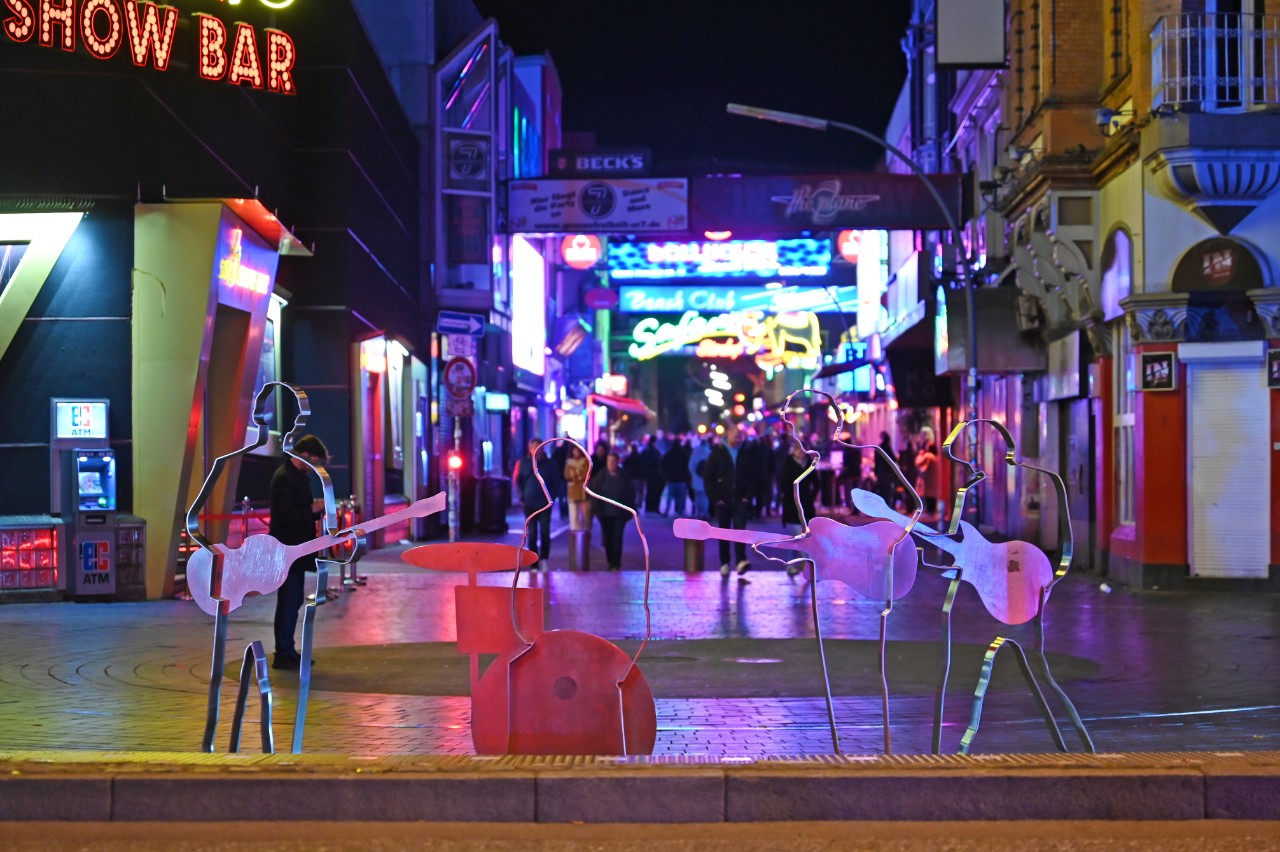
Hamburg has spent decades building festival credentials that most European cities would still call ambitious. The Reeperbahn, the street that runs through the heart of St Pauli, gave The Beatles one of their first stages outside Liverpool in the early 1960s and now lends its name to a festival that fills the district's clubs and stages with new international talent every autumn.
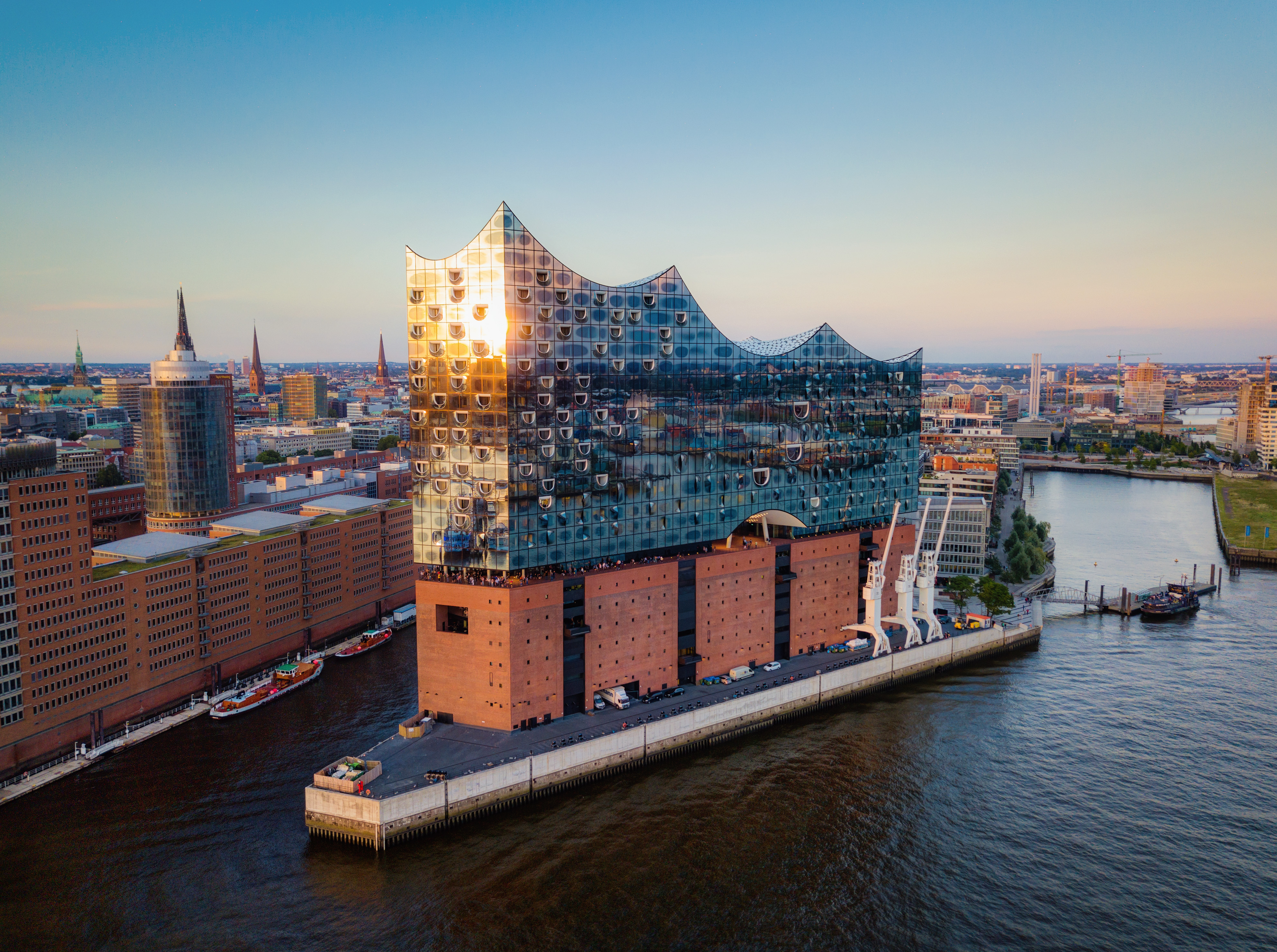
A short walk along the water, the Elbphilharmonie's sail-shaped concert hall hosts jazz musicians from across Europe each summer, while Hamburg's independent cinemas spend part of the season dark to almost every new release, given over instead to a festival that has quietly become one of Germany's most respected.
For visitors planning a trip around any of it, Fraser Suites Hamburg sits centrally enough to reach St Pauli, the Elbphilharmonie and the city's festival cinemas without needing to base a stay inside any one of them. Its suites give festival-goers the kind of space and kitchen access a standard hotel room rarely offers, useful for a weekend built around long nights and later starts.
Four festivals anchor Hamburg's cultural calendar across the year, each with its own season, neighbourhood and crowd. Between them, they cover most of what draws culture-led travellers to the city in the first place: music, film, jazz and a maritime tradition older than most European festivals still running today.
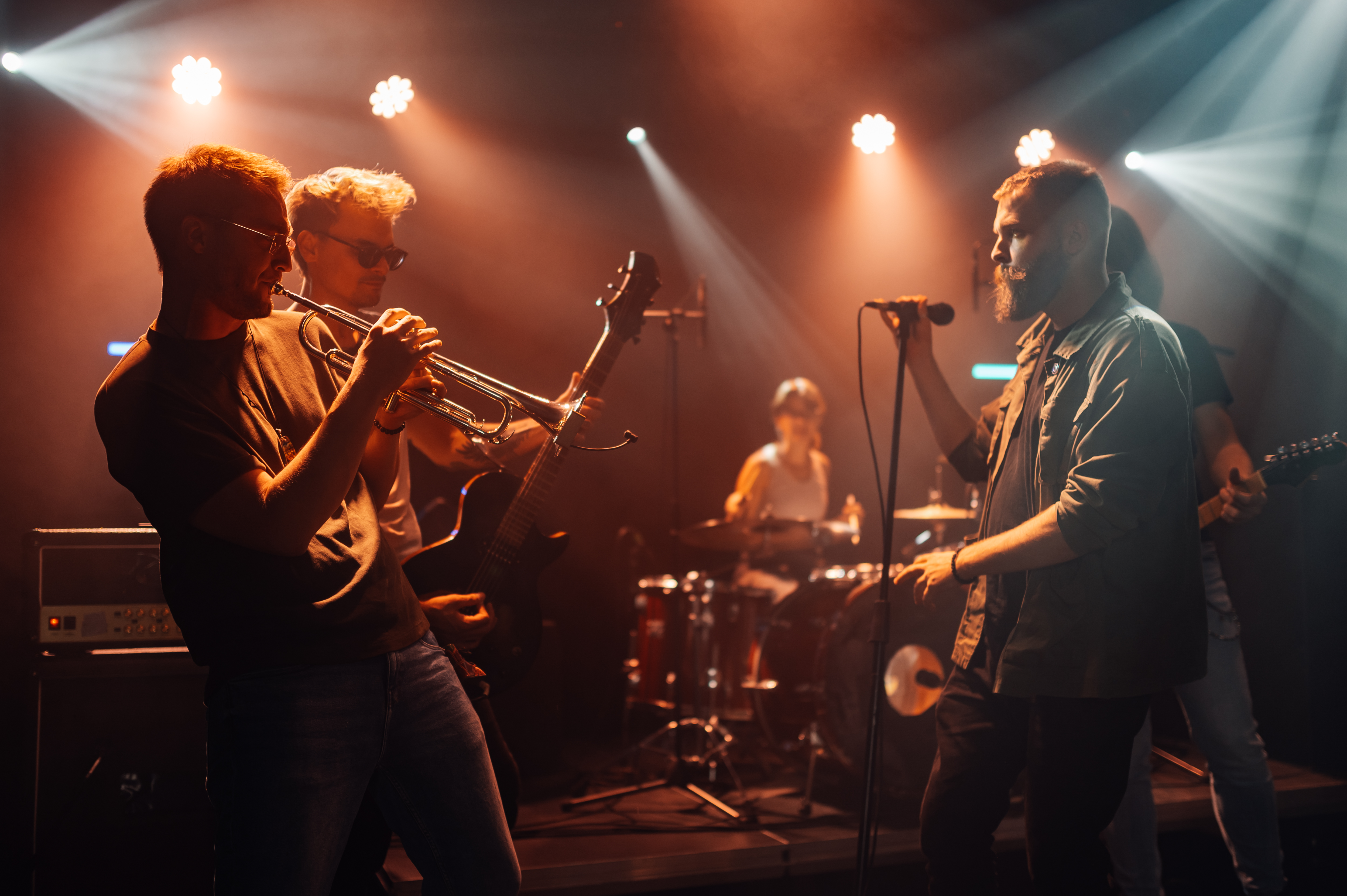
Reeperbahn Festival takes over St Pauli every September, turning around seventy venues, from cramped basement clubs to the Elbphilharmonie's main hall, into stages for artists most audiences haven't heard of yet. It began as a modest showcase for new music and has grown into one of Europe's more respected festivals for spotting acts early, covering everything from indie and electronic to hip-hop, soul and folk over four packed days.
The festival makes good on the neighbourhood's own musical history: this is the same stretch of St Pauli where The Beatles played some of their earliest gigs, long before Hamburg had any reputation as a festival city at all. Wristbands typically cover entry across the participating venues, which makes bouncing between two or three sets a night part of the appeal rather than a logistical headache.
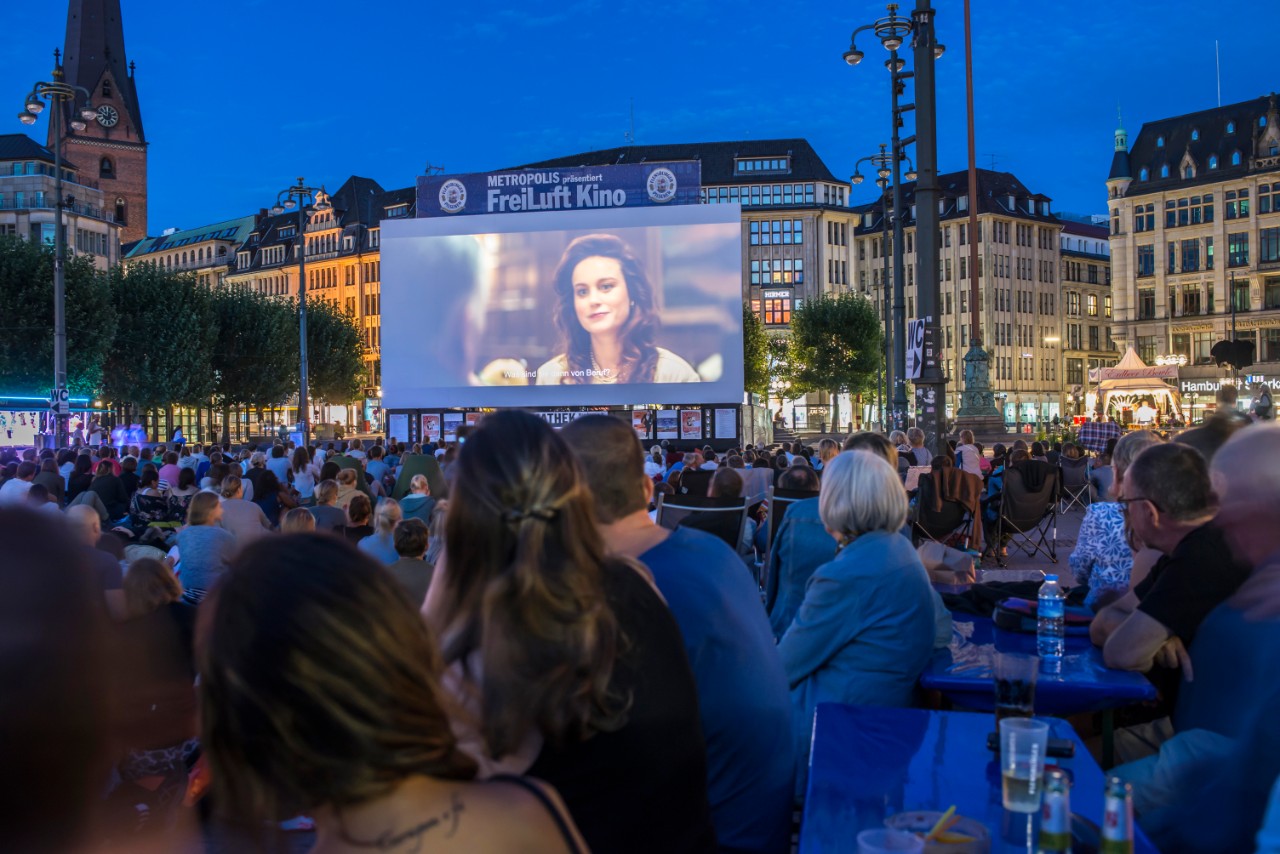
Filmfest Hamburg runs each year from late September into early October, screening around a hundred national and international feature films and documentaries across a handful of the city's independent cinemas, including Abaton, Metropolis, Studio-Kino, Passage and CinemaxX Dammtor. Many of the films shown are European or German premieres, and the festival has built a reputation for programming that favours new and international voices over blockbuster names.
One detail worth knowing for anyone planning around it: the festival's closing period regularly falls over German Unity Day on 3 October, when Hamburg residents get free admission across all five festival cinemas, a nice excuse to fill a day with back-to-back screenings if the schedule allows.
The Elbphilharmonie finally opened on 11 January 2017 with a performance by the NDR Elbphilharmonie Orchestra. Hamburg's relationship with the building has softened considerably since; most locals now speak of the delays the way you'd mention an old family disagreement, mildly, and usually followed by real pride in how it turned out.
The building has grown into more than a concert hall in the years since. Its upper floors house a hotel and private apartments, while the Kaistudios, spread across two floors, run music education programmes and workshops open to visiting families and school groups, a use of the building most first-time visitors never think to look for.
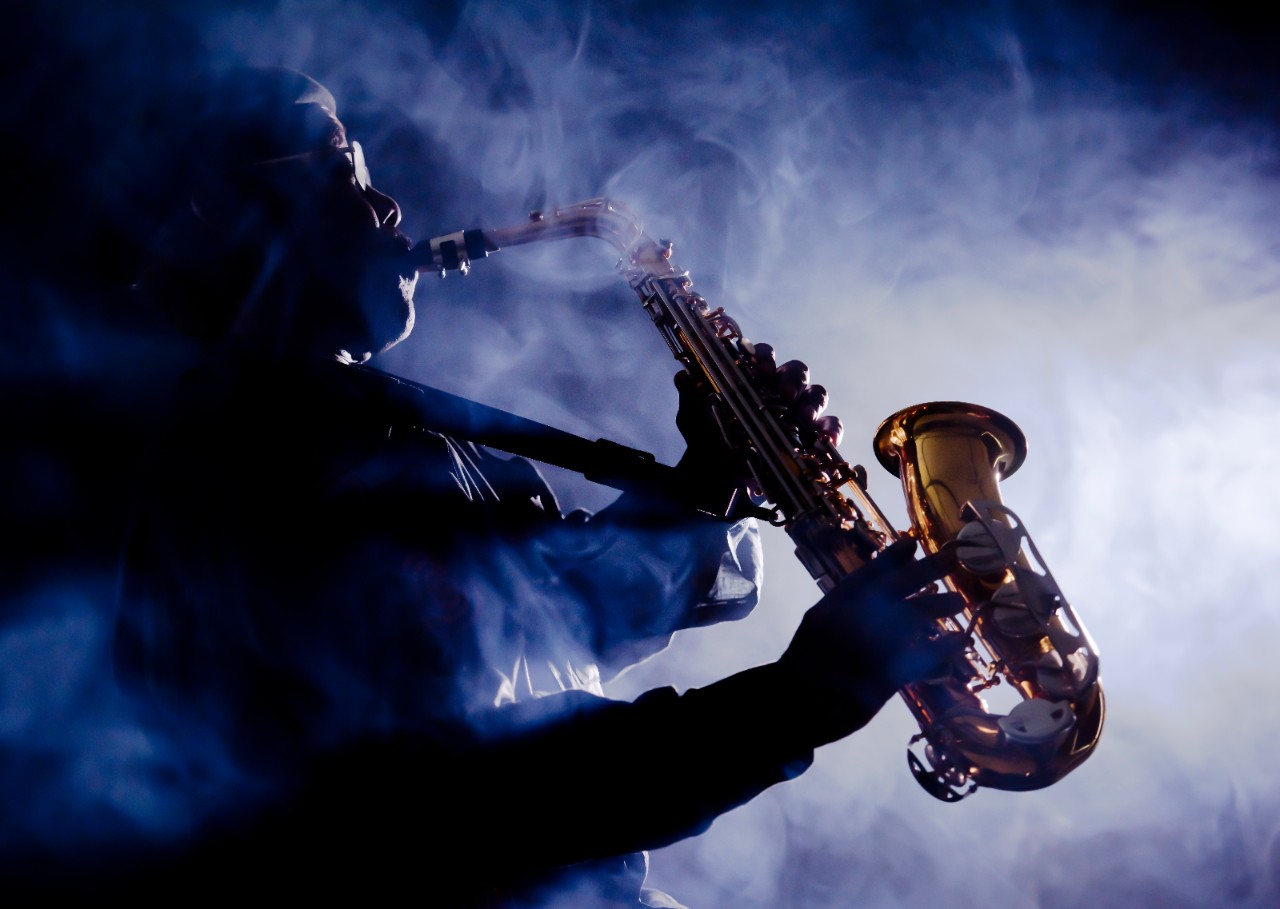
Elbjazz takes place every July around Hamburg's working port, with the Blohm+Voss shipyard as its main site alongside special concerts inside the Elbphilharmonie's Grand Hall. It's one of the larger jazz festivals in Europe by lineup size, though the genre boundaries stretch well past traditional jazz into soul, blues and more experimental sounds across the weekend. The setting is much of the draw: watching a set unfold against working cranes and dry docks gives Elbjazz a character that's hard to replicate at a festival built around a park or a fairground instead.
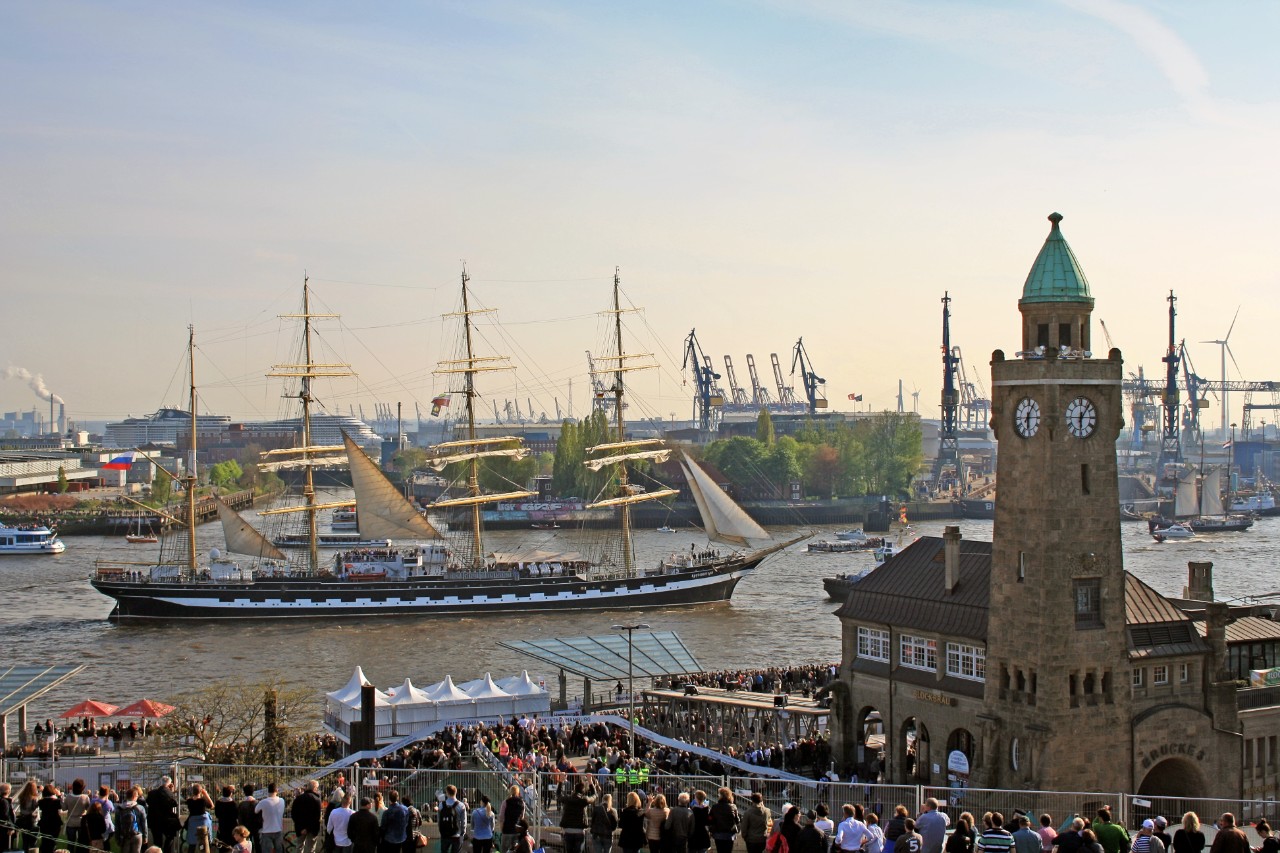
Hafengeburtstag, Hamburg's port anniversary, is a different scale of event entirely and takes place each May along the harbourfront between Landungsbrücken and Baumwall. Where the other three festivals are built around venues and tickets, this one is a free, citywide celebration of the port itself, with tall ships and tugboats sailing in for an arrival parade, over four hundred stalls selling maritime crafts and food along the so-called Harbour Mile, and a tugboat ballet on the Saturday afternoon that's become the festival's signature moment: workboats performing synchronised turns to classical music.
It draws by far the largest crowds of the four, and while it sits outside the music, film and jazz focus of the rest of this guide, it's worth knowing about for anyone whose stay happens to fall in spring.
Timing a visit around any of these festivals rewards a bit of forward planning, particularly for Reeperbahn Festival, when St Pauli's hotels and guesthouses fill up well ahead of the weekend itself given the neighbourhood's limited size. Booking accommodation and festival passes together, rather than treating them as separate errands, tends to avoid the scramble that comes with leaving either until closer to the date.
Basing a stay slightly outside St Pauli, rather than in the middle of it, often works better for guests who want easy access without being caught in the thick of festival crowds every night. Hamburg's public transport network makes this a realistic trade-off: the U-Bahn and S-Bahn connect the city's neighbourhoods quickly enough that a fifteen-minute ride is rarely an inconvenience, even late in the evening after a show finishes. It's also worth noting that the Elbphilharmonie turns up as a venue across more than one of these festivals, so guests attending both Reeperbahn Festival and Elbjazz in the same year may find themselves back in the same building for very different lineups.
Reeperbahn Festival in particular rewards a loose plan over a rigid one. With so many venues running simultaneously, it's worth picking two or three acts that matter most and building the evening loosely around them, rather than trying to lock in a full schedule in advance. The gaps between those sets are usually better spent wandering into whatever nearby venue has a queue forming than rushing across St Pauli for something further away.
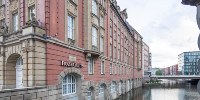
Fraser Suites Hamburg occupies the historic Oberfinanzdirektion building at Rödingsmarkt, close enough to the Elbphilharmonie, the festival cinemas and St Pauli to reach any of them without a long journey, while sitting far enough from the Reeperbahn itself to offer a quieter place to return to after a late set. Neuer Wall's shopping streets and the UNESCO-listed Speicherstadt warehouse district are both within easy walking distance for the daytime hours between events, along with the wider list of things to do in Hamburg for a full day away from the festival schedule.
Kitchenettes make a real difference across a festival weekend, useful for anyone who'd rather not eat out after every show, and the Signature One Bedroom Premier Suites give returning festival-goers enough space to unpack for a stay that runs a few nights. Guests planning to stretch a visit across more than one festival weekend in the same year can also look at the property's extended stay options, or wind down at Quintessenz, the on-site restaurant, and the 24-hour gym and sauna on the days that call for a slower pace.
Availability tightens fastest around September, when Reeperbahn Festival and Filmfest Hamburg both fall within a few weeks of each other, so it's worth checking current offers and booking ahead of that stretch where possible.
Yes, plenty, including the more informal, atmosphere-led events that fill the city's parks and waterfront through the summer months. Those are covered in more depth in our guide to Hamburg in August for anyone visiting during that specific window.
Quintessenz, the property's on-site restaurant, means guests aren't hunting for a kitchen still open in St Pauli after a late set. The suites' own kitchenettes give guests the option to put together something simple on their own terms, whether that's leftovers from the day or a late-night snack picked up on the way back, without needing to plan an entire meal around it.
It depends on what kind of weekend appeals more than any single month being objectively best. May suits anyone drawn to spectacle over subtlety, with Hafengeburtstag's tall ships and fireworks along the harbour. July favours warmer weather and a smaller, more relaxed crowd at Elbjazz. Guests set on live music or a curated cinema season have more to choose from around September and October, when Reeperbahn Festival and Filmfest Hamburg both run within a few weeks of each other.
That's the Berlinale in Berlin, held each February and ranked among the world's three biggest film festivals by public attendance, with several hundred thousand admissions a year. Filmfest Hamburg works on a different scale entirely, closer to a hundred films across a handful of independent cinemas, which makes it a far easier festival to see everything you're interested in.
By scale, the usual names are Munich's Oktoberfest, Wacken Open Air for metal fans, Rock am Ring, and the Berlinale. Hamburg's own Hafengeburtstag regularly belongs in that conversation too, its harbourfront crowds put it among the biggest annual gatherings in the country, even though it rarely gets mentioned in the same breath as the others.
It depends on how popularity is measured. MS Dockville draws the bigger crowd, but Reeperbahn Festival carries more international weight as Europe's largest club festival and a genuine meeting point for the music industry rather than just a weekend out.



Contact Us
Intersection Olaya Street and Khurais Road 11524, Riyadh, Al Olaya, Kingdom of Saudi Arabia