


16 June 2026
Oman is not a country that hides its rewards from those willing to look past the well-worn itinerary. The Grand Mosque, the Mutrah Corniche and Wahiba Sands all deserve the attention they receive, but they represent only one version of what the Sultanate offers. Beyond them lies a country of extraordinary breadth: secret coves where the water turns emerald between limestone cliffs, mountain plateaus that stay cool when the coast shimmers in the summer heat, and southern coasts that transform annually into something that has no equivalent elsewhere on the Arabian Peninsula. Guests who know where to go, and when, encounter an Oman that most visitors simply pass through.
Fraser Suites Muscat sits in the city's commercial hub close to major highways, which makes it a genuinely practical base not just for Muscat itself but for the wider country. During the summer months, many guests use the property as a comfortable stopover before heading inland to Al Jabal Al Akhdar or south to Salalah, with both destinations directly accessible via the main highway routes. The suites and apartments are suited to both overnight stays and longer visits, with current offers worth checking before you book. This guide covers the hidden beaches, quiet cultural corners and off-the-beaten-path escapes that make Oman worth exploring well beyond its capital.
Muscat's coastline extends well beyond Qurum Beach, and for guests who want sea without the crowds, the stretches that require a little more effort to reach tend to deliver something considerably more rewarding. These are beaches where the water changes colour as it shallows over coral-formed sand, where fishing boats outnumber sunbeds, and where the mountains provide a backdrop that the city's central shore cannot.
South of Muscat, Bandar Al Khayran is a coastal area with hidden lagoons, crystal-clear waters and secluded sandy coves, and it rewards arriving by water as much as by road. Kayaking through the inlets and rocky channels reveals small beaches that are inaccessible from land, and the area is well suited to snorkelling and a peaceful picnic, making it one of the most serene spots in Oman's capital region. The coves here stay quiet even during peak weekends, and the combination of calm water and sheltered geography makes it one of the best introductions to what Oman's coast is actually capable of.
Qantab Beach captures the atmosphere of a traditional Omani fishing village. Surrounded by distinctive cliffs, this small cove is filled with colourful traditional boats and local fishermen, and many visitors rent small boats from locals to explore hidden sea caves and secluded coves inaccessible by land. It sits around 20 kilometres from the city centre, making it an easy half-day trip. The volcanic rock formations along the shoreline give the beach a character that the longer, more developed stretches of coast cannot replicate. If water activities are a priority during your stay, Qantab is one of the best starting points in the capital region.
Located around 28 kilometres from the city centre, Yiti Beach is one of the secluded and lesser-known beaches near Muscat, with small cliffs, coves, rocky edges and a fairly isolated environment that is ideal for those who enjoy their privacy. The drive out along the coastal road passes through dramatic scenery, and the beach itself is considerably quieter than its proximity to the capital might suggest.
The coastal road running southeast from Muscat towards Sur is one of the most rewarding drives in the country, passing through fishing villages, dramatic mountain drops to the sea and stretches of coastline that see a fraction of the visitors that the capital's beaches attract. For guests willing to spend 90 minutes to two hours in the car, the beaches along this route represent some of the best the country has to offer.
About Us:
Muscat, with its stunning coastline along the Gulf of Oman, is a hub for water activities. Whether you’re into diving, kayaking, or exploring its rich marine life, Muscat offers adventures for everyone. The city is a prime spot for showcasing the beauty of Daymaniyat Islands and its vibrant coral reefs.
For travellers keen on these water pursuits, Fraser Suites Muscat is a premium choice. The spacious accommodations, coupled with excellent pool facilities, make it ideal for relaxation. Its proximity to beaches and tour operators ensures you're never far from a thrilling marine adventure.
Key Features:
Location: Close to beach and tour operator
Accommodation: Spacious rooms and modern amenities
Facilities: Pool, fitness centre, and dining option
Concierge Service: Arranges diving, snorkelling, and kayaking trips
The concierge service at Fraser Suites can effortlessly arrange local excursions, including diving trips to the renowned Fahal Island or kayaking in Bandar Khayran’s calm waters. It's an ideal stay for those eager to explore Muscat's marine wonders.
Overlooked by the towering escarpment of the Al Hajar Ash Sharqi mountain range is the beautiful bay of White Beach, near Fins village on the coastal road between Sur and Quriyat. The clear turquoise water laps sand formed from ancient coral reefs, making it one of the area's most relaxing locations. It is widely considered one of the best spots in Oman for wild camping and photography, with crystalline white pebbles and emerald waters in a setting that remains entirely undeveloped. The drive from Muscat takes approximately 90 minutes, and the road passes through a coastline that grows progressively wilder as you leave the city behind.
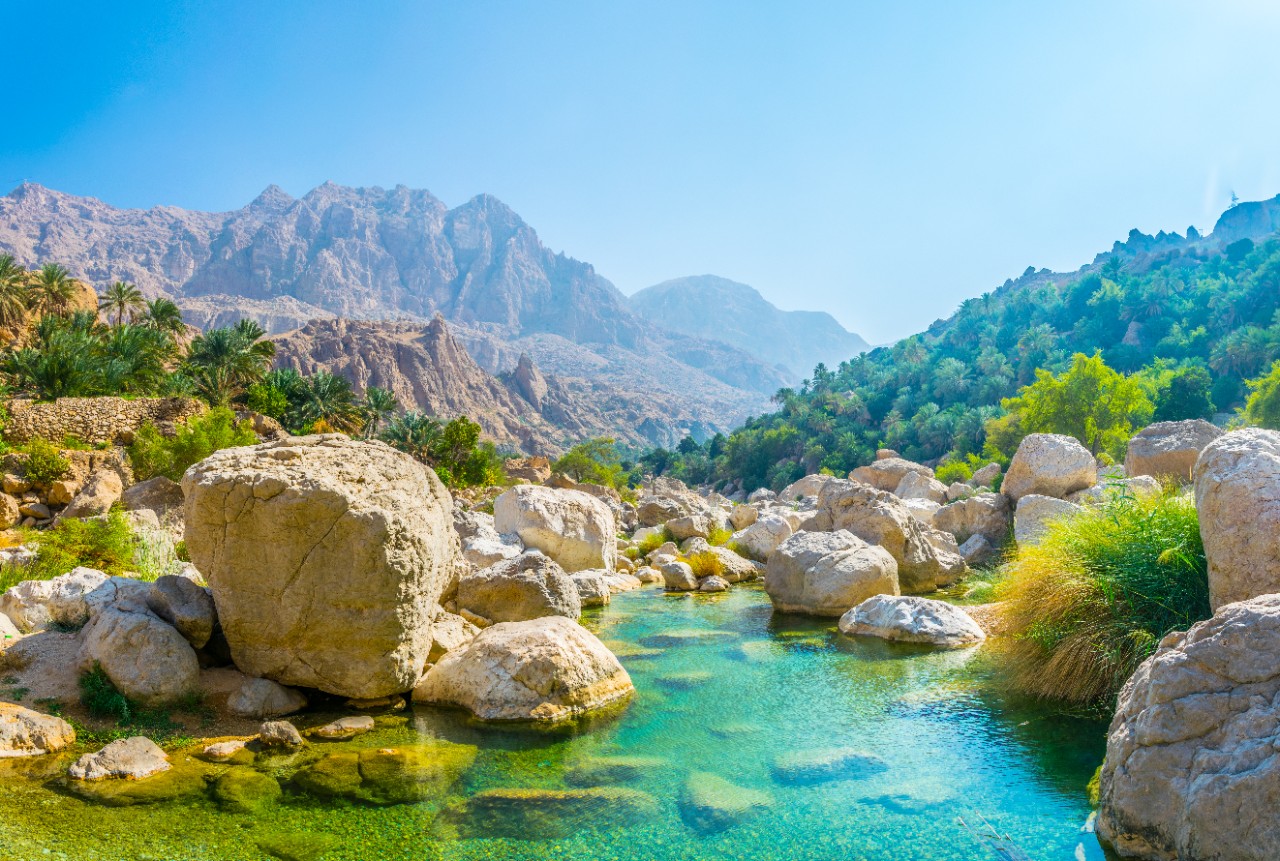
Tiwi Beach is a hidden gem nestled between the mountains and the sea, located close to the famous Wadi Tiwi. With some of the bluest waters of any beach in Oman, it has soft white sand and wonderfully clear water that makes it a popular snorkelling spot, with sightings of batfish, sea snakes and stingrays not uncommon. The combination of mountain backdrop and open sea gives the beach a drama that more accessible stretches of the Muscat coast cannot match. It pairs naturally with a visit to Wadi Tiwi itself, where the valley runs inland through palms and pools to a series of small villages that have barely changed in generations.
The beaches tend to claim most of the attention, but Muscat's lesser-known cultural sites reward the guests who find them. For a broader picture of Muscat's culture and history, the city holds far more than its most visited landmarks suggest.
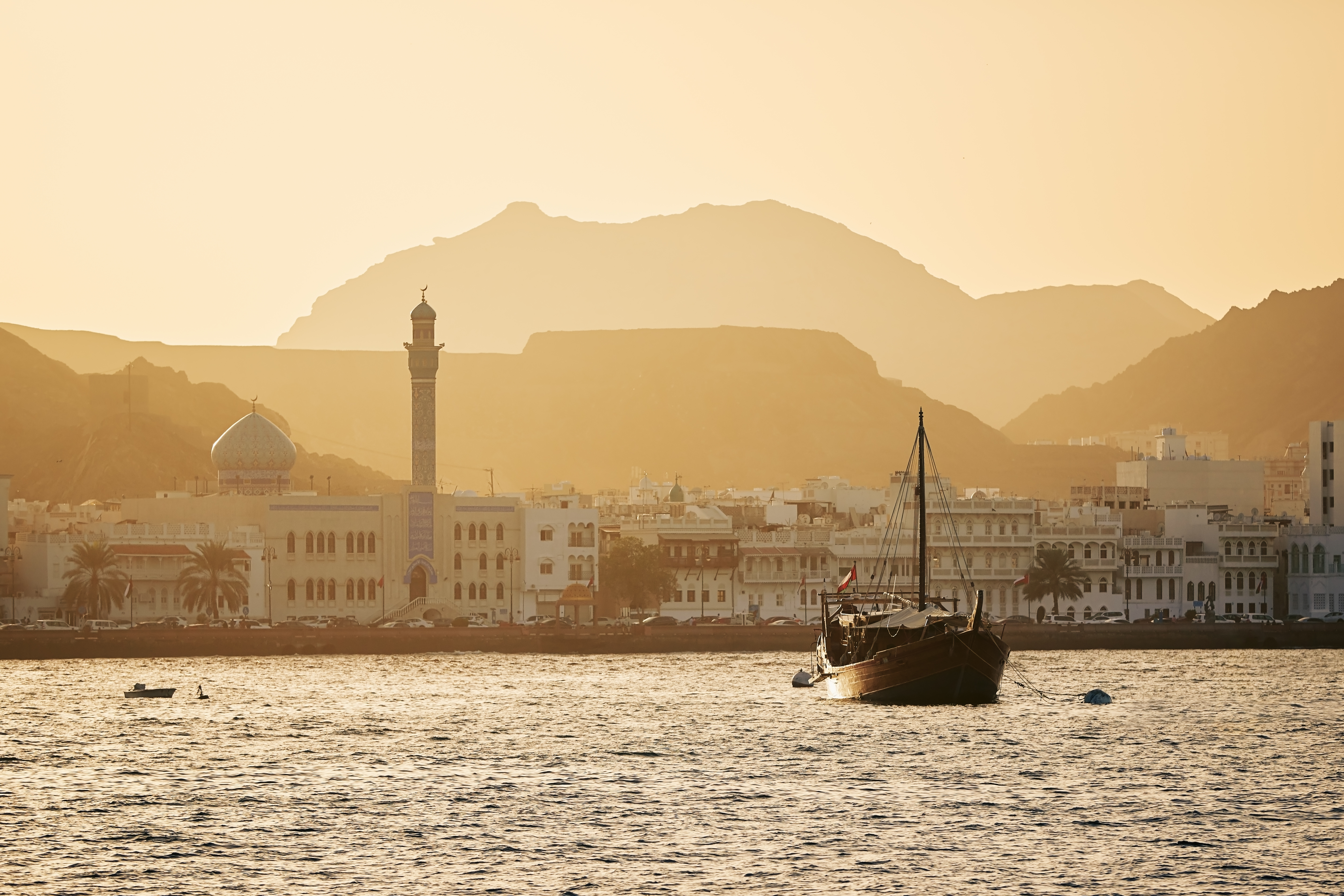
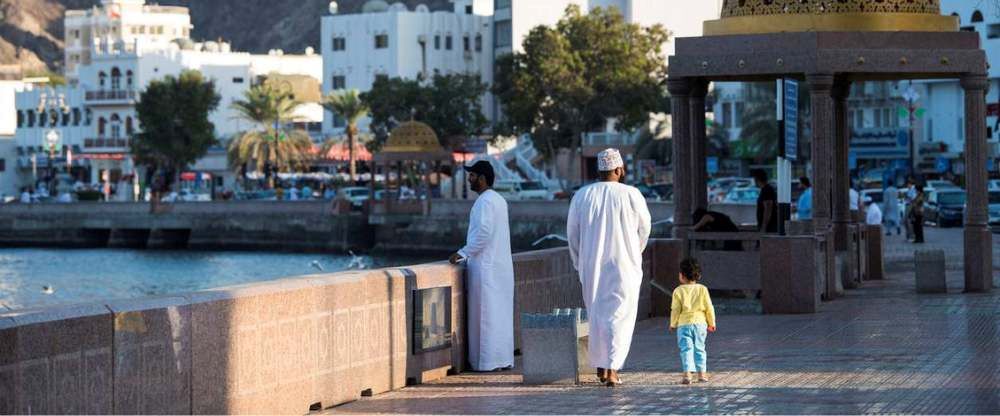
Most visitors to the Mutrah Corniche walk its length, take photographs of the fort and leave. The streets behind it tell a different story. The old residential quarter that climbs the hill above the port is one of the best-preserved urban environments in the Gulf, with painted houses, working mosques and small shops that supply the neighbourhood rather than the tourist. The fish market at the northern end of the waterfront operates from the early hours and is at its most atmospheric before the heat of the day takes hold. If the street food and traditional markets of Muscat interest you, the Mutrah area is where that culture is most authentically concentrated. Arriving early and walking the lanes between the Corniche and the hillside gives a sense of how Muscat lived before the city that surrounds it was built.
The Sultan's Al Alam Palace is visible from the road through Old Muscat, flanked by forts on either side and fronted by formal gardens, but the area around it rewards more time than most visitors give it. The Mirani and Jalali forts that bookend the bay are among the oldest Portuguese-built structures in the Gulf, constructed after the 16th-century occupation and modified by successive Omani rulers thereafter. The old city walls that once enclosed this entire area are still partly intact and trace a route between them. Early morning, before the tour coaches arrive, this corner of Muscat is as atmospheric as any historic city centre in the Middle East. For a fuller picture of the best things to do in Muscat, the Old City repays a dedicated half-day.
During the summer months, Al Jabal Al Akhdar is around two hours' drive from Muscat and enjoys a mild microclimate thanks to its inland position and high altitude, sitting at around 2,000 metres above sea level. For GCC and regional guests travelling through Muscat in search of cooler temperatures, this is the most natural next destination after a night or two in the capital, and Fraser Suites Muscat's position close to the main highway puts the route directly within reach. Guests planning a summer stay in Muscat before heading to the mountains will find the summer week guide a useful planning reference.
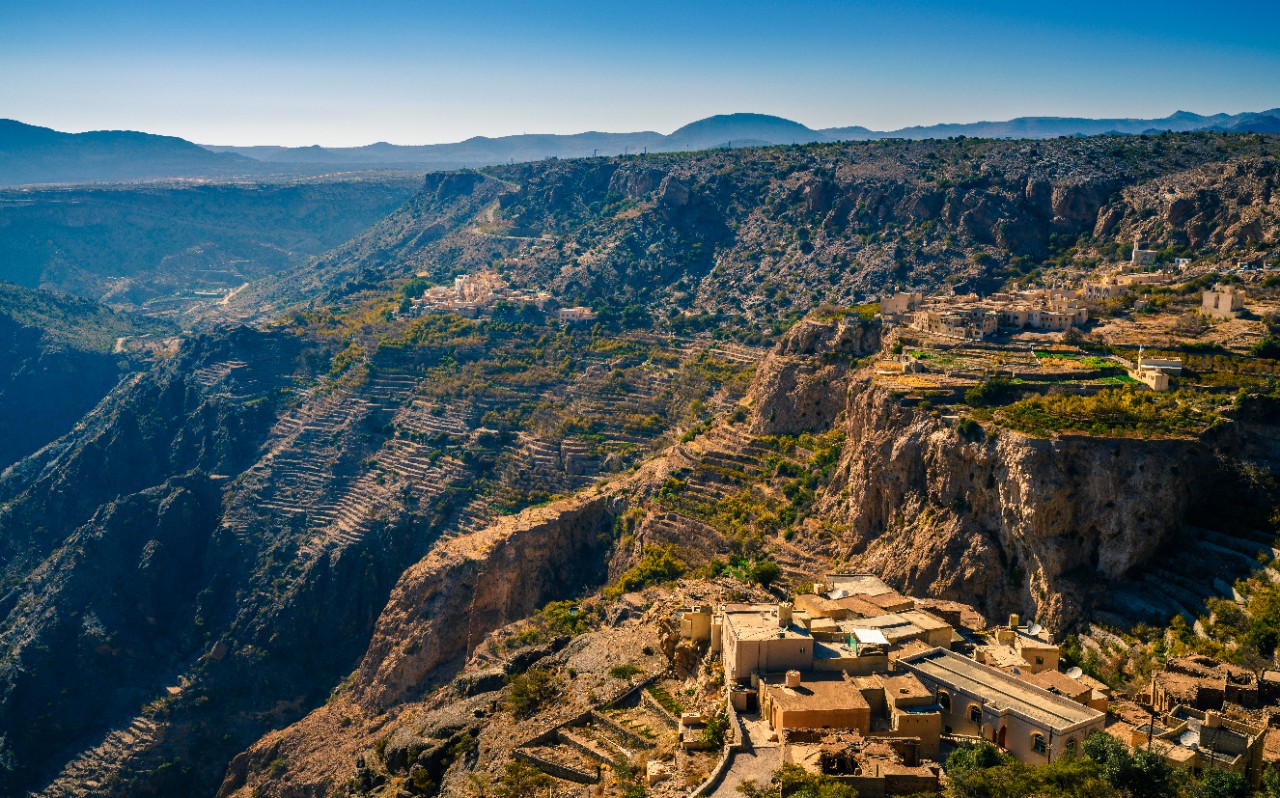
Three of the abandoned villages of Al Jabal Al Akhdar, Al Aqr, Al Ayn and Al Shirayjah, can be reached on an intermediate three-hour hiking loop, with rugged cliff paths leading between them. Along the way, ancient aflaj water channels sustain orchards of pomegranates, peaches and apricots growing on hillside terraces. Between March and May, the blossoming Damask roses light up the hillsides in a riot of pink, and in the villages of the Saiq Plateau you are likely to see the petals being harvested for the rosewater production that has defined the mountain's economy for centuries. Outside those months, the abandoned settlements themselves are the draw: mudbrick houses clinging to canyon edges, with views across the gorge that no road provides.
Known as the Omani Grand Canyon, Wadi Ghul offers spectacular views of deep gorges and rugged mountains, and hiking along the rim provides stunning perspectives of the canyon's scale. The viewpoint requires a 4WD to reach, and the drive itself, through a landscape that changes character as the altitude rises, is part of the experience. Note that access to Al Jabal Al Akhdar requires a 4WD vehicle, which is checked at the entrance checkpoint. The concierge team at Fraser Suites Muscat can point guests towards suitable car hire options for the mountain roads.
Salalah sits over 1,000 kilometres south of Muscat, and the drive along the main highway is a commitment. For guests departing from Fraser Suites Muscat, the property's proximity to the highway makes the start of that journey as straightforward as possible. What waits at the end of it is unlike anything in the northern part of the country.
Dhofar experiences a tropical monsoon season that runs from June to August, during which its landscapes are covered by mist and green meadows, attracting visitors from across Oman and neighbouring countries seeking cool breezes from the overwhelming summer heat that prevails elsewhere on the Arabian Peninsula. Locals call this season the khareef, and it is the reason Salalah functions as a destination in its own right rather than simply a southern outpost. It is the busiest time of year in the region, when the grassy plains within and outside Salalah draw Omanis, Saudis and Emiratis seeking a cool escape, many of whom opt for wild camping in the transformed landscape. For regional guests already familiar with Muscat, the khareef is a compelling reason to keep driving south.
Approximately 70 kilometres west of Salalah lies the stunning chain of Fazayah Beaches, a pristine stretch of coastline famed for its serene beauty and crystal-clear waters. Al Fazayah is a long, untouched stretch of coastline backed by high mountains, and the lack of commercial development is its greatest asset. It is widely considered one of the best spots in Oman for wild camping and photography, and the road in is winding, with mountain views opening out over the Indian Ocean as you descend. The beach itself tends to be empty regardless of the season.
Mughsail Beach is one of the most picturesque beaches in Oman, known for its turquoise waters and soft sands. The adjacent Mughsail Blowholes, where waves force water jets through rock formations, are one of the most striking natural spectacles on the coast. During the khareef, the spray from the blowholes combines with the mist rolling in from the sea to create conditions that feel entirely remote from the Oman most visitors experience. The beach sits west of Salalah beneath dramatic cliffs that frame the coastline in both directions.
During the monsoon season, Wadi Darbat turns into a lush green valley with waterfalls, lakes and abundant wildlife. Visitors can take a boat ride, hike along the trails or simply sit in this serene setting. Outside the khareef, the wadi remains lush throughout much of the year, with its banks home to grazing camels and seasonal river flow that recedes gradually as the dry months progress. The frankincense trees that line the road approaching from Salalah are worth paying attention to, particularly for guests coming from countries where frankincense is still part of daily life.
A few things are worth knowing before heading out. Al Jabal Al Akhdar requires a 4WD vehicle, checked at the checkpoint on the ascent road. Salalah is a long drive from Muscat and suits an itinerary of at least two to three nights. The coastal beaches near Muscat, including Bandar Al Khayran and Qantab, are best visited in the cooler months between October and April. Summer visits to Salalah, by contrast, are the point: the khareef season runs from June to September and is precisely when the region is at its most distinctive. For families visiting Muscat before heading further afield, the city itself offers plenty to anchor a day or two before the road trip begins.
Fraser Suites Muscat is situated in the city's commercial hub, close to major highways and within a two-minute drive of the Mall of Oman, making it as practical a base for road trips across Oman as it is for exploring the capital. Muscat International Airport is approximately 10 to 15 minutes away, and the main highway routes to both Al Jabal Al Akhdar and Salalah are directly accessible from the property, meaning guests can get on the road quickly without navigating the city first.
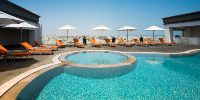
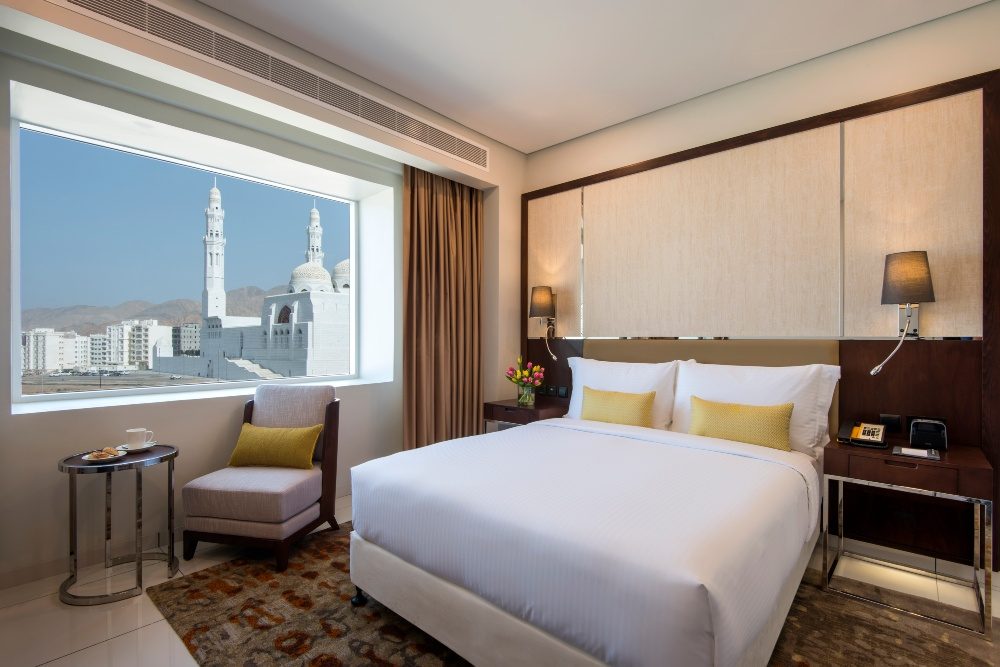
Accommodation comprises 120 stylish one, two and three-bedroom suites, each with separate living, dining and bedroom areas along with a fully equipped kitchen. Floor-to-ceiling windows make the most of sweeping city vistas, while modern furnishings, high-speed WiFi and in-suite laundry facilities create a home-from-home experience suited to both short stopovers and longer stays. On-site facilities include a spa, outdoor swimming pool and a concierge team able to assist with car hire, route planning and local recommendations for every destination in this guide. View current offers to plan your stay.
White Beach near Fins village is one of the most consistently rewarding lesser-known beaches in the country, with coral-formed sand and turquoise water in a setting backed by the Al Hajar mountains. Bandar Al Khayran south of Muscat is ideal for kayaking and snorkelling through secluded coves. Fazayah Beach west of Salalah is one of the most remote and undeveloped stretches of coast in the country, backed by high mountains and rarely crowded at any time of year. Tiwi Beach, between Muscat and Sur, combines outstanding snorkelling with a dramatic mountain backdrop and easy access via the coastal road.
The khareef season, which runs from June to September, is when Salalah is at its most distinctive and when regional visitors specifically travel south to experience it. The monsoon rains turn the landscape green, temperatures drop relative to the rest of the country, and the coast takes on an atmospheric mist that is unlike anything experienced elsewhere on the Arabian Peninsula. Outside the khareef, Salalah is warm and considerably quieter, and the beaches, wadis and historical sites are all accessible and rewarding year-round.
Al Jabal Al Akhdar is approximately two hours' drive from Muscat via the main highway, making it a viable day trip for energetic visitors and a natural one or two-night extension for those who want to explore properly. Access to the plateau requires a 4WD vehicle, which is checked at the entrance checkpoint. The ascent to around 2,000 metres above sea level takes approximately 45 minutes from the checkpoint, with the road steep but in good condition throughout. Most car hire companies in Muscat offer suitable vehicles, and the concierge team at Fraser Suites Muscat can assist with recommendations.
Oman's coastline spans over 3,000 kilometres, and a significant proportion of it remains undeveloped and accessible only to those willing to drive a little further or take a boat. The country's geography, moving from coast to mountain to desert to southern monsoon coast within a single journey, means that dramatically different experiences are available without leaving the Sultanate. The national character, with its emphasis on hospitality and conservation, has also meant that many natural sites have remained intact in ways that comparable Gulf destinations have not. For regional visitors already familiar with the best things to do in Muscat and the capital's well-known landmarks, the depth of what lies beyond those sites is the reason Oman continues to reward return visits.


Contact Us
Landmark Building, 23 July Street, PO Box 410, P.C 133, Al Khuwair, Muscat, Sultanate of Oman