

19 May 2026
Muscat culture reflects the heart of Oman: warm, respectful, deeply traditional and quietly modern. As the capital city, Muscat brings together centuries of maritime history, Islamic heritage, Omani craftsmanship, contemporary arts and everyday local life.
For travellers planning a culture trip to Muscat, the city offers more than a list of landmarks. It gives visitors the chance to understand how tradition and modern living sit side by side in one of the Gulf’s most distinctive capitals.
Choosing Luxury serviced apartments in Muscat, Oman gives culturally curious travellers a practical and comfortable base from which to explore the city’s traditions, neighbourhoods and contemporary way of life.
With apartment-style space, kitchen facilities and hotel-style support, Fraser Suites Muscat is well suited to guests who want flexibility during a cultural stay, business trip or temporary relocation.
Whether visiting the city’s historic souks, exploring Old Muscat, attending a performance at the Royal Opera House Muscat or discovering local dining, guests can return to accommodation designed for comfort, convenience and longer stays.
Muscat culture is shaped by Oman’s position between Arabia, East Africa, Persia and the Indian subcontinent. For centuries, Oman’s maritime routes connected the country with trading communities across the Indian Ocean. That history is still visible today in the city’s architecture, food, crafts and social customs.
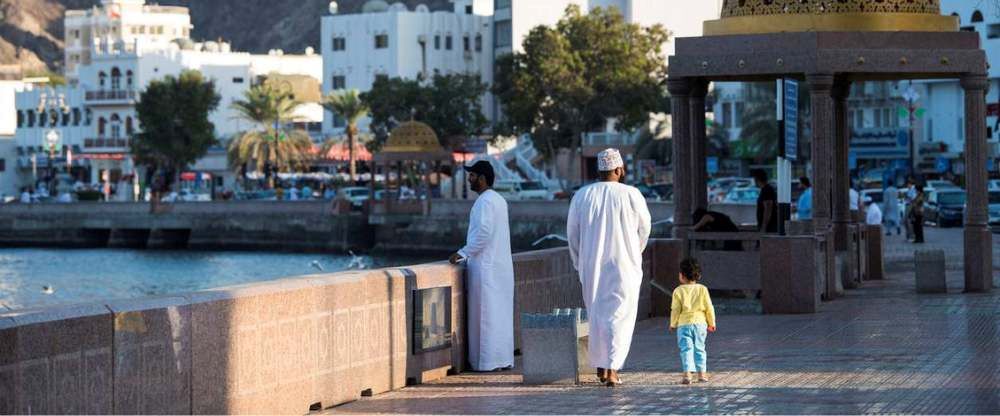
Omani culture places strong importance on hospitality, respect and community. Visitors are often struck by the calm politeness of daily interactions. Greetings are warm but measured, modest dress is appreciated, and family remains central to social life. These values give Muscat a different rhythm from many other regional capitals. It is modern and well connected, but it has retained a strong sense of cultural identity.
This balance is one of the reasons Muscat appeals to travellers interested in heritage and lifestyle, not just sightseeing. A culture trip in Muscat can include major landmarks, but it should also leave time for everyday experiences: visiting a local café, shopping for spices, walking along the waterfront, learning basic Omani etiquette and understanding how tradition shapes daily life.
While Muscat is the capital, many of the traditions visitors experience in the city reflect Omani culture as a whole. Across the country, hospitality, respect, modesty, family values and Islamic heritage play an important role in daily life.
Muscat is often the first place visitors encounter these customs, from the warm greetings exchanged in everyday settings to the traditional crafts, food, architecture and social etiquette seen across the city. For travellers interested in understanding Oman beyond its landmarks, Muscat offers an accessible introduction to the values and traditions that shape life across the wider country.
This broader cultural context is useful before exploring Omani etiquette, as many of the customs visitors notice in Muscat are shared throughout Oman.
Understanding etiquette is an important part of experiencing Muscat culture respectfully. Visitors do not need to know every custom in detail, but a few simple practices make a meaningful difference.
Modest clothing is recommended in public areas. Men should generally wear shirts with sleeves and long trousers or tailored shorts depending on the setting. Women are advised to cover shoulders and knees in public places, with a headscarf required when visiting certain religious sites. At mosques, more conservative dress is expected.
Greetings are usually polite and formal. A handshake may be appropriate, although visitors should wait for cues, particularly when greeting someone of the opposite sex. Shoes are often removed before entering homes and some religious spaces. During meals, food may be shared communally, and accepting hospitality with appreciation is considered respectful.
These customs are not difficult to follow, but they help visitors experience Muscat in a more thoughtful way. For anyone planning a culture trip to Muscat, etiquette is as important as visiting famous landmarks.

The Muscat lifestyle is defined by a balance of heritage, family life, outdoor routines and modern convenience. The city is framed by mountains and the sea, giving residents and visitors access to coastal walks, marina areas, beaches, markets and cultural landmarks within a relatively compact urban setting.
Life in Muscat often feels slower than in larger international cities. Mornings may begin with work, school or errands, while evenings are often spent with family, dining out or walking in public spaces once temperatures cool. Shopping malls, cafés and international restaurants sit alongside traditional souks, mosques and historic forts.
During the warmer months, indoor spaces become an important part of the city’s daily rhythm, especially for families and longer-stay guests. Fraser Suites Muscat is well placed for guests looking to spend time in Muscat’s shopping malls, with Mall of Oman, Oman Avenues Mall and Muscat Grand Mall all within easy reach for shopping, dining and family-friendly entertainment.
For some visitors, Muscat also works well as a short stopover before travelling further through Oman. Guests spending one to three nights in the capital can explore the best things to do in Muscat before continuing on to cooler destinations such as Al Jabal Al Akhdar or Salalah during the summer months. With straightforward access to the main highway, Fraser Suites Muscat offers a practical base for guests combining time in the capital with a wider Oman itinerary.
For longer-stay guests, this balance is especially valuable. Muscat offers practical infrastructure, international schools, modern healthcare and business facilities, while still giving residents access to Omani heritage and local traditions. Serviced apartments are particularly useful for guests who want to maintain normal routines, prepare meals, work comfortably and explore the city at their own pace.
Food is an important part of Omani culture and hospitality. In Muscat, local dining gives visitors another way to understand the country’s traditions, from slow-cooked dishes and spiced rice to seafood, dates and Omani coffee.
Traditional dishes such as shuwa, majboos and mishkak reflect the country’s rich culinary heritage, shaped by Oman’s historic links across Arabia, India, Persia and East Africa. Meals are often generous and social, with hospitality playing an important role in the way food is shared and enjoyed.
For visitors interested in local flavour, Muscat offers a mix of traditional restaurants, casual cafés, street food and food markets, making cuisine a natural part of any cultural stay.
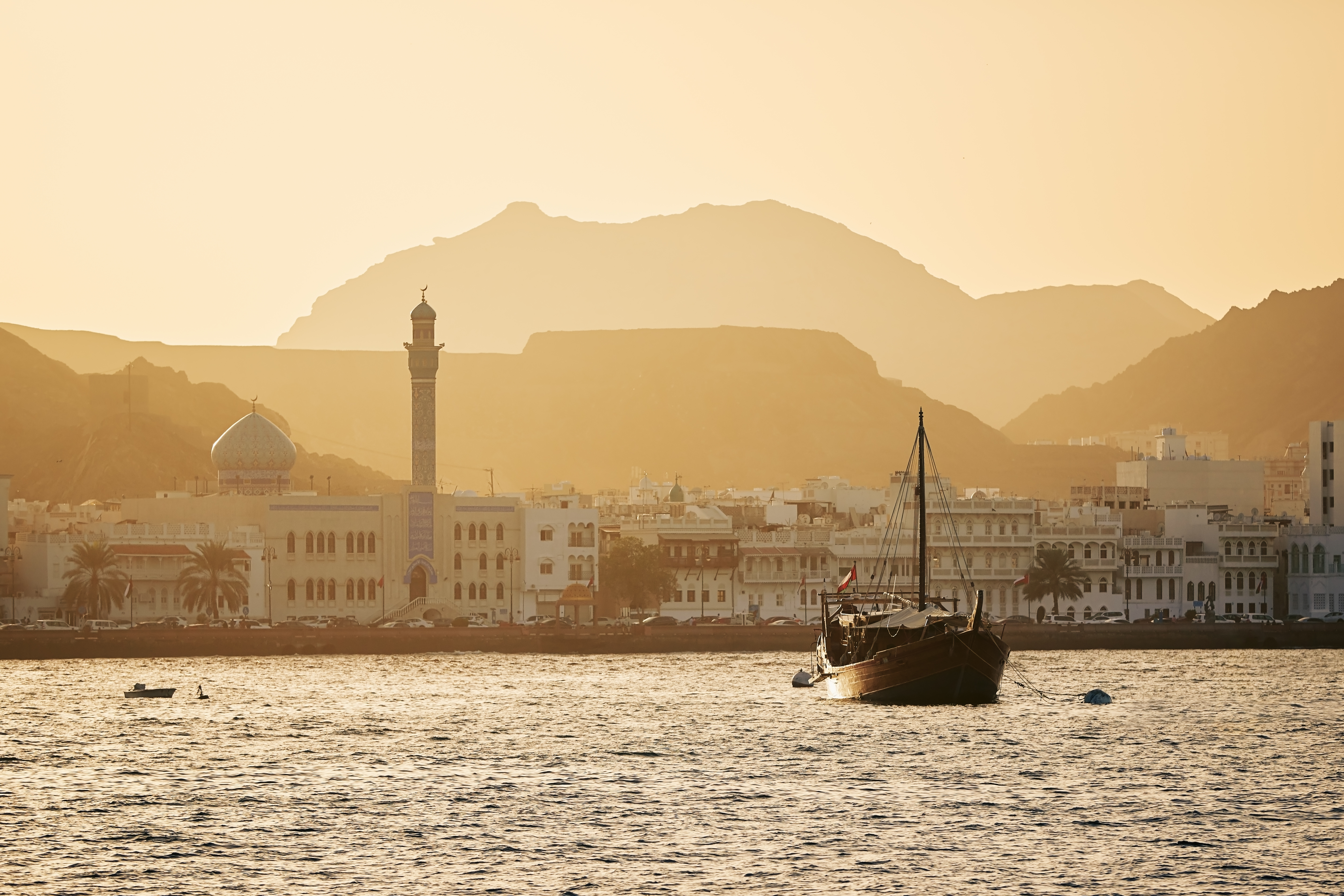
Traditional architecture is one of the clearest ways to understand Muscat culture. The city’s built environment reflects Oman’s history, Islamic heritage and long-standing connection to trade, defence and coastal life. Rather than relying on high-rise skylines, Muscat has preserved a distinctive architectural character shaped by whitewashed buildings, carved wooden doors, arched windows, decorative screens and low-rise structures that sit naturally against the mountains and sea.
This respect for architectural identity is visible across the city, from the grandeur of Sultan Qaboos Grand Mosque to the historic presence of Al Jalali and Al Mirani forts. In Old Muscat, traditional buildings and civic landmarks show how the capital has developed while maintaining a strong connection to its past. For visitors planning a culture trip to Muscat, the city’s architecture offers a quiet but powerful introduction to Oman’s values: modesty, craftsmanship, continuity and respect for place.

Muscat is a city rich in history and culture, with many landmarks that reflect Oman’s heritage and significance. From the grandeur of the Sultan Qaboos Grand Mosque to the bustling atmosphere of Mutrah Souq, there is much to explore.
Whether you’re a visitor or living in Muscat, these cultural sites provide a deeper understanding of Oman’s past, while offering visitors the opportunity to appreciate the country’s architectural beauty and artistic achievements.
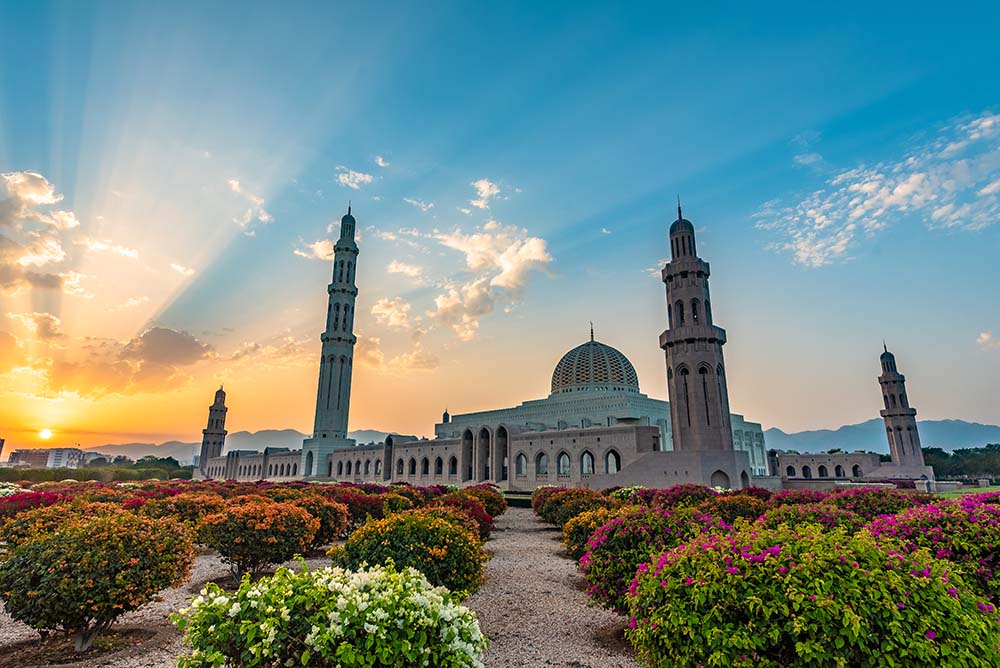
Sultan Qaboos Grand Mosque is one of Muscat’s most important cultural and religious landmarks. Its scale, symmetry and intricate craftsmanship make it an essential stop for visitors interested in Islamic architecture. The mosque is open to non-Muslim visitors at specific times, with modest dress required.
A visit here offers insight into Oman’s religious identity and its approach to beauty, order and craftsmanship. The mosque is not only a place of worship, but also a symbol of national pride and cultural continuity.
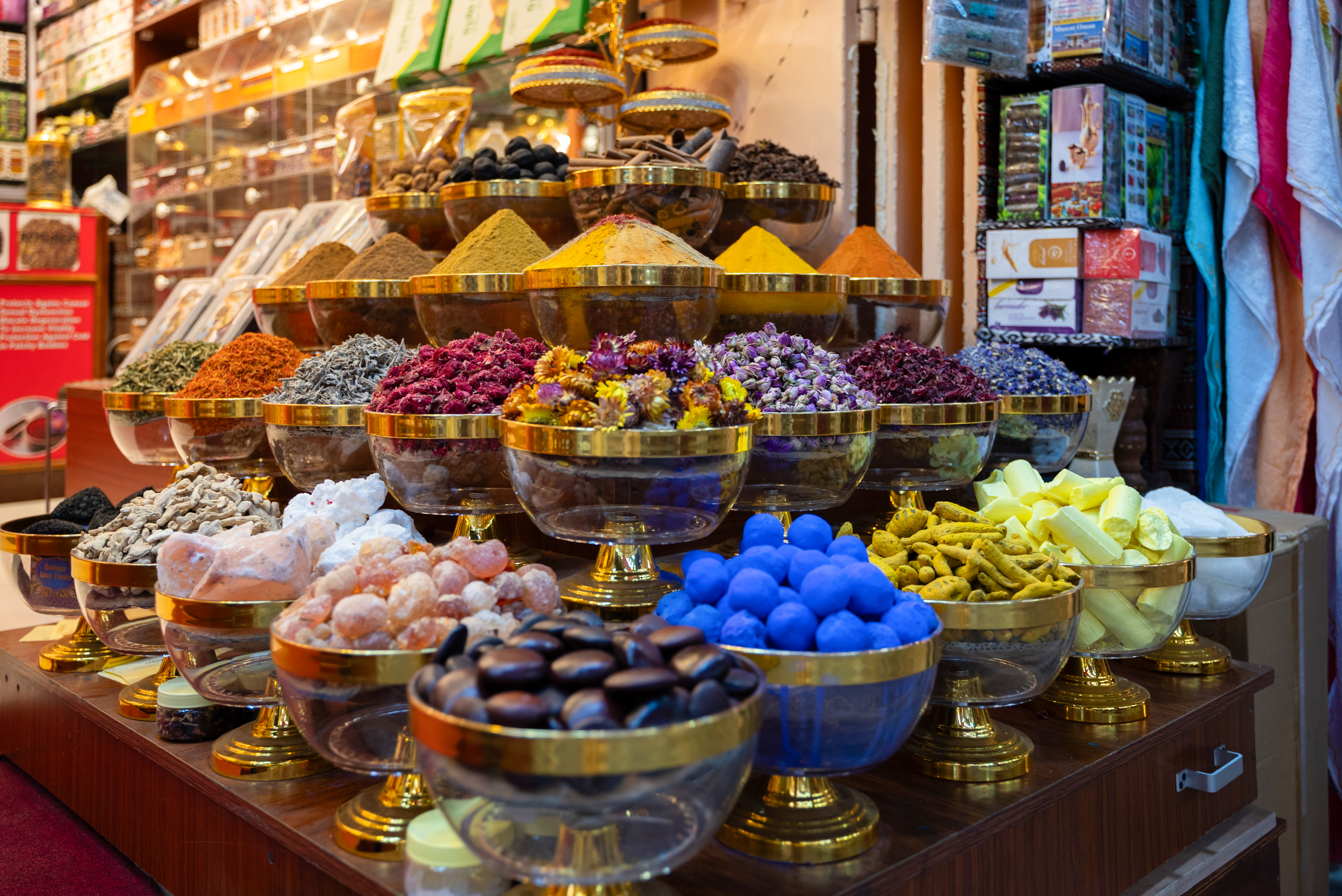
Mutrah Souq is one of the best places to experience traditional Muscat culture. Its covered lanes are filled with frankincense, textiles, silver jewellery, spices, perfumes and Omani handicrafts. The souq reflects Muscat’s trading history and remains a lively place for both residents and visitors.
For a more rewarding visit, take time to walk slowly, compare stalls and observe the rhythm of the market. The surrounding Corniche also offers views across the harbour, making Mutrah a useful starting point for understanding the city’s connection to the sea.
The National Museum of Oman provides a deeper understanding of the country’s history, maritime heritage, traditional crafts and cultural development. It is a valuable stop for visitors who want context before exploring Muscat’s forts, souks and older neighbourhoods.
The museum is especially useful for longer-stay guests and families because it gives structure to the broader story of Oman. It helps explain how trade, religion, craftsmanship and geography shaped the country’s identity.
Al Jalali and Al Mirani forts stand near Muscat’s harbour and are among the city’s most recognisable historic landmarks. Their position overlooking the sea reflects Muscat’s defensive and maritime past.
Although access may be limited, the forts remain important visual markers of Old Muscat. They are best appreciated as part of a wider visit to the historic district, including the palace area, waterfront and nearby museums.
The Royal Opera House Muscat shows the city’s contemporary cultural side. Its programme includes classical music, opera, regional performances and international productions. The building itself is also worth visiting for its architecture and cultural significance.
For guests interested in the modern Muscat lifestyle, the opera house demonstrates how Oman supports cultural exchange while maintaining a strong national identity.
Muscat Gate is an important cultural landmark marking the entrance to Old Muscat. Once part of the city’s defensive walls, it reflects Muscat’s history as a protected harbour city and long-standing centre of trade, governance and cultural exchange.
Today, Muscat Gate offers a clear connection between the capital’s past and present. Its location makes it a useful starting point for exploring Old Muscat, nearby heritage sites and the traditional architecture that continues to shape the city’s cultural identity.
For travellers planning a culture trip to Muscat, Fraser Suites Muscat offers a comfortable and well-connected base for experiencing the city’s heritage, traditions and modern lifestyle. Located within easy reach of key cultural landmarks, the property allows guests to explore Muscat culture at a settled pace, from the historic lanes of Mutrah Souq to the architectural beauty of Sultan Qaboos Grand Mosque. Whether visiting for business, leisure or an extended stay, Fraser Suites Muscat provides the space and flexibility to experience Oman culture while maintaining everyday comfort.
For guests who want more space than a standard hotel room, Fraser Suites Muscat combines the flexibility of a serviced residence with the comfort and facilities of a 5-star hotel apartment. The property is well suited to families, business travellers and longer-stay guests, with studio, one-, two- and three-bedroom suites offering spacious living areas, fully equipped kitchens and high-speed internet.
The facilities are designed to support both short visits and extended stays. Guests can enjoy a rooftop swimming pool, gym, spa, kids’ area, two restaurants, a coffee shop and a ladies salon, creating a comfortable base for cultural discovery, work and relaxation.
About Us:
Fraser Suites Muscat offers a luxurious and culturally enriching experience for visitors, where it combines modern comforts with easy access to the city’s key cultural landmarks. Whether you’re in Muscat for business or leisure, Fraser Suites Muscat provides an ideal base for exploring the city’s historical sites, bustling souks, and modern amenities.
Our suites are designed with elegance and convenience in mind, offering a choice of well-appointed rooms, including studio apartments, one-, two- and three-bedroom suites. Each suite features modern amenities such as a fully equipped kitchen, a spacious living area, and high-speed internet, ensuring comfort for both short and long stays. Guests can also enjoy leisure facilities such as an outdoor pool, gym, and restaurant, allowing for a balanced stay between cultural exploration and relaxation.
Located close to Muscat’s top attractions, including the Mutrah Souq and Sultan Qaboos Grand Mosque, Fraser Suites Muscat offers guests the chance to experience the best of Oman culture while enjoying the comforts of home.

Don't forget to grab our latest deals for your top-notch Muscat visit and explore the city for less.
Muscat culture is known for its hospitality, Islamic heritage, traditional architecture, maritime history, souks, Omani cuisine and strong sense of community. The city combines modern infrastructure with deep respect for tradition, making it one of the best places to experience Omani culture.
Yes, Muscat is an excellent destination for a culture trip. Visitors can explore Sultan Qaboos Grand Mosque, Mutrah Souq, the National Museum of Oman, Old Muscat, the Royal Opera House Muscat and historic forts. The city also offers local food, traditional crafts and a calm lifestyle that reflects Omani values.
Yes, Muscat is suitable for longer stays, especially for business travellers, relocating professionals and families. The city offers modern services, cultural attractions, international amenities and a safe, welcoming environment. Luxury serviced apartments in Muscat, Oman are useful for longer stays because they provide more space, kitchen facilities and support for daily routines.
Modest clothing is recommended when visiting cultural and religious sites in Muscat. Men should usually wear shirts with sleeves and long trousers. Women should cover shoulders and knees, and may need a headscarf when visiting mosques. Comfortable, respectful clothing is suitable for most public places.
The Muscat lifestyle is calm, family-oriented and shaped by a balance of tradition and modern convenience. The city offers shopping centres, restaurants, beaches, cultural venues and business facilities, while maintaining strong links to Omani customs, hospitality and Islamic values.
The best cultural places to visit in Muscat include Sultan Qaboos Grand Mosque, Mutrah Souq, the National Museum of Oman, Al Jalali and Al Mirani forts, Muscat Gate, the Royal Opera House Muscat and the Corniche. These sites provide insight into Oman’s history, architecture, religion and daily life.
For a culture trip to Muscat, choose accommodation that offers easy access to cultural landmarks, dining, shopping and transport. Fraser Suites Muscat provides spacious apartment-style accommodation with fully equipped kitchens, family-friendly facilities and 5-star amenities, making it suitable for guests who want comfort, flexibility and a convenient base for exploring the city.


Contact Us
Landmark Building, 23 July Street, PO Box 410, P.C 133, Al Khuwair, Muscat, Sultanate of Oman