25 March 2026
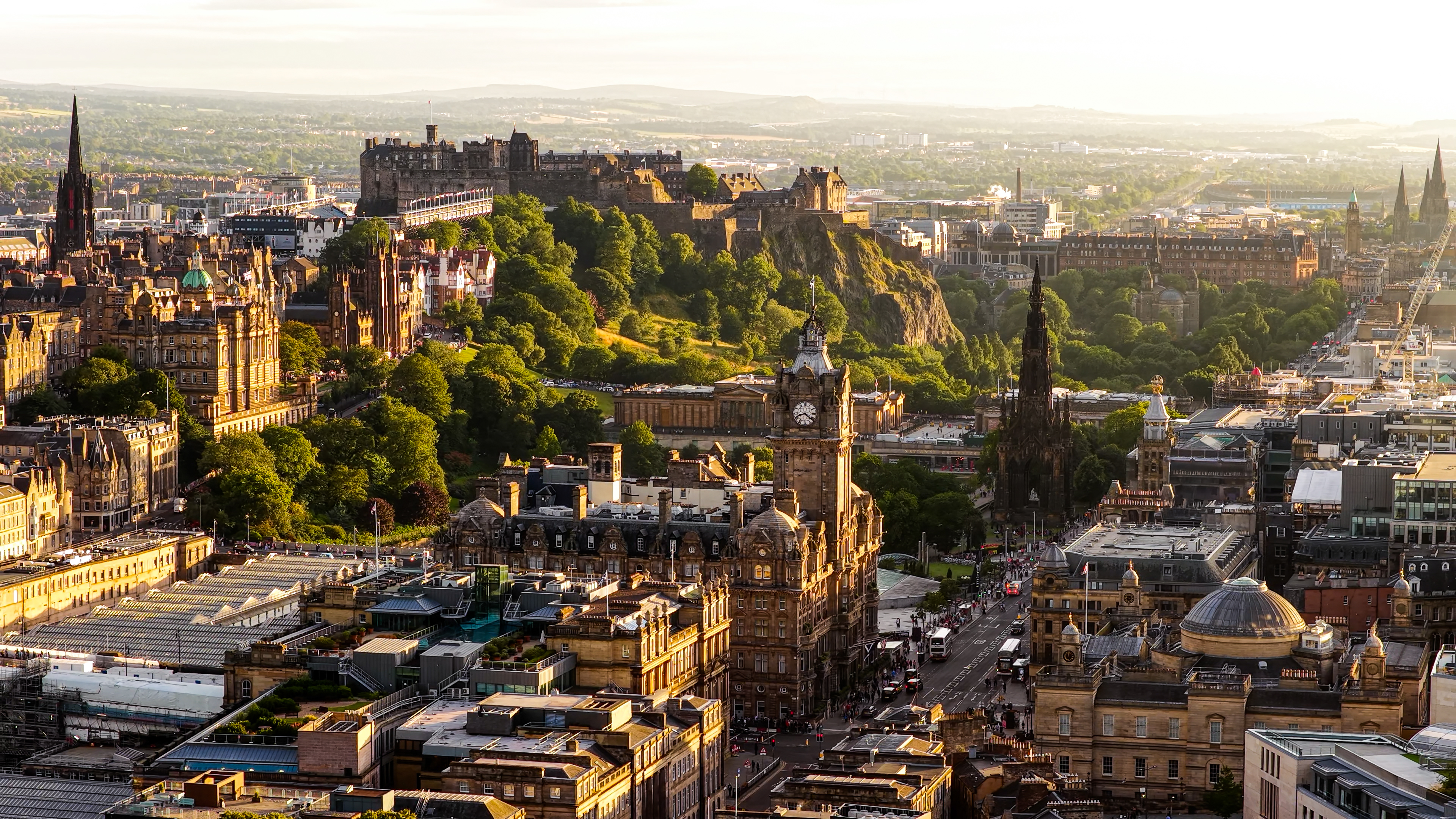
Edinburgh's cultural identity is not something the city has cultivated in the conventional way. It has been accumulated over centuries, compressed into a remarkably small geography, and preserved with an attentiveness to its own history that sets it apart from most European capitals. The Old Town and New Town together form a UNESCO World Heritage Site, and the density of what that designation contains, from medieval castle to Georgian terrace, from royal palace to one of the finest collections of Scottish painting anywhere in the world, makes Edinburgh one of the most rewarding cities in Britain for a culturally motivated stay.
The culture of Edinburgh is not confined to its institutions. It lives in the cobbled closes off the Royal Mile, in the architecture of the New Town's planned grid, in the Writers' Museum tucked into a courtyard a few steps from the main street, and in the particular energy of a city that hosts, each August, the largest arts festival on the planet. Guests staying at Fraser Suites Edinburgh on Thistle Street, where accommodation options range from classic doubles to the Observatory Suite and Courant Suite, are well placed to explore all of it, with the National Galleries, the Old Town, and the principal cultural venues all within walking distance of the residence.
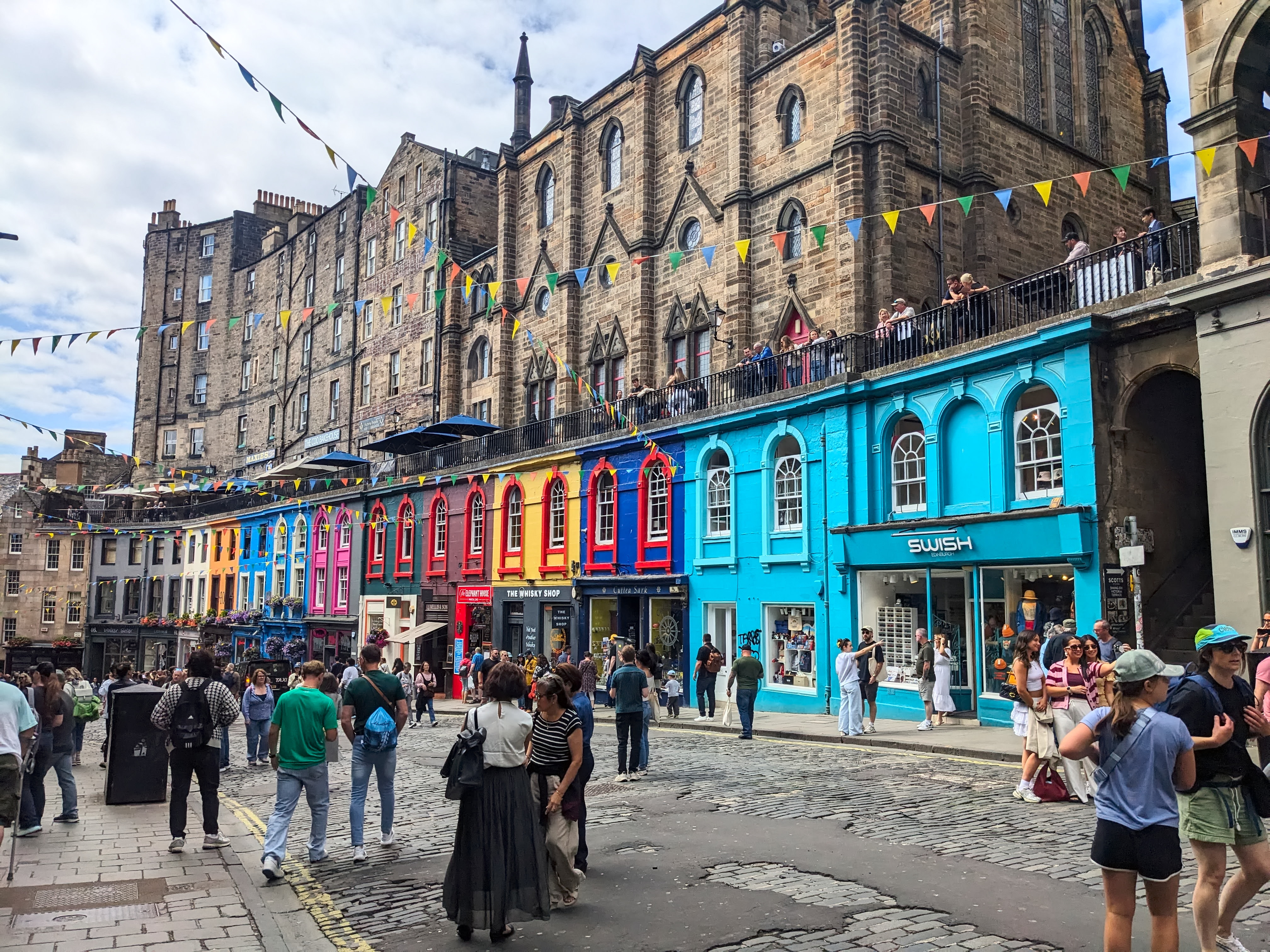
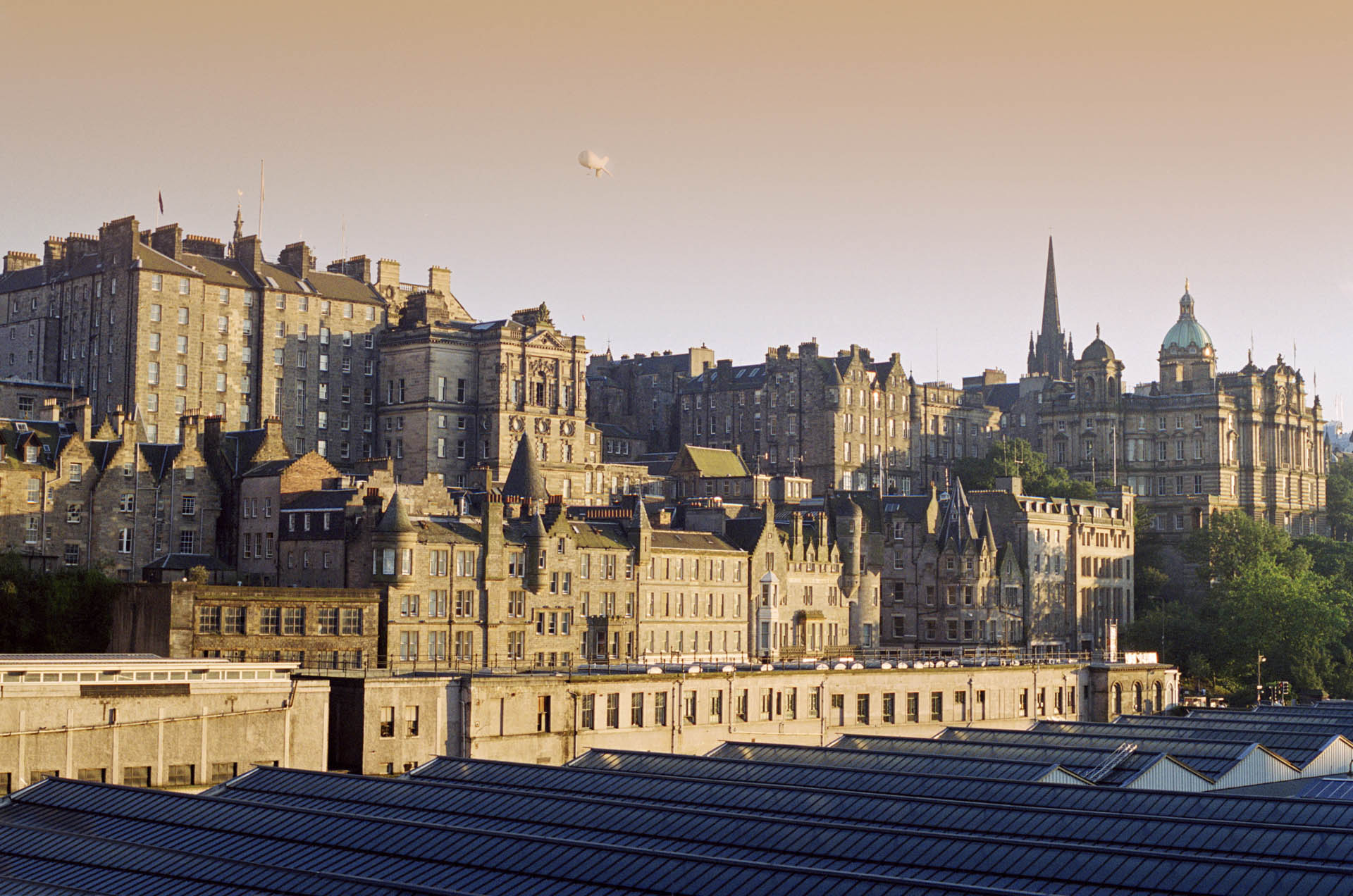
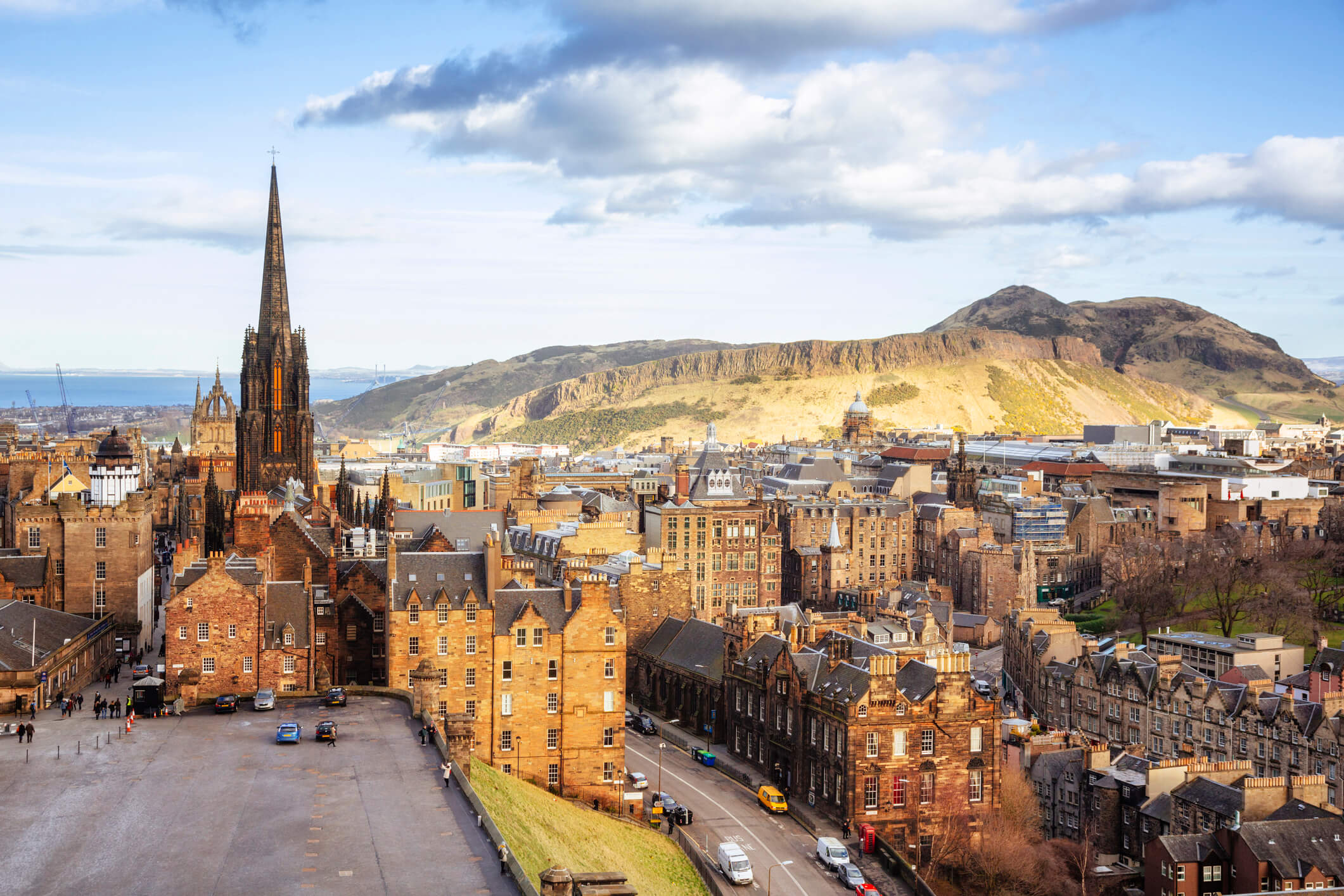
The Old Town is the starting point for any cultural exploration of Edinburgh. The medieval street plan, shaped by the geology of the volcanic crag that Edinburgh Castle sits on, has produced a city unlike any other in Britain: a single main ridge, the Royal Mile, descending from castle to palace, with a dense network of closes and wynds running off it on either side.
Edinburgh Castle has served successively as royal residence, treasury, garrison, and prison across its recorded history, making it one of the most layered historic sites in Scotland. The Scottish Crown Jewels, known as the Honours of Scotland, are among the oldest royal regalia in the British Isles and are housed within the castle alongside the Stone of Destiny, returned from Westminster in 1996. The National War Museum within the castle walls traces Scotland's military history in depth. Booking tickets in advance is strongly recommended, particularly during the summer months when visitor numbers are highest and the annual Royal Edinburgh Military Tattoo transforms the esplanade into one of the most atmospheric performance spaces in the world.
The Royal Mile connects the castle to the Palace of Holyroodhouse across a kilometre of historic streetscape, and the buildings on either side of it represent almost every period of Edinburgh's architectural history. Makars' Court, a quiet courtyard just off the Mile, contains carved paving stones celebrating Scottish writers from the 14th century to the present, and leads to the Writers' Museum, which holds personal effects, manuscripts, and editions associated with Robert Burns, Walter Scott, and Robert Louis Stevenson. The museum is free, small enough to visit in under an hour, and provides a more intimate engagement with Edinburgh's literary culture than the larger institutions nearby.
At the foot of the Royal Mile, the Palace of Holyroodhouse is the official Scottish residence of the monarch and one of the most historically significant buildings in the country. The State Apartments are open to visitors and contain a remarkable sequence of historic rooms associated with Mary, Queen of Scots, whose private chambers include the turret room where her secretary David Rizzio was murdered in 1566. Adjacent to the palace, the King's Gallery presents rotating exhibitions drawn from the Royal Collection, and the grounds of Holyrood Park, dominated by Arthur's Seat, provide one of the most dramatic natural settings available within walking distance of a city centre anywhere in Britain.
Edinburgh's national gallery network is one of the strongest arguments for the city as a cultural destination. All three principal sites are free to enter for permanent collections, and together they represent a breadth of artistic coverage from early Renaissance to contemporary that rivals much larger capitals.
The National Galleries of Scotland: National, set on the Mound between the Old and New Towns, houses Scotland's national collection of fine art from the early Renaissance to the early 20th century. The collection includes works by Raphael, Velázquez, Vermeer, Monet, Cézanne, and Van Gogh alongside the most comprehensive representation of Scottish painting anywhere in the world, covering Ramsay, Raeburn, and Wilkie. Henry Raeburn's The Skating Minister, one of the most reproduced images in Scottish cultural history, is held here. The building itself, a fine example of neoclassical design, sits in a commanding position above Princes Street Gardens, and the Scottish Café and Restaurant within it provides one of the better dining views in the city centre.
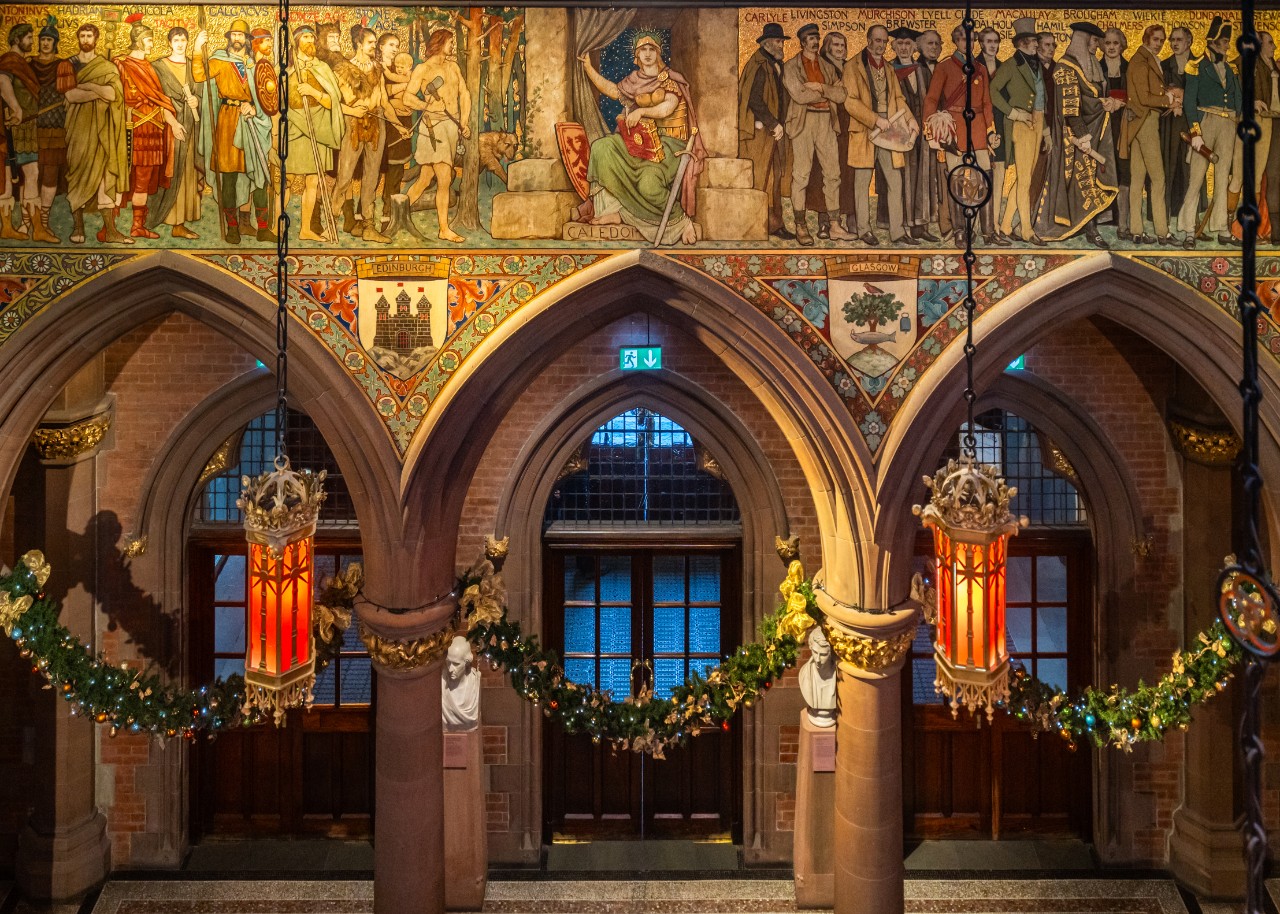
The Scottish National Portrait Gallery on Queen Street was the first purpose-built portrait gallery in the world when it opened in 1889, designed by Sir Robert Rowand Anderson with architecture inspired by the Doge's Palace in Venice. The collection brings together portraits spanning painting, photography, sculpture, and film, covering figures from Mary, Queen of Scots and Bonnie Prince Charlie to contemporary Scottish cultural and public life. The building's red sandstone Gothic exterior and the decorated interior frieze, which runs a continuous procession of significant figures from Scottish history around the main hall, make it as architecturally interesting as it is culturally significant.
The Scottish National Gallery of Modern Art, housed in two neo-classical buildings known as Modern One and Modern Two near the Dean Village, covers 20th and 21st century art across a collection that includes significant holdings of post-war European and international work alongside Scottish modern art. The grounds between the two buildings contain an outdoor sculpture collection that includes works by Henry Moore and Barbara Hepworth, and the landscaped landwork by Charles Jencks gives the approach to Modern One an unusual, considered quality. The gallery is free, and the café in Modern One is worth the walk independently of the collection.
The National Museum of Scotland on Chambers Street is Edinburgh's largest and most visited museum, and one of the most comprehensive collections of its kind in the world. The building merges a Victorian Grand Gallery, with soaring pillars and a magnificent glass ceiling, with a contemporary extension dedicated to telling Scotland's story from its geological and natural history origins through to the modern era.
The collections cover Scottish history and archaeology, world cultures, science and technology, art, design, and the natural world, making it possible to spend a full day without exhausting what it offers. Among the highlights are Dolly the Sheep, the first mammal cloned from an adult cell; a significant collection of Scottish medieval artefacts; and an overview of the country's industrial and engineering history that gives proper weight to Scotland's contribution to the wider world. Entry is free.
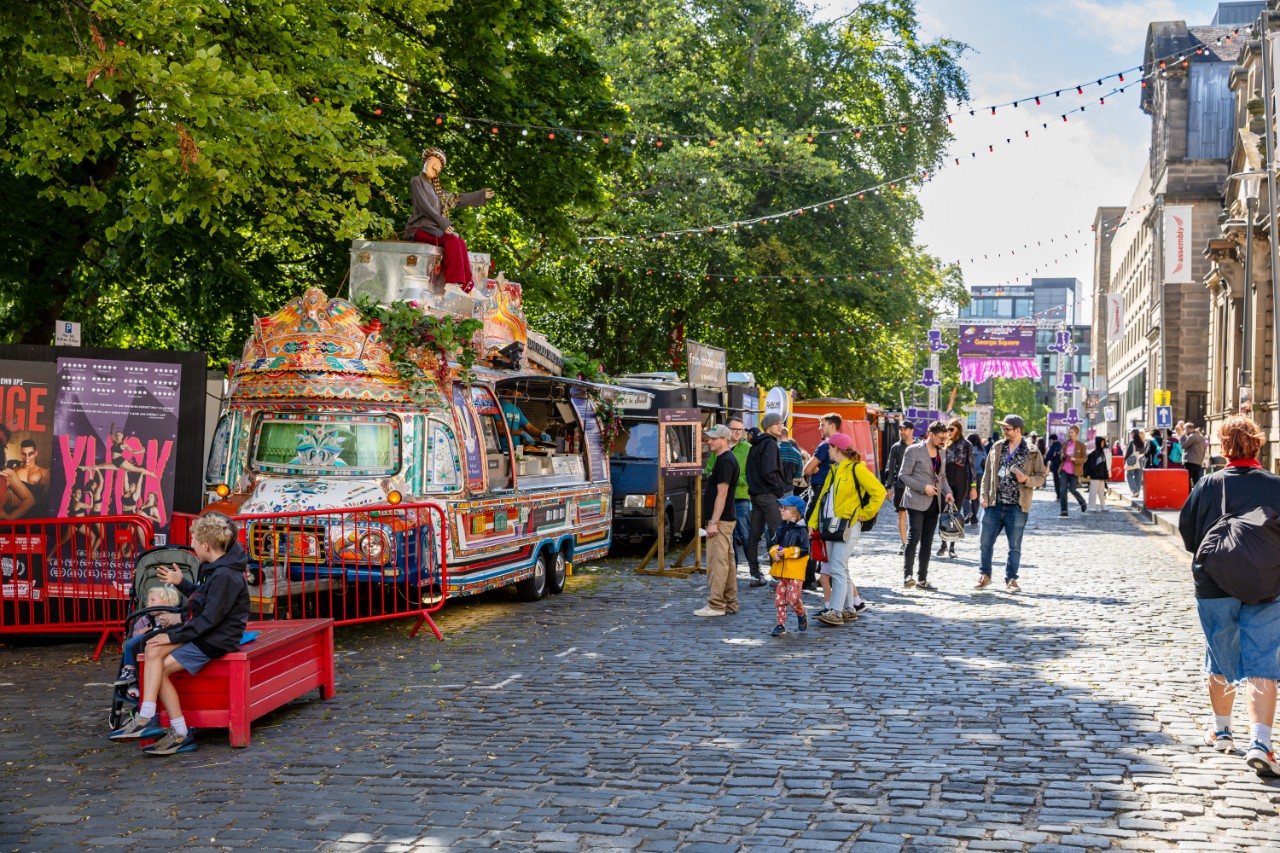
Edinburgh's identity as a festival city is central to understanding its cultural character. The city hosts more major festivals than any comparable European capital, and the concentration of events across the calendar year means that the question of what is happening culturally in Edinburgh is rarely one that goes unanswered. The largest of these, the Edinburgh Festival Fringe, is the biggest arts festival in the world, transforming the city each August into a venue of extraordinary scale and variety. A full guide to planning a visit around it is available in the Edinburgh Fringe guide on the city guide.
The Edinburgh International Festival, running concurrently with the Fringe each August, presents curated programming of opera, classical music, theatre, and dance at the highest international level. The Scottish Chamber Orchestra, the Royal Scottish National Orchestra, and major international companies perform across the city's principal venues, including the Usher Hall, the Festival Theatre, and the Royal Lyceum Theatre. The programme rewards advance booking, with the most sought-after productions selling out months ahead.
Burns Night on 25 January marks the birthday of Robert Burns and is celebrated across Edinburgh and Scotland with suppers, poetry, and the traditional Address to a Haggis. In Edinburgh, the occasion is observed at restaurants, hotels, and private gatherings throughout the city with a seriousness that reflects Burns's central place in Scottish cultural identity. The Burns Night guide covers how to experience the occasion in Edinburgh in depth, from formal suppers to more informal evening events.
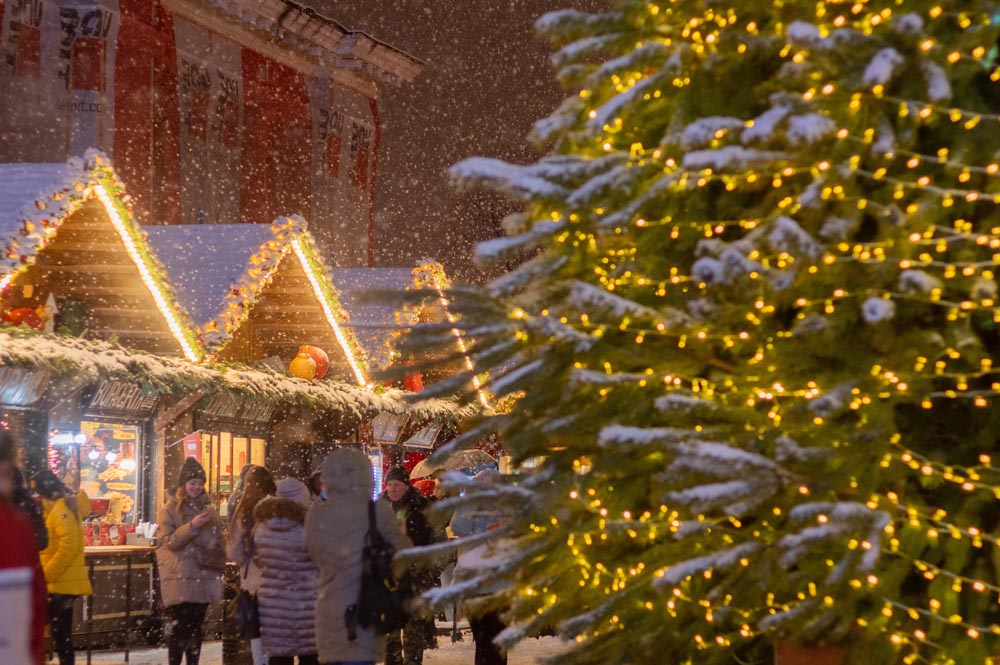
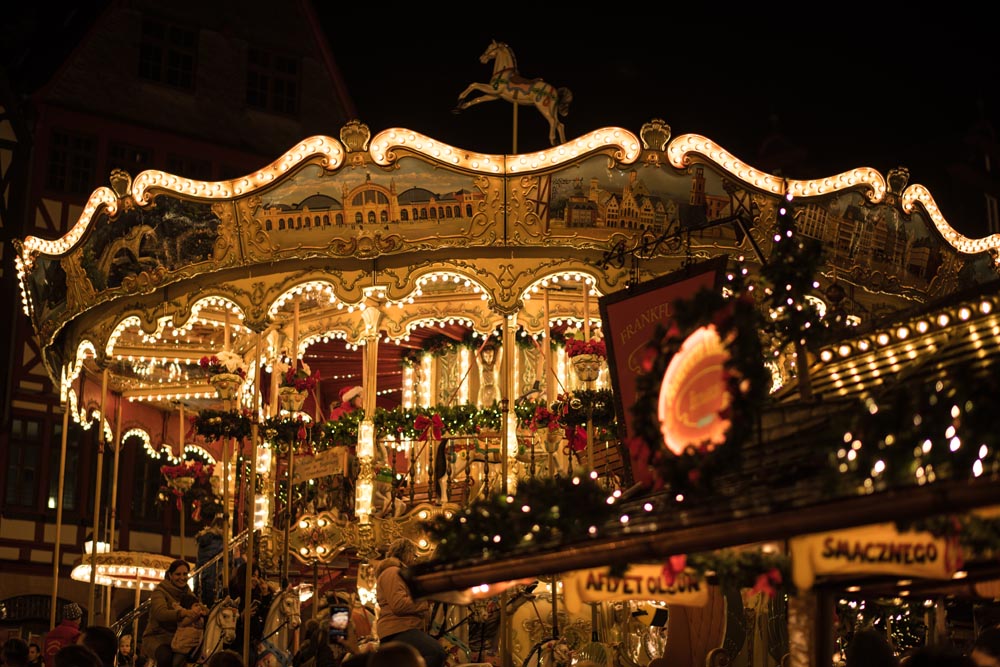
The cultural calendar extends well beyond the August festival season. Edinburgh's Christmas markets and Hogmanay celebrations give winter a particular energy, and the city's galleries and museums operate year-round regardless of season. Edinburgh in summer brings the full weight of the festival programme alongside the particular quality of the city in long daylight hours, while Edinburgh in autumn offers the same cultural institutions at a quieter pace, with the colour of the surrounding landscape adding a different character to the walks between them.
The New Town, designed by James Craig in 1767 and developed across the following decades, is one of the finest examples of Georgian urban planning in Europe and forms the other half of Edinburgh's World Heritage Site designation. The grid of terraces, squares, and gardens running north from the Old Town represents a different kind of cultural attraction from the medieval closes and castle rock: an argument made in stone and civic ambition about what a city could aspire to be in the Age of Enlightenment.
Charlotte Square at the western end of George Street contains Georgian House, a National Trust for Scotland property that presents a meticulously restored townhouse interior as it would have appeared around 1800. The Scott Monument in Princes Street Gardens, 61 metres high and the largest monument to a writer in the world, offers panoramic views from its upper levels and anchors the northern edge of the Old Town with a Victorian tribute to the novelist who, more than anyone, created the romantic image of Scotland that the world still largely holds. The New Town's streets and gardens are walkable from Fraser Suites Edinburgh and reward an unhurried morning on foot as a complement to the museums and galleries.
Fraser Suites Edinburgh occupies a converted historic building on St Giles Street in the heart of Edinburgh’s Old Town, just off the Royal Mile and steps from St Giles’ Cathedral. The property places guests within easy walking distance of many of the city’s major cultural landmarks, including Edinburgh Castle, around a five-minute walk away, as well as the National Galleries on the Mound and the Scottish National Portrait Gallery on Queen Street. Princes Street and the New Town are also easy to reach, with the walk taking around eight minutes via The Mound or Waverley Steps.
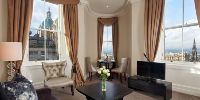
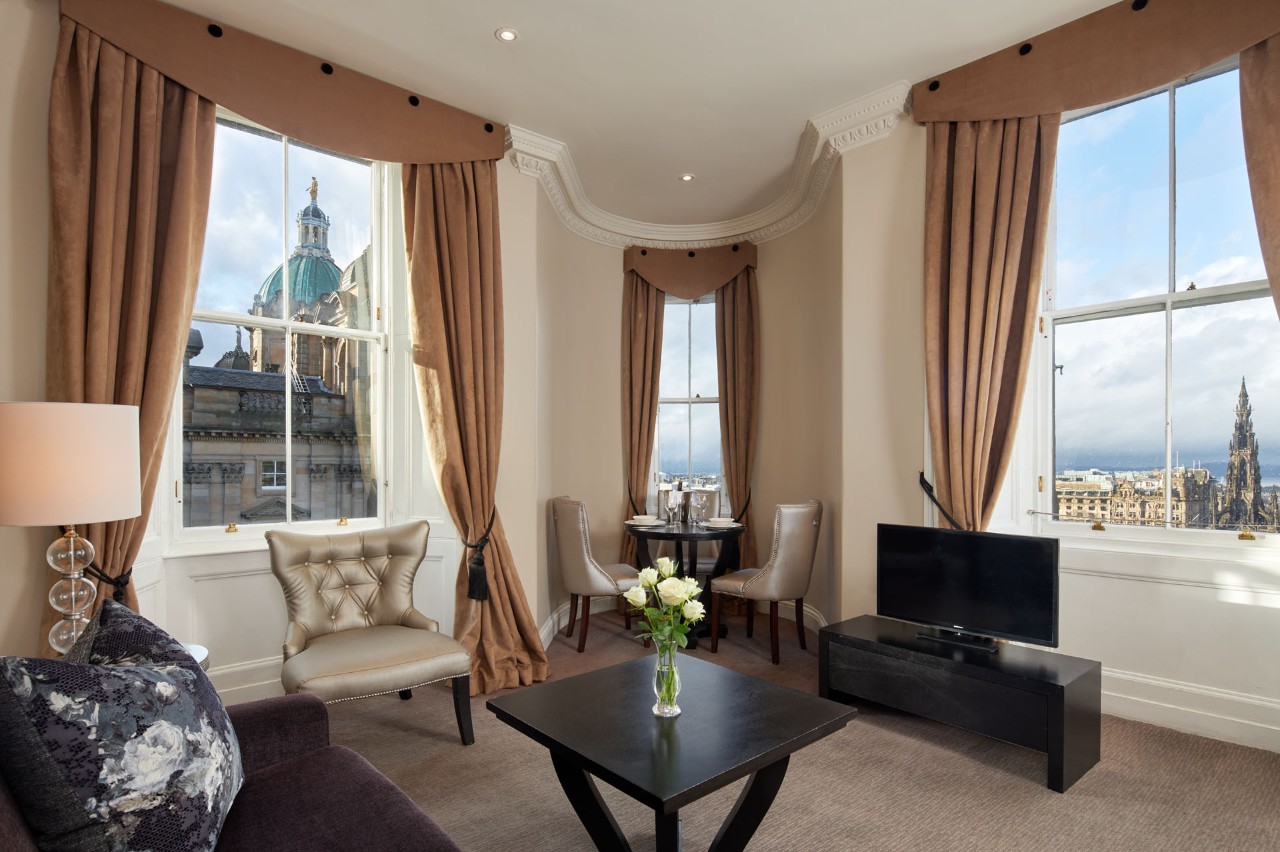
Accommodation ranges from classic doubles and studio apartments to the Observatory Suite and Courant Suite, with city views available across several categories. Each room and apartment is fully furnished with contemporary fittings and the extra space that makes a cultural stay, with its long days on foot and late evenings, more comfortable than a standard hotel room.
On-site facilities include breakfast, a newly renovated gym, and a 24-hour Front Office team who can assist with local recommendations, gallery information, festival tickets and guided tour bookings across the city. For guests planning a longer visit to take in Edinburgh’s full cultural offer, Fraser Suites Edinburgh provides a well-connected Old Town base close to the Royal Mile, Edinburgh Castle and the city’s main gallery districts. The full range of what the neighbourhood and wider city offer is covered in the Edinburgh city guide. View current offers to plan your stay.
Edinburgh is known for its medieval Old Town and Georgian New Town, both UNESCO World Heritage Sites; the Edinburgh Festival Fringe, the largest arts festival in the world; the National Galleries of Scotland; Edinburgh Castle and the Palace of Holyroodhouse; and a deep literary tradition associated with Robert Burns, Walter Scott, and Robert Louis Stevenson. The city also hosts the Edinburgh International Festival, Burns Night celebrations, and one of the strongest museum networks in the United Kingdom.
The National Galleries of Scotland: National, Scottish National Portrait Gallery, and Scottish National Gallery of Modern Art are all free and collectively represent one of the strongest art gallery networks in Britain. The National Museum of Scotland on Chambers Street is the most comprehensive museum in the city. Edinburgh Castle and the Palace of Holyroodhouse are the most significant historic sites. The Writers' Museum and the Royal Mile provide a more intimate engagement with Edinburgh's literary and architectural heritage.
The permanent collections of all three National Galleries of Scotland are free, as is the National Museum of Scotland, the Scottish National Portrait Gallery, the Writers' Museum, and the Museum of Edinburgh. Holyrood Park and Arthur's Seat are free to access. Princes Street Gardens and the New Town streetscape can be explored without charge. Most temporary exhibitions at the national institutions carry a ticket price.
August brings the Edinburgh International Festival and the Fringe, the most concentrated cultural programme of the year. January is significant for Burns Night on the 25th. The Christmas and Hogmanay period from late November through to 1 January has its own distinctive cultural energy. However, Edinburgh's galleries and museums are open year-round and the city rewards a culture trip in any season. The 30 best things to do in Edinburgh covers the full range of what the city offers beyond its festivals.
Fraser Suites Edinburgh is on Thistle Street in the New Town, placing it within ten minutes' walk of the National Galleries on the Mound, the Scottish National Portrait Gallery on Queen Street, and Princes Street Gardens. The Old Town, Royal Mile, Edinburgh Castle, and National Museum of Scotland are all reachable on foot in fifteen to twenty minutes. Holyroodhouse and the Scottish Parliament are at the far end of the Royal Mile, approximately twenty-five minutes on foot from the residence.
Edinburgh is one of the strongest cities in Britain for a culturally motivated stay. The concentration of free galleries, museums, and historic sites within a walkable city centre, combined with a year-round festival calendar and the particular character of the Old and New Town together, makes it well suited to visitors who want depth from a city break rather than a surface-level tour. The city's scale means that most of its principal cultural attractions can be reached on foot from a single well-located base.

Contact Us
12, 26 St Giles' Street, Edinburgh EH1 1PT, United Kingdom