
07 April 2026
Glasgow has always known what it wants to eat, and it has never been shy about it. This is the city that turned a post-industrial strip in Finnieston into one of Britain's most talked-about restaurant neighbourhoods, that sustains a world-famous weekend market in the Barras while quietly building new farmers' markets across its West End, and that keeps its kitchens and bars running well into the early hours as a matter of course. The food in Glasgow moves between the traditional and the contemporary, between market stalls and Michelin-starred dining rooms, in a way that rewards spending time across several neighbourhoods rather than settling into just one.
Fraser Suites Glasgow on Albion Street sits in the heart of the Merchant City, within walking distance of the city's most significant food areas. Browse accommodation options and current offers to make it your base. This guide covers the essential Glasgow food experience, from the Scottish dishes worth knowing to the markets, restaurants, and late-night spots that make the city worth staying in properly.
Before diving into where to eat, it is worth understanding what Scottish cooking actually is, because it tends to be underestimated. The tradition is richer than its reputation suggests, and Glasgow's restaurants range from those serving it in its most traditional form to those doing something genuinely contemporary with its ingredients. Getting to grips with even a handful of the key dishes makes every meal considerably more rewarding.
Haggis divides people who have never tried it and unites most of those who have. Scotland's national dish is made from sheep offal combined with oatmeal, onions, and spices, served alongside mashed neeps (turnip) and tatties (potato). The combination is warmer and more satisfying than the description suggests, and most traditional Scottish restaurants carry it year-round for good reason. Vegetarian haggis, made with lentils, beans, and oatmeal, is equally widespread and worth trying on its own terms rather than as a compromise. Mharsanta on Candleriggs, named Best City Centre Restaurant and Bar 2025 at the SME News Scottish Enterprise Awards, is one of the more consistent places in the Merchant City to try it properly.
On a cold Glasgow afternoon, few things make a stronger argument for Scottish cooking than a bowl of Cullen skink: a thick, creamy soup of smoked haddock, potato, and onion where the smokiness of the fish cuts through the richness of the broth in a way that is difficult to replicate with anything else. Scotland's coastal waters also produce some of the finest seafood in the world, and Glasgow's best fish restaurants make full use of that proximity. Crabshakk on Argyle Street in Finnieston has built its reputation around ethically sourced Scottish shellfish, while the Finnieston Bar and Restaurant on the same strip offers a seafood-focused menu in a characterful setting with a garden that comes into its own in summer.
Cranachan is Scotland's most celebrated dessert, and it earns that status. Whipped cream layered with toasted oats, fresh raspberries, honey, and a measure of Scotch whisky: the combination is genuinely good rather than merely traditional, and it appears on menus across Glasgow's Scottish restaurants for that reason. A dram of whisky from a bar with a serious selection is the natural way to finish a Scottish meal in the city, and Glasgow has no shortage of bars that take their whisky seriously.
Glasgow's food market scene is one of the most varied in Scotland, ranging from the oldest and most atmospheric trading ground in the East End to a converted Finnieston warehouse that reinvents the format entirely for a contemporary audience. Whether you are after heritage character, fresh local produce, or a Saturday morning spent eating your way through global street food, the city has a market worth building a morning around.
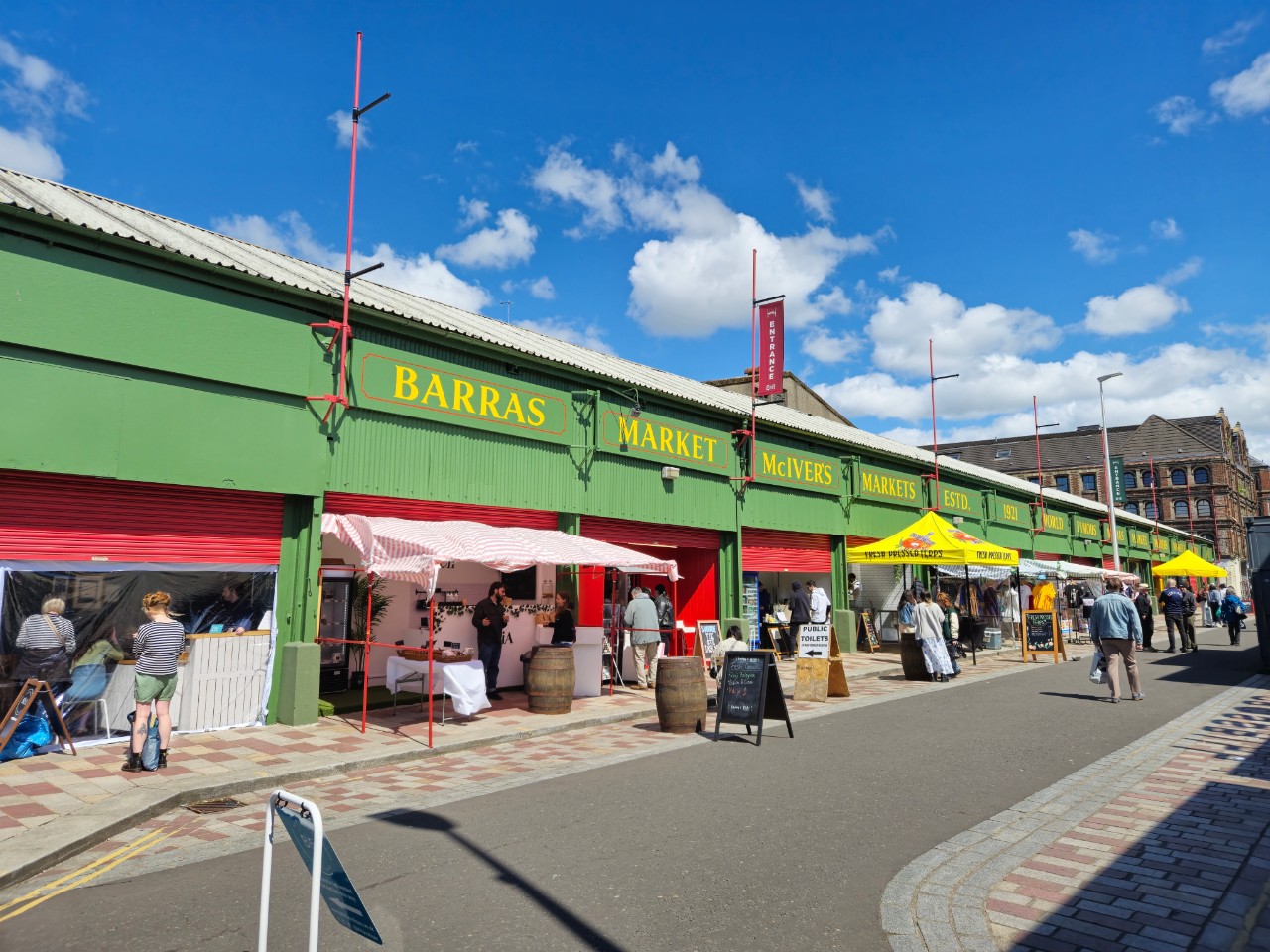
The Barras Market in the East End has been a Glasgow institution for over a century, operating on weekends around the Gallowgate in an area that still carries the particular energy of a place that has always been about buying and selling. Food stalls and street food vendors operate alongside its broader trading activity, and the surrounding neighbourhood has developed a creative independent food identity in recent years that sits comfortably alongside the market's older character. It resists a polished summary. The energy is particular to it, and the experience is better encountered directly on a Saturday or Sunday morning than described in advance.
The Rail Yard at Kelvinbridge runs a weekly farmers' market every Saturday from 10am to 3pm, bringing together local producers, bakers, and makers with fresh seasonal Scottish produce in a setting that makes it easy to spend longer than intended. Glasgow's official Farmers' Markets operate on alternating Saturdays in Partick and Shawlands, with between 30 and 40 local producers attending each week covering vegetables, meat, eggs, bread, cheese, and street food. For guests staying at Fraser Suites Glasgow, a Saturday morning at either market followed by an afternoon cooking with fresh Scottish ingredients in the property's fully equipped kitchenette is one of the more rewarding ways to engage with Glasgow's food culture directly.
The Dockyard Social near Finnieston takes the market format and does something entirely contemporary with it. A converted warehouse hosts around ten rotating street food traders each weekend alongside craft beer and cocktails, with a global spread that runs from Thai and Japanese to tacos and ramen. It is well suited to groups where everyone wants something different, and the atmosphere on a weekend afternoon has an energy that the more formal restaurant options in the area tend not to match.
Glasgow's food culture does not concentrate in one place. It distributes itself across neighbourhoods that each have a distinct personality: Finnieston's restaurant-dense strip, the Merchant City's Georgian dining quarter, the West End's independent and neighbourhood-focused scene. Each rewards time on its own terms, and moving between them across a stay is the most complete way to understand what the city actually eats.
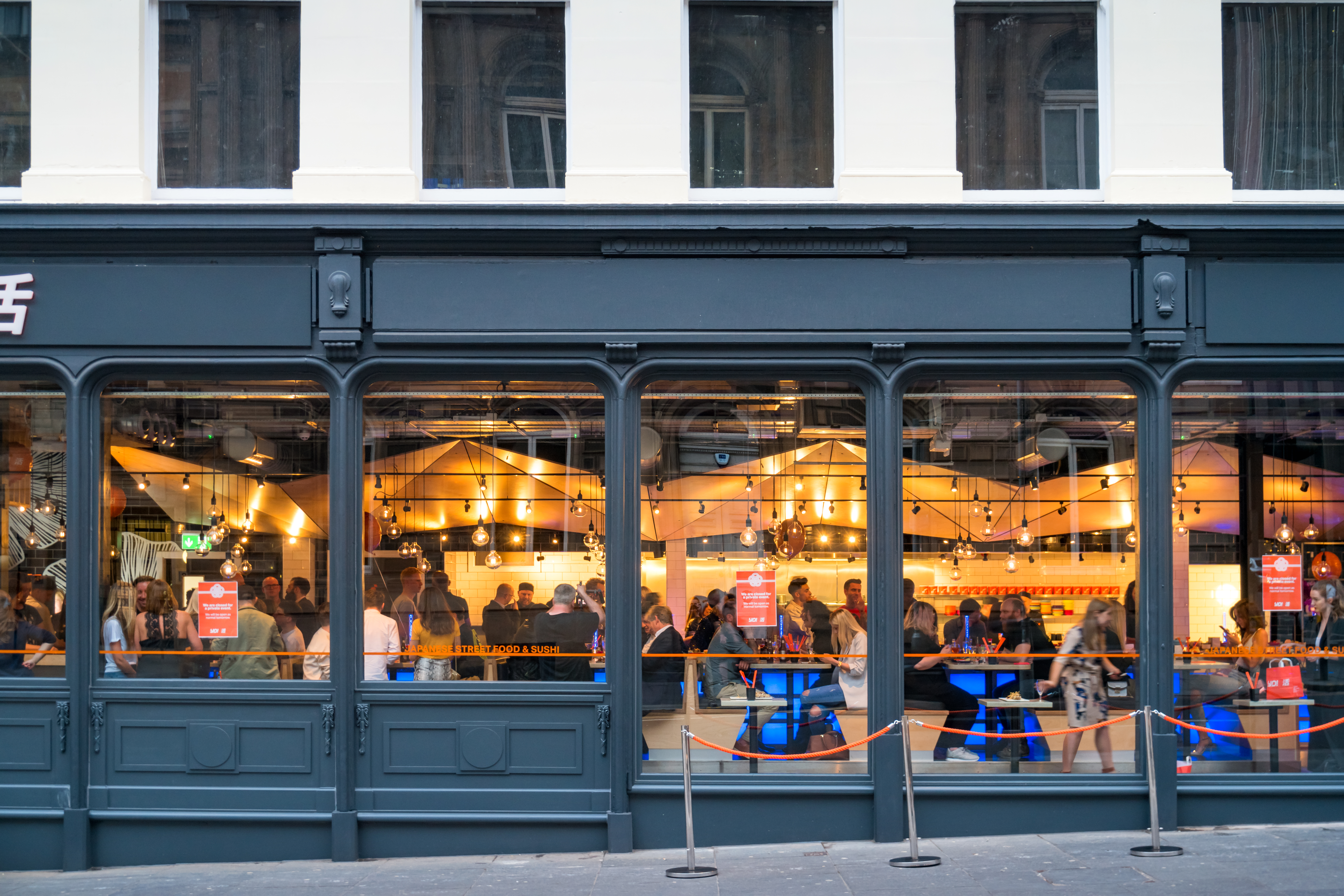
Finnieston is where Glasgow's food renaissance is most visible, and it has earned the attention it gets. The stretch of Argyle Street between the city centre and the Clyde has accumulated a density of independent restaurants that has made it the most talked-about eating strip in Scotland, and the quality across the strip justifies the reputation. The Gannet at 1155 Argyle Street remains among the most celebrated, serving carefully sourced Scottish produce in a setting that manages to be both refined and genuinely unpretentious. Ox and Finch at 920 Sauchiehall Street has built a loyal following on thoughtfully composed small plates that reward sharing across a long table. UNALOME at 36 Kelvingrove Street holds a Michelin star and a tasting menu built around Scottish produce and contemporary technique that makes it one of the most serious dining destinations in the city.
The Merchant City, where Fraser Suites Glasgow is located, has its own strong concentration of restaurants and bars across its Georgian and Victorian streets. Cafe Gandolfi on Albion Street has been a neighbourhood institution since 1979, serving Scottish produce in a setting furnished with heavy oak pieces that give it a warmth the newer openings around it tend to lack. The West End, centred on Byres Road, operates at a slightly different pace: independent, local, and with the kind of restaurants where people return weekly rather than visiting as a destination. Ubiquitous Chip on Ashton Lane, open since 1971, remains one of Glasgow's most storied restaurants, with a courtyard, whisky bar, brasserie, and rooftop terrace that collectively resist easy categorisation and reward a longer evening.
Glasgow is one of the most active night-time cities in Scotland, and the food scene keeps pace with the rest of it. This is not a city where the kitchens close early and the options narrow to fast food. From the Merchant City's covered courtyard venues to Finnieston's bars running late into the evening, there is good food available in Glasgow at hours when most other cities have stopped trying.
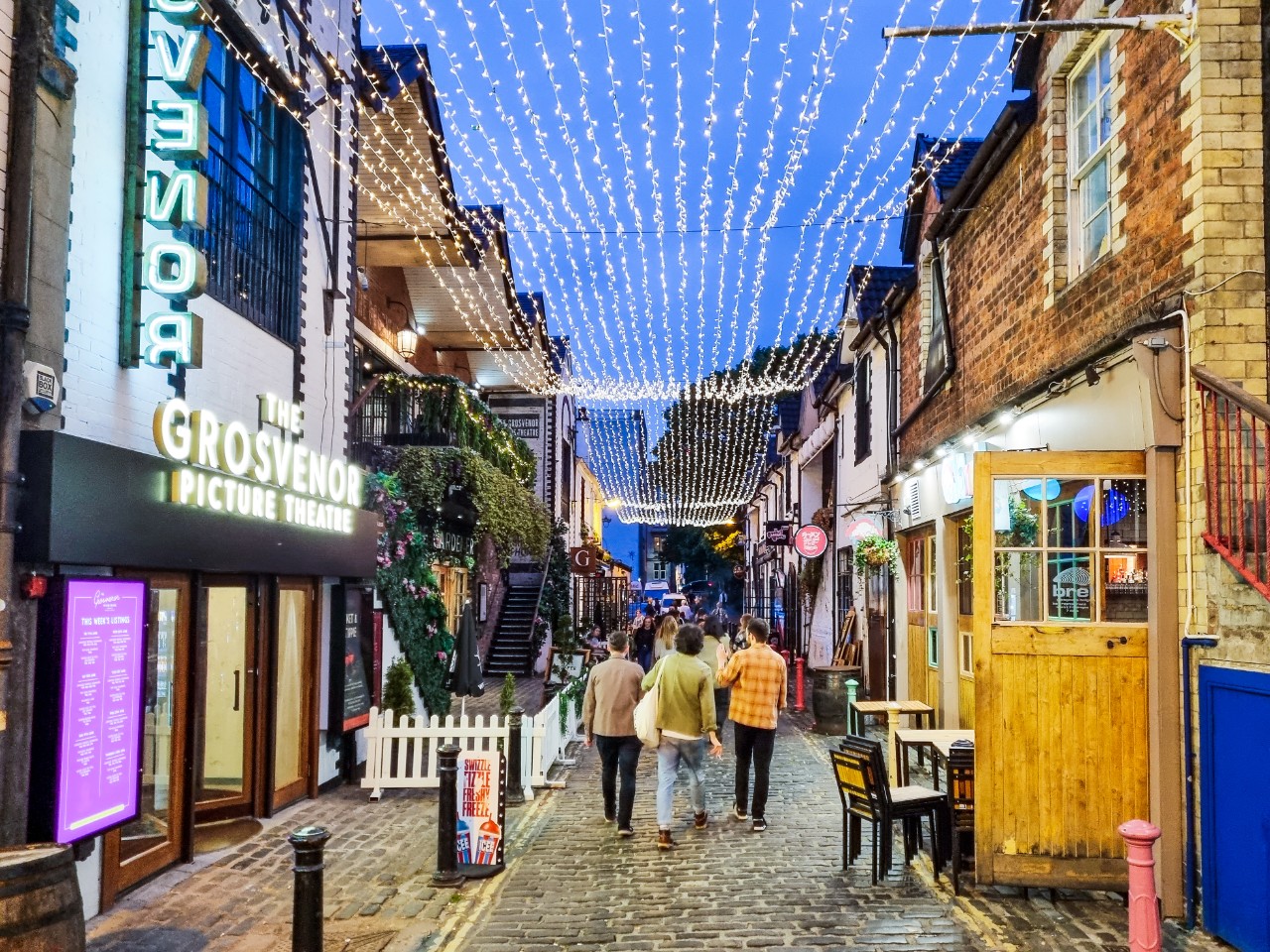
Merchant Square on Candleriggs, a few minutes' walk from Fraser Suites, is one of the most reliable late-evening options in the city centre: a covered courtyard of restaurants and cocktail bars including Table Twenty Eight and the Tap Yard that operates at a later hour than much of what surrounds it. The Merchant City's newer openings have pushed this further: Sebb's, opened in late 2024 from the Scoop restaurant group behind Ox and Finch and Ka Pao, is specifically designed for the kind of late evening that begins unhurriedly, with moody lighting, a dedicated cocktail kitchen, and small plates that reward taking your time over them.
Finnieston keeps going after dark in a way that reflects how embedded its food culture has become. The Finnieston Bar and Restaurant keeps its bar running well after the kitchen closes, and Lebowskis is a reliable later option for generous burgers alongside the restaurant's well-known white Russian cocktails. For the most accessible late-night food in the city, Glasgow's fish and chip shops are hard to argue with: a proper Scottish fish supper, made with fresh haddock in good batter, is one of the better late-night meals available anywhere in Britain. The chip shop tradition of the deep-fried Mars bar, a local curiosity that is exactly what it sounds like, is worth experiencing at least once.
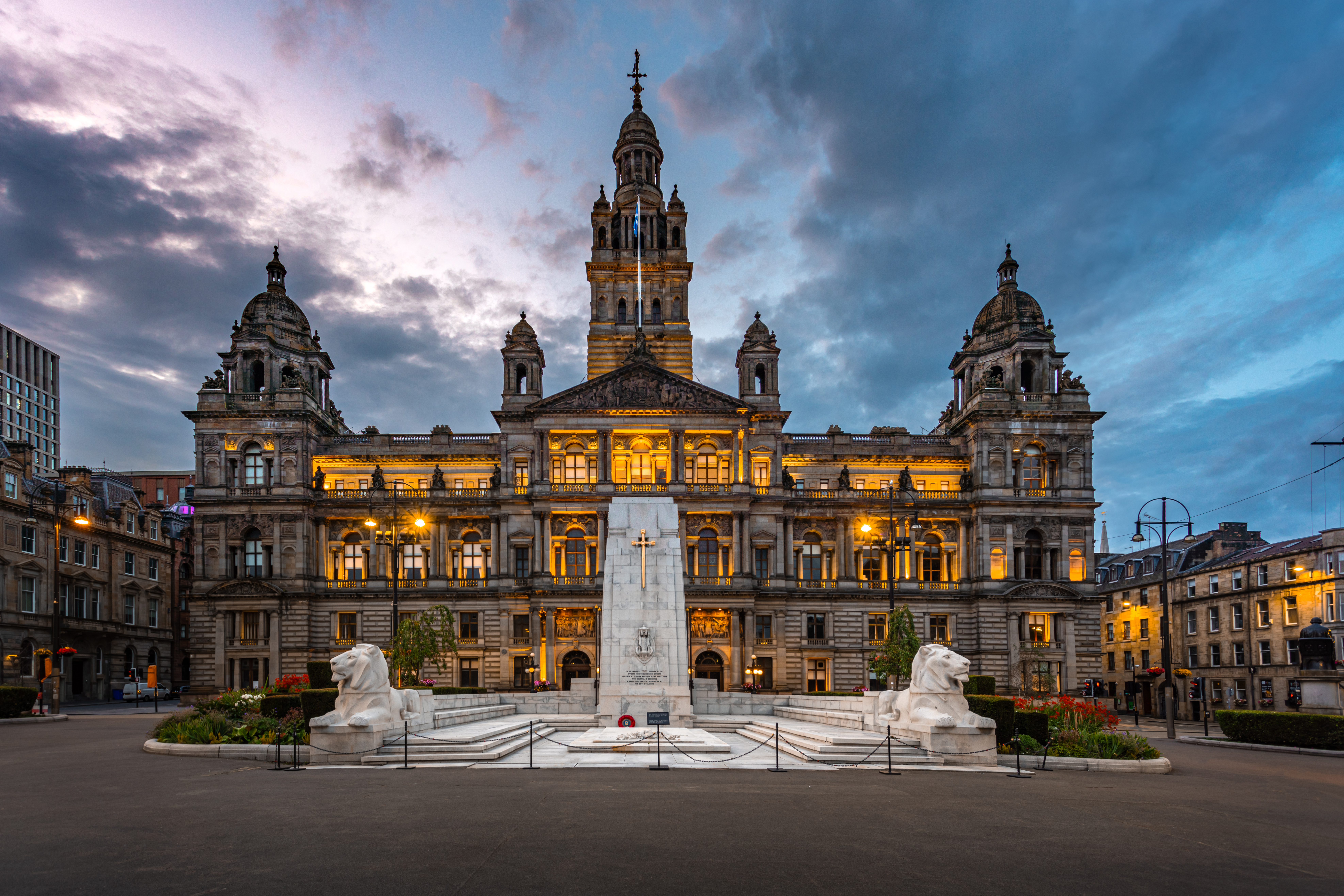
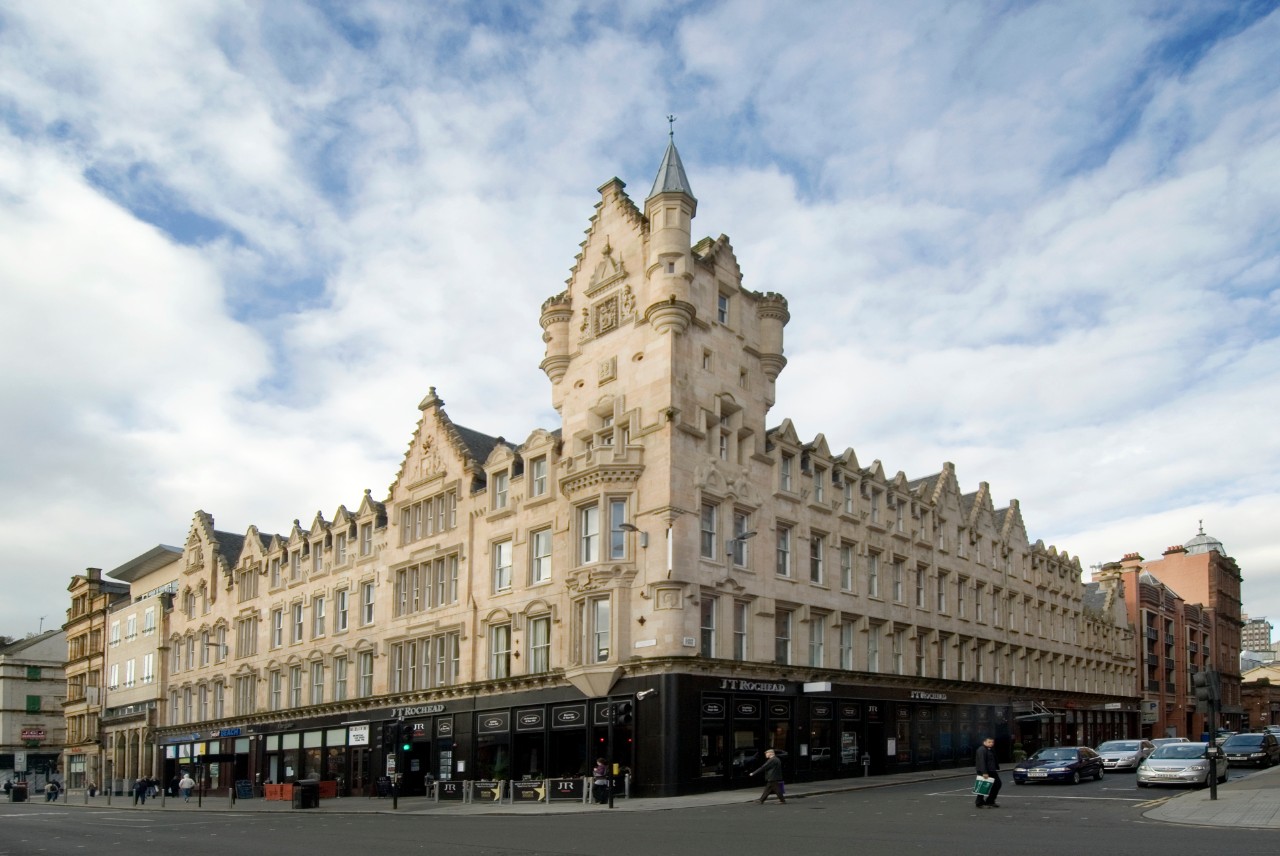
Fraser Suites Glasgow occupies a restored Victorian building on Albion Street in the Merchant City, placing guests within walking distance of the Barras, Merchant Square, and the principal restaurant districts of the city. The Gallery of Modern Art, Glasgow Cathedral, and George Square are all on the doorstep, and Finnieston is accessible by Subway and train, or by a comfortable walk along Argyle Street.
Accommodation ranges from studio suites to two-bedroom serviced apartments, all fully furnished with equipped kitchenettes, separate living areas, and laundry facilities. The on-site gym, 24-hour receptionist, continental breakfast, and pet-friendly amenities are available to all guests. For those planning a longer visit to work through Glasgow's food culture across multiple neighbourhoods, the property's extended stay options are designed around the rhythms of living in the Merchant City rather than passing through it. View current offers to plan your stay.
Glasgow has a strong claim to being one of the best cities in Britain for food. The traditional Scottish side covers haggis with neeps and tatties, Cullen skink, cranachan, and some of the finest seafood in the country. The contemporary side includes two Michelin-starred restaurants, a thriving market culture at the Barras and the Rail Yard, and a late-night economy that keeps the city eating well after dark. The guide to the 25 best things to do in Glasgow covers the city's wider offer.
The Barras in the East End is the most historic and characterful, with a weekend energy that is particular to it and difficult to replicate. The Rail Yard at Kelvinbridge runs every Saturday from 10am to 3pm with local farmers and producers, and is the most consistent weekly option for fresh Scottish produce. Glasgow's Farmers' Markets alternate between Partick and Shawlands on Saturdays for those wanting a more neighbourhood feel. The Dockyard Social near Finnieston is the best option for global street food in a lively warehouse setting.
The Gannet at 1155 Argyle Street is the most celebrated for contemporary Scottish cooking and consistently earns its reputation. UNALOME at 36 Kelvingrove Street is the Michelin-starred option for those wanting the most serious dining experience on the strip. Ox and Finch at 920 Sauchiehall Street is the most reliably enjoyable for a long, relaxed evening of small plates. Crabshakk at 1114 Argyle Street is the destination for Scottish seafood done properly. The Finnieston Bar and Restaurant is the most versatile, running a strong kitchen and a good bar that stays open late.
Merchant Square in the Merchant City is the most reliable late-evening option in the city centre, with Table Twenty Eight and the Tap Yard both operating late. Sebb's, also in the Merchant City, is specifically designed for late evenings and worth seeking out. The Finnieston strip, including the Finnieston Bar and Restaurant and Lebowskis, runs late most evenings and offers good food alongside the drinking. Glasgow's chip shops across the city centre are the most accessible option when nothing else is still serving.
Start with haggis, neeps, and tatties if you have not tried it before: the combination is considerably better than the description prepares you for. Follow it with Cullen skink on a cold day, which is one of those dishes that makes the case for Scottish cooking more effectively than anything else. Fresh Scottish seafood, whether langoustines, scallops, oysters, or a simple fish supper, is among the best the country produces and worth seeking out in Finnieston specifically. Cranachan to finish, and a dram of whisky alongside it, rounds out a properly Scottish meal.
Glasgow handles plant-based eating considerably better than its reputation for hearty food might suggest. Vegetarian haggis is widely available across Scottish restaurants and genuinely good. The West End and Finnieston both have strong plant-based provision across their independent cafes and restaurants. The guide to vegan-friendly restaurants in Glasgow covers the best options in depth.