
08 February 2026
Canary Wharf is widely recognised as one of London’s leading financial districts, yet it offers far more than office towers and corporate headquarters. Positioned along the River Thames in east London, the area combines waterfront walks, public art, green space, cultural venues and a growing restaurant scene.If you are searching for things to do in Canary Wharf, the district provides a mix of free activities, outdoor experiences, nightlife and family-friendly options within a compact and well-connected area. Strong transport links via the Jubilee Line, Docklands Light Railway and Elizabeth Line make it easy to explore both Canary Wharf and surrounding neighbourhoods.
Whether you are visiting for a short stay, travelling for business or spending several days in the area, this guide brings together practical and worthwhile activities across different interests and times of day.
There are several free things to do in Canary Wharf that make it easy to explore the district without booking tickets or planning around entry times.
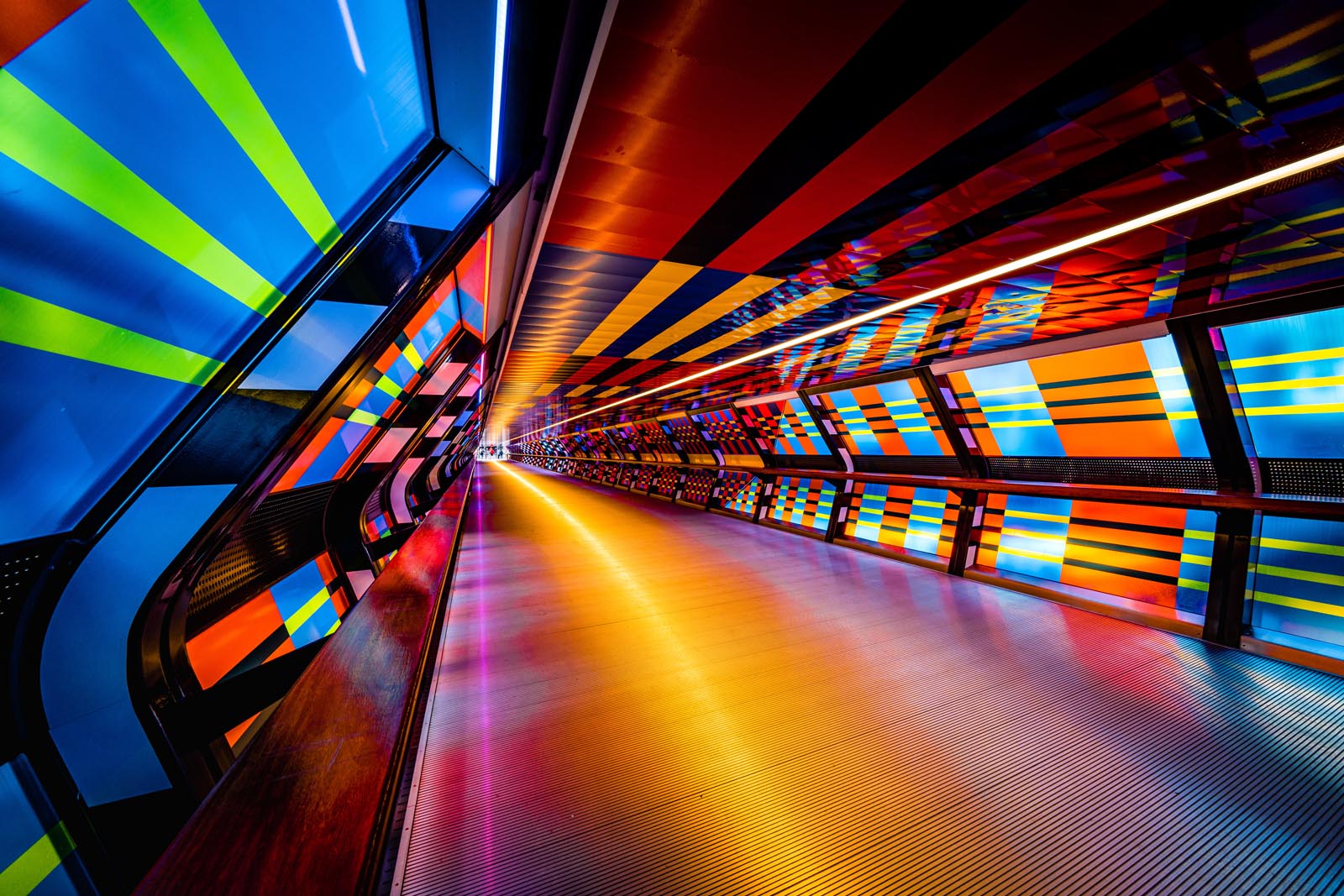
The Canary Wharf Art Trail features more than 100 permanent and temporary works displayed across plazas, parks and building entrances. Sculptures, installations and architectural pieces are positioned throughout the estate, allowing you to discover art while simply walking between locations.Downloading the official art map provides structure, but you can also explore informally and encounter works unexpectedly. For visitors interested in design, photography or architecture, this is one of the most accessible and varied free activities in Canary Wharf.
Jubilee Park is a useful reset point in the middle of the district, especially if you are moving between activities, meetings or transport links. Built above Canary Wharf station, it has structured planting, water features and seating that stays relatively calm compared to the surrounding shopping centres and office plazas.
For visitors looking for free things to do in Canary Wharf, it works best as a walking stop rather than a destination in isolation. The park is compact, but it is well placed if you are heading between Canada Square, Cabot Square and the retail areas. It is also a practical option if you want outdoor space without committing to a longer walk along the river. Early afternoons tend to be busiest on weekdays, while weekends are quieter and easier if you prefer a slower pace.
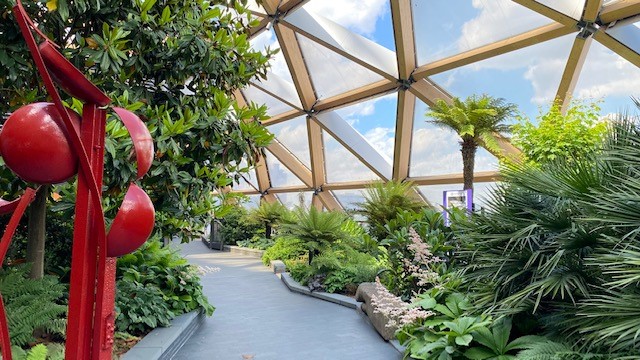
The Crossrail Place Roof Garden is one of the most convenient indoor-outdoor spaces in Canary Wharf. It sits above the Elizabeth Line station and is fully covered, which makes it a reliable option when weather is unpredictable.
The planting is arranged around global trade routes, and the layout creates a natural loop route with seating areas throughout. It works well if you want a quieter environment that still feels connected to the district, particularly during weekday lunch hours when outdoor benches elsewhere fill quickly. For anyone searching for free things to do in Canary Wharf that do not depend on sunshine, this is one of the most consistent options. It is also an easy add-on before evening plans, as it stays open into early evening at certain times of year.
Canary Wharf is not an obvious place for wildlife, which is why it surprises people. Cleaner dock water has made the area more hospitable for birds and fish, and seals have been spotted in and around the docks on occasion.
If you want a simple structure, use the Canary Wharf Biodiversity Map to guide a short walk around the water. You do not need specialist knowledge or equipment, but binoculars can be useful if you are aiming to spot birds across the docks rather than at the edge. This is also one of the more flexible free things to do in Canary Wharf because it can be done in 15 minutes or stretched into a longer loop, depending on your schedule. Morning and late afternoon are typically the quietest times around the water.
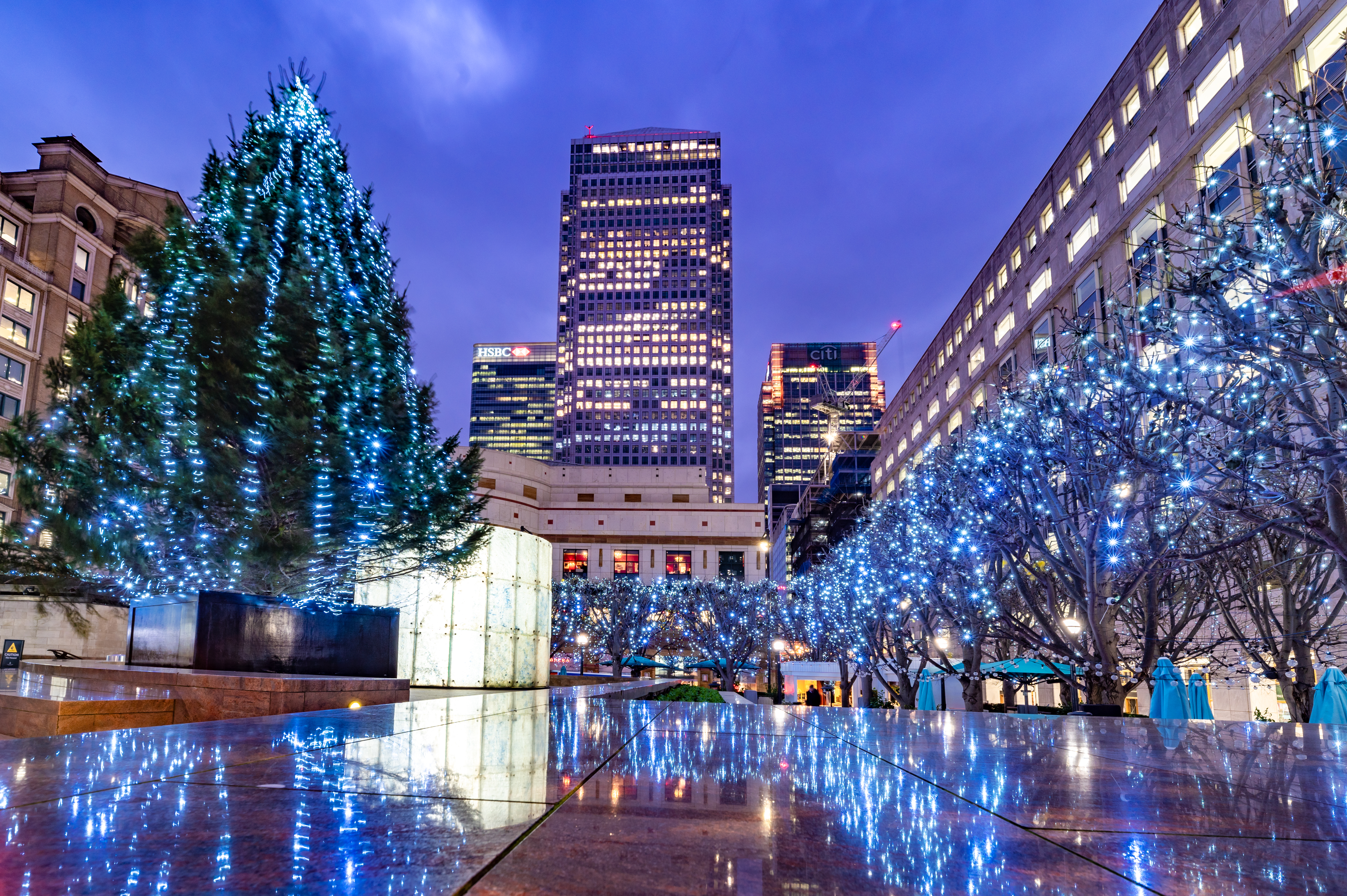
Canary Wharf runs large-scale seasonal programming, and the Winter Lights Festival is the best-known example. During the festival, installations are spread across the estate, which creates a walkable route that can be done casually or followed more methodically.
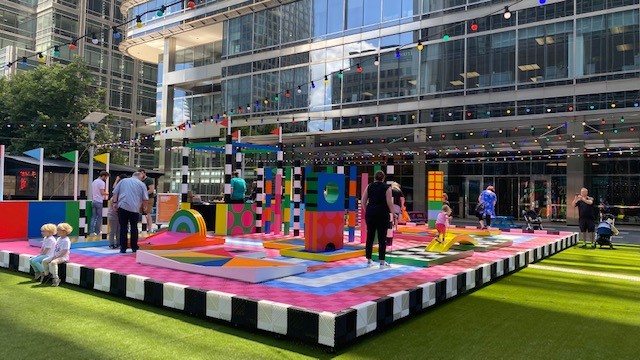
For visitors looking for free things to do in Canary Wharf at night, this is one of the strongest options because it gives you a reason to explore the area after office hours. If you prefer less crowding, aim for weekday evenings rather than peak weekend times. Outside winter, temporary art installations and pop-ups appear throughout the year, often around Montgomery Square, Canada Square and Wood Wharf. These are worth checking before a visit because the programming changes regularly, and the experience depends on what is currently installed.
While Canary Wharf is known for its daytime business activity, the district shifts noticeably in the evening. Offices close, footfall reduces and the area becomes more focused on dining, cinema and structured social venues. For those searching for things to do in Canary Wharf at night, the options are varied but compact, meaning you can move between venues without long travel times.
Pergola Lates runs regular evening DJ sessions and themed music nights at Crossrail Place. The rooftop setting gives it an open feel while remaining sheltered, which makes it a reliable evening option throughout the year.
Because it sits within the main estate, it works well as part of a wider evening plan. You can combine it with dinner nearby or arrive later for music and drinks. Weekends are busier, so arriving earlier provides a more relaxed experience. For visitors looking for informal nightlife in Canary Wharf that avoids central London’s larger club scene, Pergola offers a contained and accessible alternative.
Everyman Cinema provides a quieter and more comfortable way to spend an evening compared to high-traffic cinemas in central London. Reclining seating, table service and a smaller screening environment make it suitable for couples or smaller groups.
For indoor things to do in Canary Wharf at night, this is one of the simplest options. Screenings include mainstream releases and independent films, and the venue is located within walking distance of most restaurants in the estate. Pre-booking is advisable for weekend evenings, particularly during major film releases.
Electric Shuffle combines competitive shuffleboard with food and drinks in a structured social setting. It is designed for groups, making it particularly popular for team evenings, birthday gatherings and post-work events.
If you are searching for things to do in Canary Wharf for adults after hours, this provides activity beyond standard bar venues. Sessions are timed, so booking in advance ensures availability, especially on Fridays and Saturdays. The layout encourages small group interaction rather than large crowds, which keeps the atmosphere controlled rather than chaotic.
Boisdale is the best-known example locally, but the wider point is the format. Canary Wharf’s live music options tend to be seated, booked and schedule-led rather than spontaneous. That makes them a strong choice if you want a proper evening plan that does not rely on bar-hopping.
Look for nights where music is the main event, then build dinner around the set time rather than squeezing it in after. You get the atmosphere without the intensity of central London nightlife, and you can finish the night without a long journey across the city. Reservations are worth it on weekends and on nights with named performers.
For visitors looking for newer entertainment options in the area, Canary Wharf Theatre is also within easy reach of Fraser Place Canary Wharf, around a 3–4 minute walk away. Its proximity makes it a practical addition to an evening in the district, whether you are planning a show as the main event or combining it with dinner or drinks nearby.
Although Canary Wharf has a reputation as a business district, it offers a range of activities suited specifically to adult visitors. If you are looking for things to do in Canary Wharf for adults beyond restaurants and bars, the area provides both active and experience-led options within a compact radius.
Capital Karts operates an indoor electric go-karting track beneath Cabot Square. The circuit is designed for competitive racing rather than casual driving, making it suitable for adult groups, corporate team events or small private bookings.
Because it is fully indoors, it remains weather-independent and operates year-round. Sessions should be booked in advance, particularly on weekends. For visitors searching for fun things to do in Canary Wharf that introduce structured activity rather than passive entertainment, this is one of the stronger options within the estate itself.
A short journey from Canary Wharf, the O2 Climb offers guided ascents across the roof of the arena. The experience includes safety briefing and supervised access to the viewing platform at the summit.
From the top, panoramic views extend across the Thames, Greenwich Peninsula and east London. Clear weather significantly improves visibility, so checking forecasts in advance is worthwhile. For adults looking for something more distinctive than standard sightseeing, this provides both activity and perspective without requiring specialist experience.
Clays offers an interactive clay shooting experience within a bar setting, combining sport simulation with food and drinks. Using digital projection and tracking technology, it recreates clay shooting in a controlled indoor environment, making it accessible without prior experience.
Sessions are booked in advance and work particularly well for small adult groups, corporate gatherings or structured evening activities. Because the experience is timed, it provides a clear start and end point, which makes it easy to combine with nearby dining venues.
For visitors looking for things to do in Canary Wharf for adults that go beyond traditional bars or restaurants, Clays introduces competitive activity without requiring travel outside the estate.
During warmer months, Love Open Water runs supervised swimming sessions in Middle Dock. Water quality is monitored and lifeguards are present during sessions.
Nearby WakeUp Docklands offers paddleboarding and cable wakeboarding in a controlled environment at Royal Victoria Dock. These activities require booking and operate seasonally.
For adults looking for outdoor activities in Canary Wharf that extend beyond walking routes, these options introduce movement and variety while remaining close to the district.


Canary Wharf’s waterfront setting and open public spaces make it particularly suitable for couples looking for quieter experiences away from central London congestion. The area allows you to combine walking, dining and light activity without needing to travel far between venues.
The Thames Path runs directly alongside Canary Wharf and provides uninterrupted riverside views towards Greenwich and the City. Early evening is often the most comfortable time to walk, when office traffic has reduced but the area remains well lit.
Benches along the water and small dockside bridges create natural stopping points. For couples searching for simple things to do in Canary Wharf that do not require booking or tickets, this is one of the most accessible options.
A short journey away, Trinity Buoy Wharf offers a quieter and more unconventional setting. The former industrial site now houses artist studios, a lighthouse and small creative businesses.
It is less polished than central Canary Wharf, which gives it a more relaxed character. Visiting during daylight hours allows you to explore the area fully, while checking event listings in advance may reveal temporary exhibitions or small performances.
Several restaurants in Canary Wharf overlook the water, creating a more contained and calmer environment than busier parts of London. Hawksmoor Wood Wharf and Big Easy both offer waterside seating and evening service.
Booking ahead is advisable on Fridays and Saturdays. For couples looking for things to do in Canary Wharf at night that combine dining with atmosphere rather than loud nightlife, dockside venues provide a balanced option.
Travelling by river offers a different perspective on London’s skyline. Uber Boat services connect Canary Wharf with Greenwich, London Bridge and Westminster.
Evening journeys can be particularly effective, as city lights reflect across the Thames. For couples wanting to extend their evening beyond the immediate estate without navigating Underground changes, the river route offers a straightforward alternative.
Although Canary Wharf is primarily known as a business district, there are several structured and outdoor activities suitable for families. If you are searching for things to do in Canary Wharf with kids, the area offers a combination of educational venues, outdoor space and light activity within walking distance of each other.

Mudchute Farm, located on the Isle of Dogs, is one of London’s largest urban farms and is free to enter. The site includes horses, sheep, goats and chickens, as well as open green space that contrasts with the surrounding skyline.
Because it operates as a working farm, conditions can vary depending on weather, so appropriate footwear is advisable. It is particularly suitable for younger children who benefit from outdoor space and animal interaction. Visiting earlier in the day often provides a quieter experience.
The Museum of London Docklands offers interactive exhibitions focused on maritime trade and London’s dock history. The Mudlarks gallery is specifically designed for younger children and includes hands-on displays.
Entry to the museum is free, although certain exhibitions may require tickets. For families looking for indoor things to do in Canary Wharf with kids, this is one of the most reliable year-round options.
Self-guided mystery trails allow families to explore Canary Wharf while solving clues across the estate. The structured route introduces historical context in an accessible format without requiring a guide.
Because the trail is self-paced, it can be adjusted depending on attention span and weather conditions. Booking details should be checked in advance.
Seasonal mini golf installations and nearby bowling venues provide straightforward indoor entertainment. These activities work particularly well if you are combining shopping, dining and leisure within the same visit.
Pre-booking is recommended during school holidays and weekends, as availability can be limited during peak periods.
Dining in Canary Wharf has expanded significantly in recent years, with a mix of established restaurant groups, independent venues and casual options. Because the district is compact, most restaurants sit within walking distance of one another, making it easy to combine dinner with other evening activities.
Boisdale offers dockside dining with a focus on steak, seafood and live jazz. The interior is traditional in style, and the venue regularly hosts music evenings alongside its restaurant service.
It is particularly suited to structured dinners or small group gatherings. Reservations are recommended on weekends and during scheduled live performances.
Big Easy provides a more informal dining experience centred on seafood and barbecue dishes. The terrace seating overlooking Crossrail Place works well during warmer months, especially for relaxed group meals. Because of its central location, it pairs easily with nearby evening venues.
Hawksmoor Wood Wharf combines classic interiors with a terrace overlooking the water. It is known primarily for steak and seafood, and the waterside setting provides a calmer environment compared to busier central London restaurants. Booking in advance is advisable, particularly on Friday and Saturday evenings.

Roka offers contemporary Japanese dining with an open robata grill at the centre of the restaurant. The layout is suited to both smaller tables and larger groups, and the dockside location adds to the evening atmosphere.
It works well for couples or adult groups looking for a structured dining experience within walking distance of the main estate.
For longer stays, guests also have the convenience of the nearby shopping centre, including Waitrose, which is a more practical option for everyday groceries and meal planning. Waitrose also includes a wine bar with nibbles, giving guests an easy option for a more relaxed food and drink stop close to the property. TianTian Oriental Supermarket remains a useful option for Asian groceries and prepared foods.
For visitors combining dining with practical convenience, this balance of restaurant and grocery options makes Canary Wharf well suited to multi-day stays.
One of the advantages of staying in Canary Wharf is how quickly you can reach surrounding neighbourhoods. With the Jubilee Line, Docklands Light Railway, Elizabeth Line and river services nearby, several of London’s most recognisable attractions sit within short travel times.
If you are searching for things to do near Canary Wharf, the following locations are easy additions to a half-day or full-day plan.
A short river journey or DLR connection brings you to Greenwich, home to the Cutty Sark and the Royal Observatory. The Cutty Sark, a restored 19th-century clipper ship, provides insight into Britain’s maritime trade history.
Greenwich Park offers elevated views across the Thames and Canary Wharf skyline. For visitors looking to combine history, architecture and open space, Greenwich is one of the most accessible areas near Canary Wharf.
Located in Greenwich, the Old Royal Naval College is known for its 18th-century architecture and riverside setting. Designed by Sir Christopher Wren, the buildings form one of London’s most recognisable historic landscapes.
The Painted Hall, often described as Britain’s equivalent of the Sistine Chapel, is open to visitors and provides a structured cultural visit within easy reach of Canary Wharf.
The Thames Barrier is located slightly further east but remains accessible via public transport or cycling routes. Built as part of London’s flood defence system, it represents a significant engineering project protecting the city from tidal surges.
Riverside paths near the barrier offer open walking space with views back towards central London. For those interested in infrastructure or urban development, it provides a different perspective from the financial focus of Canary Wharf.
The Tower of London can be reached by Jubilee Line or river services. As one of London’s most historic sites, it houses the Crown Jewels and has served as a royal residence and fortress.
For visitors staying in Canary Wharf who want direct access to central landmarks without remaining in the busiest tourist zones, the transport links make this a practical extension to your itinerary.

Fraser Place Canary Wharf provides serviced apartments in Canary Wharf within walking distance of Jubilee Park, the Museum of London Docklands and the Thames Path. Canary Wharf Underground station on the Jubilee Line, the Docklands Light Railway and the Elizabeth Line offer direct connections to London Bridge, the West End and Heathrow.
The property offers studio, one-bedroom and two-bedroom apartments designed for both short stays and longer assignments. Unlike a traditional hotel room, each apartment includes defined living space, kitchen facilities and workspace. This allows greater flexibility if you are travelling for business, relocating temporarily or planning a multi-day visit to explore east London.
For guests staying several nights or more, having kitchen access reduces the need to dine out for every meal. Dedicated workspace and reliable connectivity support remote working, while 24-hour reception and on-site facilities maintain hotel-level convenience.
Staying in Canary Wharf also provides a quieter base compared to central London, while keeping major attractions within easy reach. For visitors combining meetings, sightseeing and evening activities, apartment-style accommodation offers space and independence without sacrificing location.

Canary Wharf is best known as one of London’s leading financial districts, built on the former Docklands. Today it is defined by modern towers, wide pedestrian spaces and dockside walkways, with a strong mix of offices, restaurants, retail and waterside public areas. Compared to historic parts of London, the experience is more contemporary and planned: less heritage sightseeing, more skyline views, open space and a quieter, more structured feel outside weekday rush hours.
Canary Wharf differs from central districts such as Soho or Covent Garden in both layout and atmosphere. It is purpose-built, with wide pedestrian spaces, dockside walkways and modern architecture rather than narrow historic streets. This creates a more structured and less congested environment, particularly in the evenings and at weekends. Visitors often choose it for its open space and waterfront setting rather than traditional sightseeing density.
Canary Wharf is particularly well suited to longer visits due to its layout and amenities. The district includes supermarkets, gyms, healthcare services and green space alongside dining and leisure venues. Its quieter evening atmosphere and transport connections also make it practical for visitors combining work and leisure over multiple days.
Weekday lunchtimes are busiest due to office footfall. Evenings are calmer once offices close, and weekends are generally quieter, making it easier to explore the art, docks and parks at a slower pace. Winter Lights and other seasonal events can be busy at peak times, so weekday evenings tend to feel more manageable.
Despite its commercial reputation, the district incorporates structured parks and waterside routes. Jubilee Park, Crossrail Place Roof Garden and the Thames Path provide managed outdoor space within walking distance of offices and apartments. This integration of green space into a business district is one of its distinguishing characteristics.