16 August 2023
Canary Wharf is one of London’s most striking districts to photograph. Defined by glass towers, dockside walkways, public art and pockets of greenery, it offers a mix of modern architecture and waterfront views that change dramatically with the light.
Whether you are capturing skyline shots at golden hour, hunting for Instagram-worthy details or simply documenting a walk through the area, Canary Wharf has no shortage of memorable photo locations. This guide brings together 10 of the best picture spots in and around Canary Wharf, each offering a different perspective on the district.
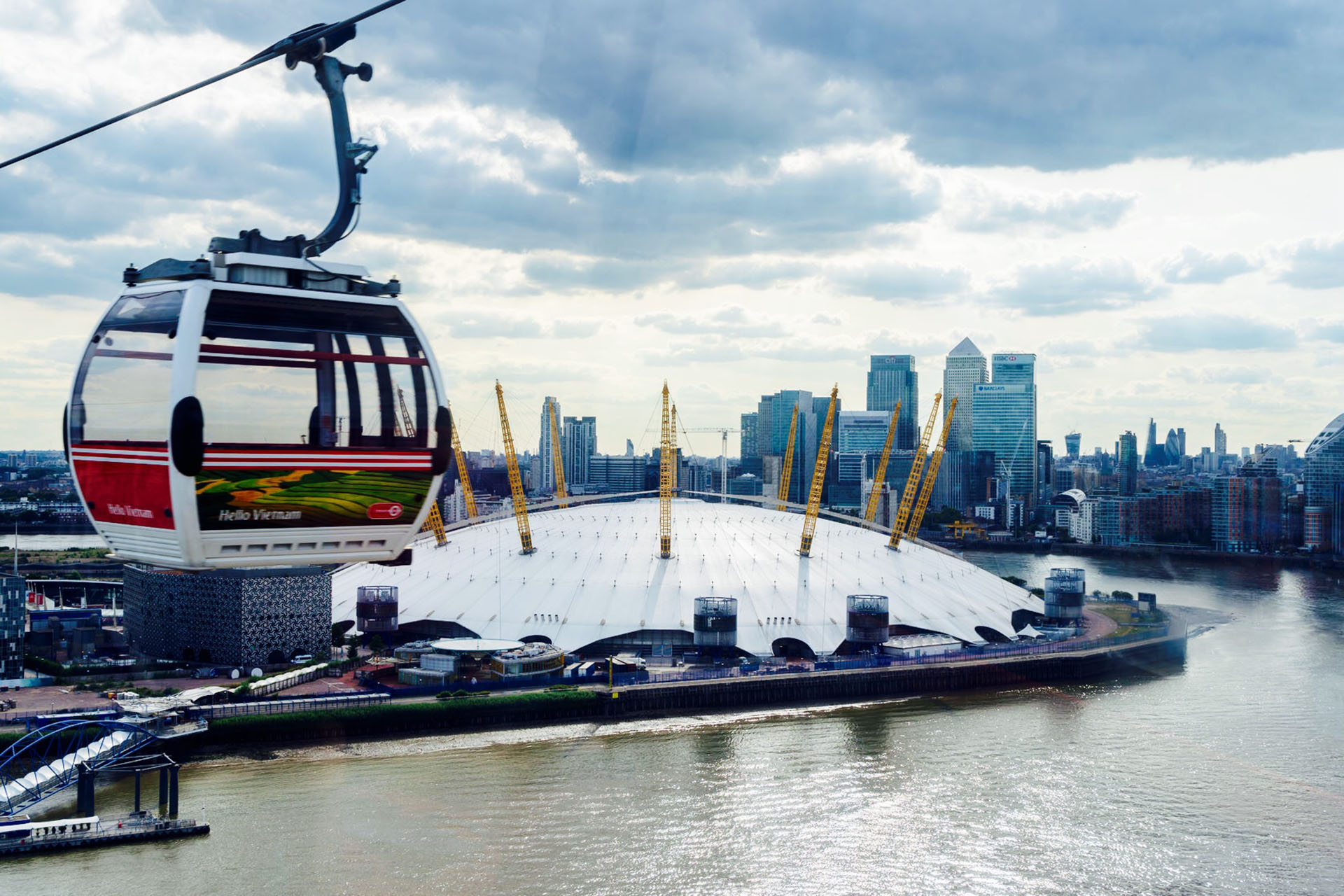
One of the most striking ways to photograph Canary Wharf is from across the Thames on Greenwich Peninsula. From this vantage point, the cluster of towers feels cohesive and monumental, rising cleanly above the river and creating a strong sense of scale.
This spot works particularly well for wide, cinematic shots that capture the full skyline rather than individual buildings. The river foreground adds depth and movement, especially when boats pass through the frame. Sunset and early evening are ideal, when the glass façades catch warm light and the buildings begin to glow after dark.
For photographers looking to show Canary Wharf as a complete cityscape rather than a collection of streets, this viewpoint offers a powerful, uncluttered composition.

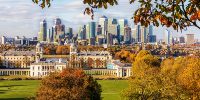
Greenwich Park provides elevated viewpoints that frame Canary Wharf against open green space, creating a contrast between historic parkland and modern architecture. From higher points within the park, the towers appear in the distance, layered behind rolling grass and tree-lined paths.
These views are especially effective in clear weather, when the skyline stands out sharply against the sky. Autumn and spring bring added texture through seasonal colour, while early mornings often offer quieter conditions for more considered shots.
This location suits photographers looking to combine landscape photography with urban elements, producing images that feel balanced rather than dominated by buildings alone.
The Royal Observatory offers a unique photographic opportunity by blending history, symbolism and city views. While the Prime Meridian itself is the main draw, the surrounding courtyard and paths also provide sightlines across London towards Canary Wharf.
This is a strong spot for detail shots that combine foreground interest with distant skyline views. The contrast between historic stonework and modern glass towers can be particularly effective, especially when framed carefully. Because this area attracts visitors throughout the day, timing matters. Early mornings or quieter weekday periods offer more freedom to experiment with angles without distractions in the frame.
Queen Elizabeth Olympic Park offers a more open, contemporary environment for photography, with wide waterways, modern bridges and landscaped paths. The park’s design creates clean lines and reflections that work well for minimalist compositions.
Water plays a key role here. Calm conditions allow for mirror-like reflections of surrounding structures, while activity on the water adds energy and movement to shots. The space also lends itself to lifestyle photography, with people walking, cycling or relaxing along the paths.
This location is ideal for photographers looking to step away from dense urban scenes and capture a lighter, more spacious visual style.

Mudchute Park and Farm is one of the most unexpected photo spots near Canary Wharf. Spread across 32 acres, it offers open fields, animals and countryside views with the financial district visible in the distance.
The contrast is what makes this location so compelling. Sheep, llamas and open farmland sit just minutes from glass skyscrapers, creating images that feel both playful and surreal. Seasonal changes also bring variety, from spring greenery to autumnal tones.
Mudchute suits photographers looking for storytelling shots that highlight the diversity of London’s landscapes within a single frame.

Royal Victoria Dock provides wide expanses of water framed by modern buildings, making it one of the most versatile photography locations in East London. The dock often hosts paddleboarding, wakeboarding and other water sports, introducing colour and movement into images.
Photographing from the dockside walkways allows for clean compositions that emphasise reflections, open skies and the scale of the surrounding development. Action shots work well here, particularly when capturing people on the water against a city backdrop.
Bright conditions enhance the clarity of the scene, while overcast days can produce softer, moodier images with subtle tones.
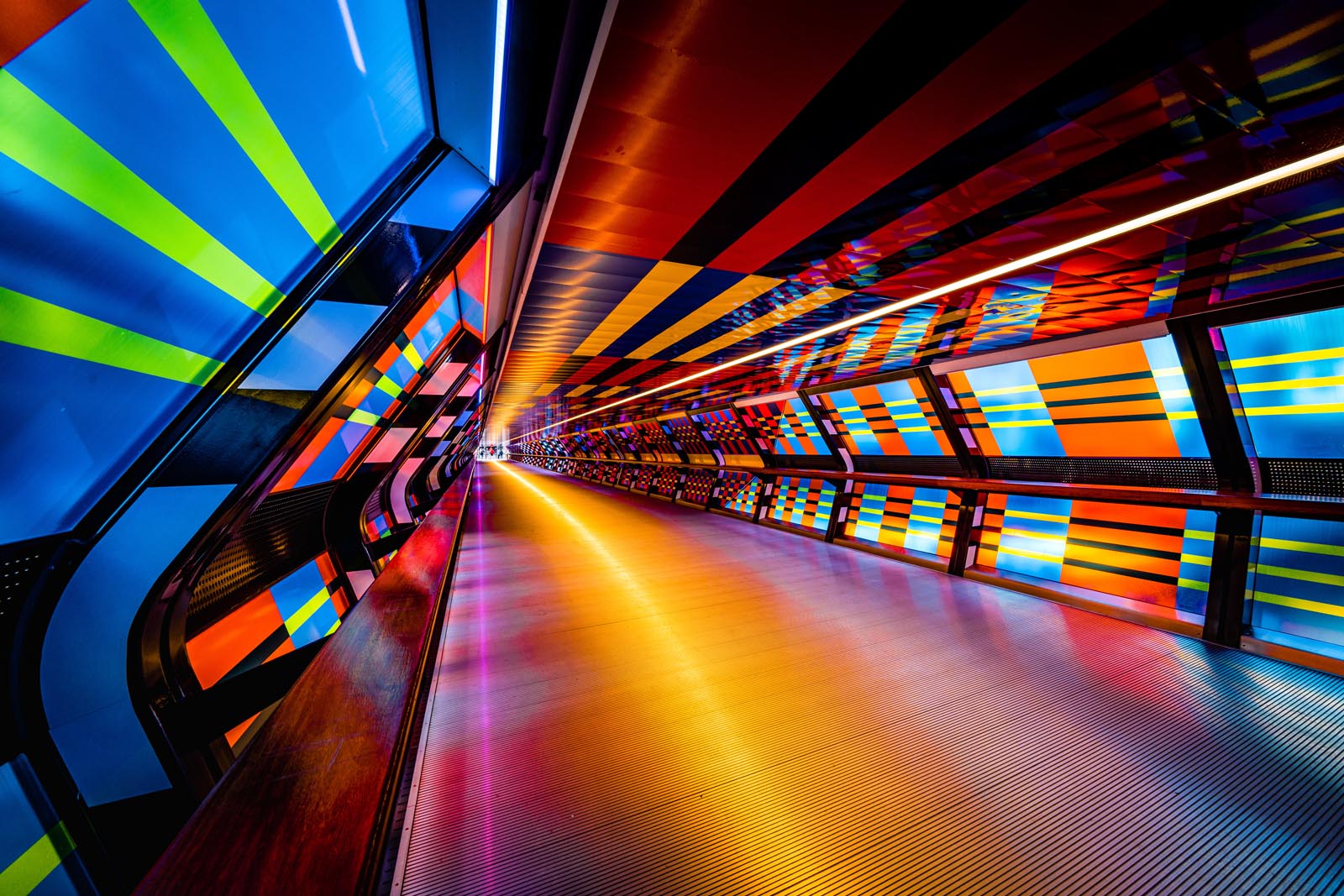
Canary Wharf is home to one of London’s largest collections of outdoor public art, with installations spread across plazas, docks and walkways. These works range from large-scale sculptures to integrated architectural features.
For photographers, the art provides strong focal points that can anchor a composition or add visual interest to wider scenes. Many pieces interact with their surroundings, reflecting light or framing views of nearby buildings.
Because the collection evolves over time, revisiting Canary Wharf regularly can reveal new photographic opportunities. Early mornings and evenings are ideal for capturing the art without crowds.

Crossrail Place Roof Garden is one of the most recognisable photo spots in Canary Wharf. Set above the shopping centre, it combines architectural structure with global planting in a carefully designed space.
The timber roof, geometric windows and long sightlines offer excellent opportunities for symmetrical shots and framed skyline views. Looking outward through the windows, photographers can capture the docks and surrounding towers from an elevated perspective.
Light plays a major role here. Golden hour softens the environment, while quieter mornings allow for clean compositions without distractions. Seasonal planting adds variety throughout the year, making it a reliable location for repeat visits.

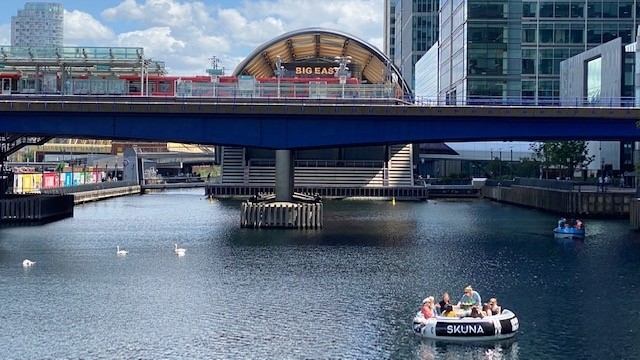
Walking the docks is one of the best ways to uncover photo opportunities in Canary Wharf. West India Quay, in particular, pairs historic warehouses with modern office towers, creating strong visual contrasts.
Reflections in the water, moored boats and changing light conditions make this area ideal for both wide shots and detailed compositions. Following the Thames Path reveals shifting perspectives as buildings open up or close in along the route.
This is a location that rewards patience, with subtle changes in light and movement offering new angles throughout the day.
Canada Square Park sits at the heart of Canary Wharf and offers one of the most recognisable photography settings in the district. Framed by some of the area’s tallest buildings, including One Canada Square, the park creates a powerful contrast between green space and high-rise architecture.
From a photography perspective, this location works on multiple levels. Wide shots capture the scale and symmetry of the surrounding towers, while lower angles allow you to use trees, water features and seating areas as natural foreground elements. The park is particularly striking in spring and summer, when greenery softens the sharp lines of the buildings, and during golden hour when light reflects off the glass façades.
Because Canada Square Park is central and easily accessible, it is also a great starting or finishing point for a photography walk through Canary Wharf.
After exploring Canary Wharf’s picture spots on foot, having a well-located base makes it easier to experience the area at different times of day. Early mornings and evenings often offer the best light for photography, and staying nearby allows you to return to key locations without relying on transport.
Fraser Place Canary Wharf is well positioned for this kind of exploration, with waterfront views and direct access to dockside walks that feature throughout this guide. Its riverside setting offers its own photo opportunities, while the surrounding neighbourhood places many of Canary Wharf’s most photogenic locations within easy walking distance.
For visitors planning to spend time photographing the area, staying locally provides the flexibility to follow the light, revisit favourite spots and experience Canary Wharf beyond peak hours.

Some of the best photo spots in Canary Wharf include Canada Square Park, Crossrail Place Roof Garden, West India Quay, the dockside walkways and the area’s public art installations. These locations offer a mix of skyline views, waterfront reflections and modern architecture.
Yes. Canary Wharf is one of London’s most Instagram-friendly areas thanks to its glass skyscrapers, clean lines, public art and waterside setting. The district offers a wide variety of backdrops within a relatively compact area, making it easy to capture different styles of photos in one visit.
Early mornings and evenings are often the best times to take photos in Canary Wharf. Morning light creates clean reflections on the water, while golden hour and dusk highlight the skyline as the buildings begin to light up. These times are also generally quieter than midday.
Yes. Most of Canary Wharf’s best picture spots, including parks, dockside walkways and public art areas, are free and open to the public. Some nearby attractions may have restricted access, but the majority of photography locations in the area can be enjoyed without charge.
Yes. Many of Canary Wharf’s top picture spots are within easy walking distance of each other. The area is well designed for pedestrians, with clear routes along the docks and through public spaces, making it ideal for a photography walk.