
25 May 2026
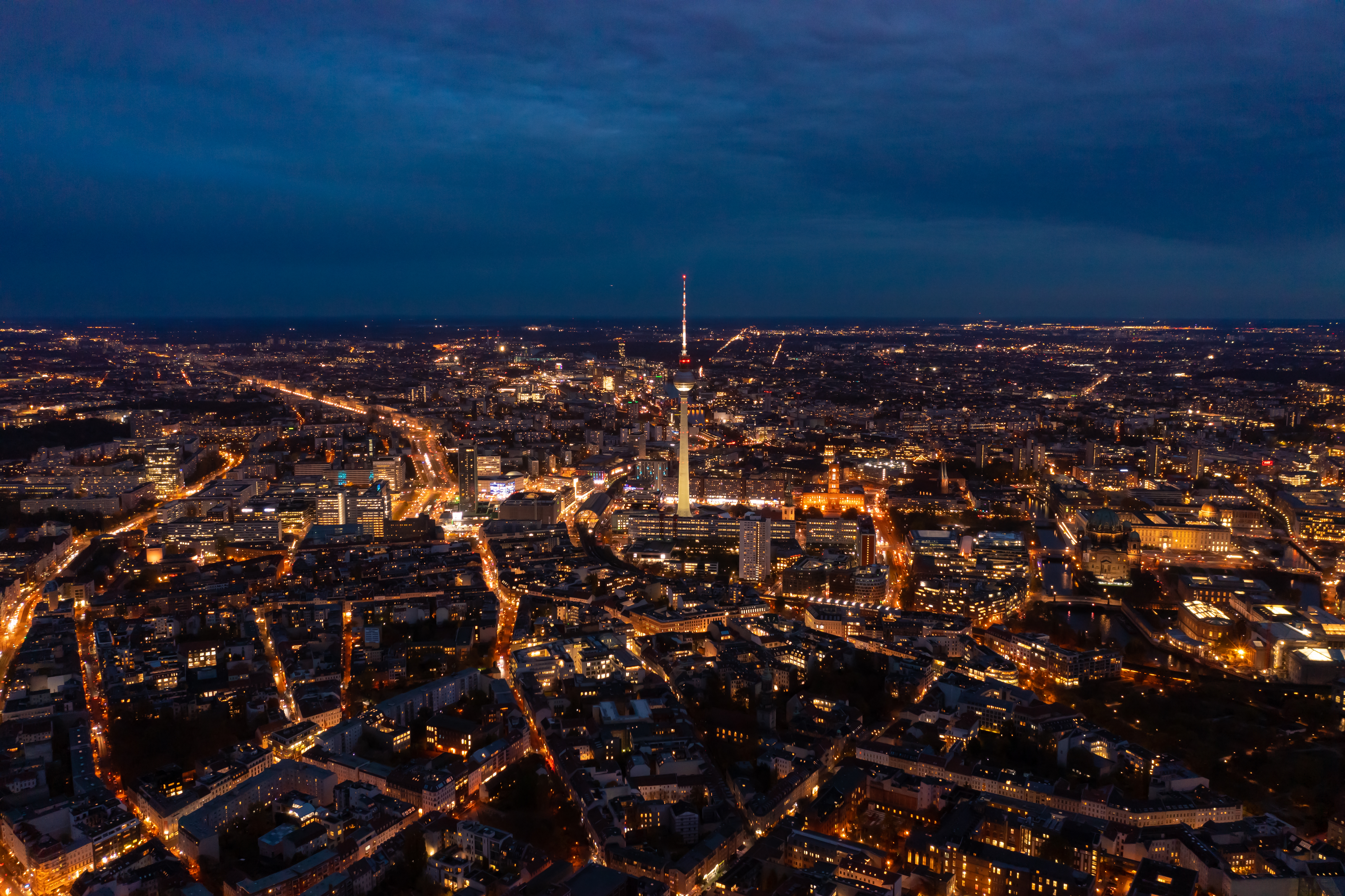
Berlin operates on a different schedule to almost every other city in Europe. The clubs do not open until midnight. They do not peak until four in the morning. Many run continuously from Friday night through to Monday, and there is no legal closing time to enforce any of this. What makes the city's after-dark reputation genuinely unusual is not the hours but the seriousness: Berlin's techno scene was added to UNESCO's Intangible Cultural Heritage list in 2024, the only city in the world to receive that distinction for its electronic music culture. After the fall of the Wall in 1989, the city's abandoned buildings became clubs, and what grew in them shaped the way the world dances.
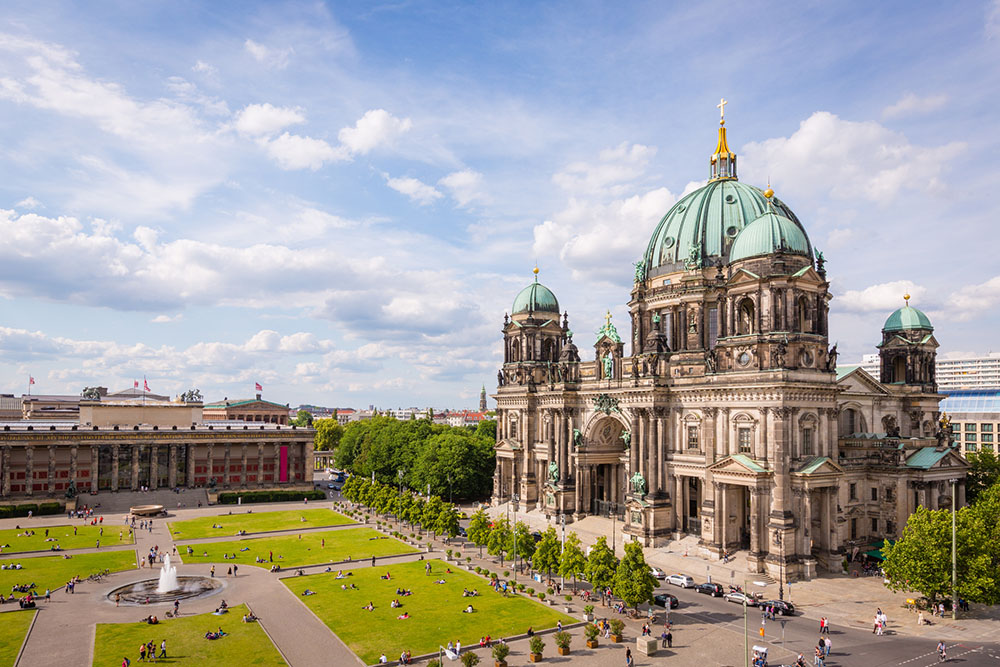
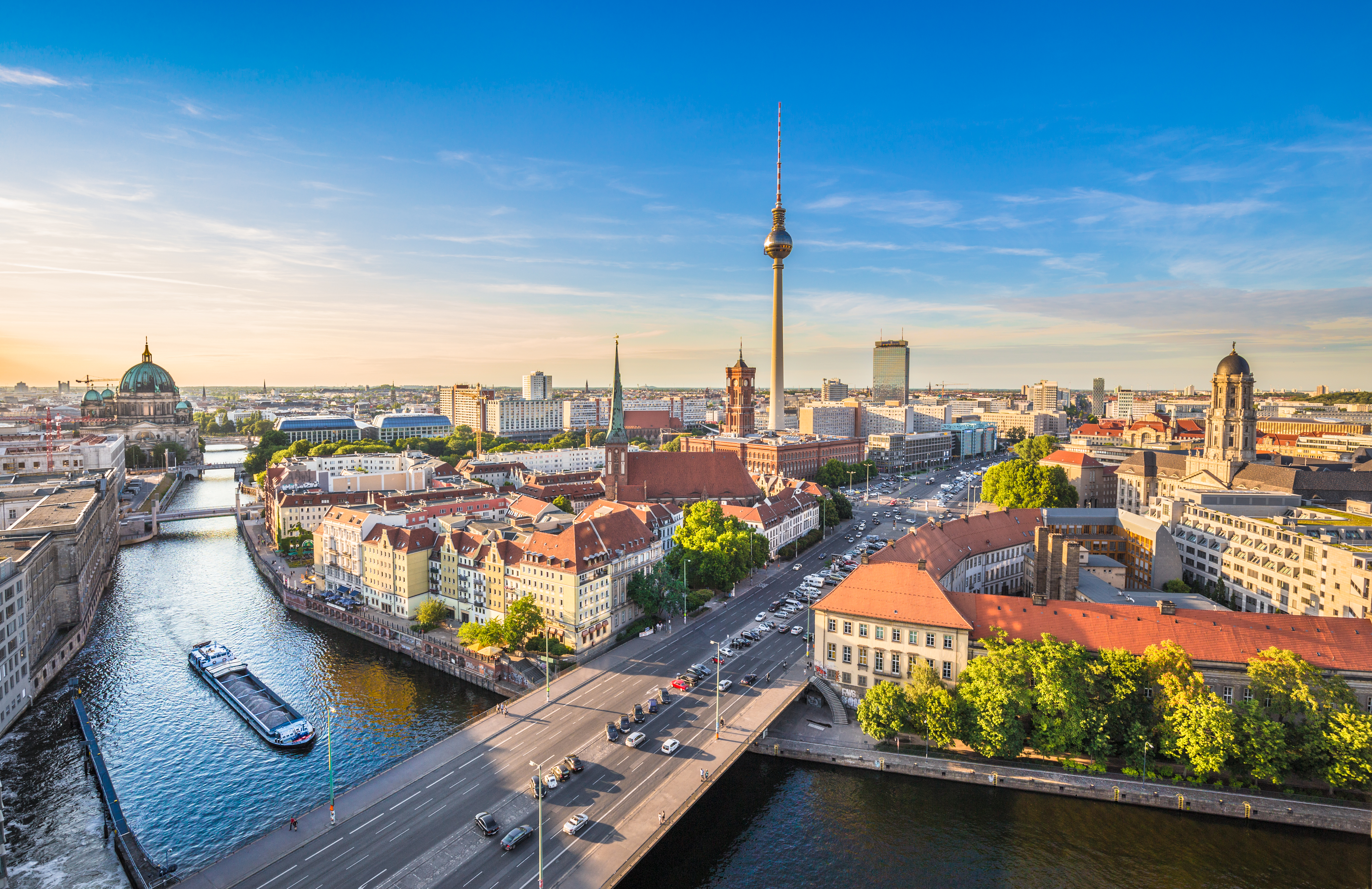
Capri by Fraser Berlin sits on Museum Island in the heart of Mitte, which puts Kreuzberg, Friedrichshain and the broader club scene within easy reach of wherever the night takes you. The studios and apartments make a natural base for a city that runs this late, and there are current offers worth checking before you book. This guide covers the essential Berlin nightlife by category, from the legendary clubs to the cocktail bars and after-work venues that give the city's evenings their shape before the real night begins.
Few cities have a club culture as deeply embedded in their identity as Berlin, and fewer still have one that has been formally recognised as cultural heritage. The clubs below are the ones that define what Berlin nightlife means internationally, each operating according to its own rules and rewarding visitors who approach them on their own terms. Understanding what makes each venue distinct is more useful than simply knowing its name.
Berghain sits on the border of Kreuzberg and Friedrichshain in a former power plant, and it remains the most discussed club in the world. Three floors cover different registers: the main floor runs relentless techno in a vast, dark room designed for complete immersion; Panorama Bar upstairs plays house with considerably more light; and the ground-floor Säule handles the more experimental end of the programme. The door policy is famously selective and has nothing to do with how you look in a conventional sense. Come in a small group of two or three, dress in black and understated rather than smart, speak quietly in the queue, and leave your phone camera alone inside. Photography is banned throughout. The banana ice cream from the bar, if you make it in, has its own devoted following.
Tresor opened in 1991 in a reunified Berlin, and its founding story is inseparable from the city's own. The youth of East and West came together on its floor for the first time, dancing to the techno that had just arrived from Detroit, and the music that played became the soundtrack to what reunification actually felt like in practice. Today the club occupies an abandoned power plant in Mitte and retains the raw, concrete-heavy aesthetic of that original energy. The basement vault, from which the club takes its name, remains its most atmospheric room: low ceilings, industrial lighting, and a sound system built to carry the weight of the music. Tresor is not as difficult to enter as Berghain, and it is arguably a better introduction to what Berlin's club culture is rooted in.
Sisyphos operates at the slower end of the Berlin club spectrum, not in terms of music but in terms of pace and intention. Set on the Rummelsburger Bucht riverfront in a former dog biscuit factory with a large outdoor area, it is a club for people who want a full day as much as a night. The parties run across a weekend without interruption, the atmosphere in the outdoor spaces is relaxed and communal, and the sound across its multiple rooms spans house, techno and electronic music with a consistency that makes it easy to move between them. It is the most approachable of the major Berlin clubs for first-time visitors, and the most likely to keep you longer than planned.
Berlin's bar scene is as varied as its club culture, and the character of an evening changes considerably depending on which neighbourhood anchors it. Mitte runs towards upscale cocktail bars and speakeasies. Kreuzberg offers everything from candlelit basement bars to riverside drinking. Neukölln has become the city's most experimental neighbourhood for independent bars and late-night venues that defy easy categorisation. Understanding the geography of Berlin's drinking culture is the most useful preparation for a night that moves well.
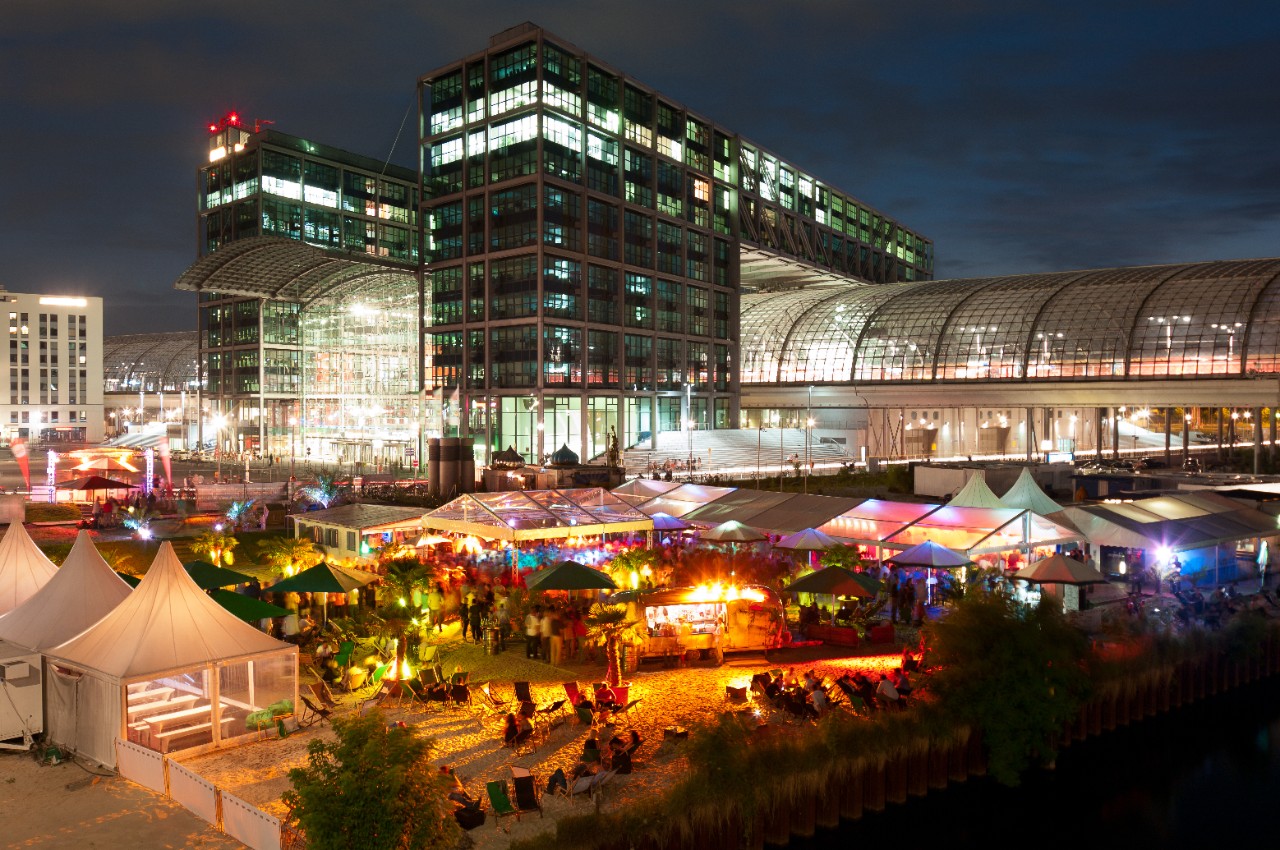
Buck & Breck on Brunnenstrasse is Berlin's most exclusive cocktail experience: a speakeasy that seats exactly 14 guests, appearing on the World's 50 Best Bars list, where the bartenders will mix to your mood if you give them a few clues about what you are after. There is no menu in the conventional sense. Booking ahead is strongly advised. Nearby, Bar Tausend operates as a hybrid between bar and club under the railway arches close to Friedrichstrasse station: low lighting, a serious cocktail list and a crowd that arrives late and stays. For those who want something with more of a neighbourhood feel, Mein Haus am See at Rosenthaler Platz is a 24-hour café-bar that shifts from laptop-filled afternoons into a late-night venue with a resident DJ as the evening builds, and never asks you to move on.
Kreuzberg is where Berlin nightlife feels most like itself. SO36 on Oranienstrasse has been a cornerstone of the city's alternative music scene since the late 1970s, hosting punk, indie, world music and the long-running Gayhane party, a monthly LGBTQ+ Turkish-German dance night that is entirely characteristic of what the neighbourhood is. For cocktails, Schwarze Traube on Wrangelstrasse is a no-menu, knock-and-enter bar where the bartender interviews you and builds accordingly: velvet sofas, flickering light and enough care in the glass to justify the ritual. The original Burgermeister under the U-Bahn arches at Schlesisches Tor, a former public toilet that achieved cult status serving late-night burgers to club-goers, remains the most purely Berlin piece of street food in the city and a natural end to any long evening in the neighbourhood.
Neukölln has emerged as Berlin's most forward-looking nightlife neighbourhood in recent years. Weserstrasse and Sonnenallee are lined with bars that range from Späti-hybrid bottle shops to serious cocktail venues, and the scene here is more experimental and less polished than neighbouring Kreuzberg. Velvet builds its entire menu around seasonal ingredients foraged in Berlin. Wax On takes a sustainable approach to its cocktail programme and has developed a strong following among the city's bar community. The area rewards wandering with an open evening, and the venues are close enough together that the night can move between them without losing momentum.
Berlin's after-work culture does not begin as early as it does in London or Paris, and the city's late-night character means the transition from the working day into the evening can take its time. The venues below are the ones that work best in the hours between the end of a working day and the point at which the night properly begins. Some are suited to a first drink with colleagues. Others are the kind of place where the evening loses track of itself in a way that is entirely intentional.
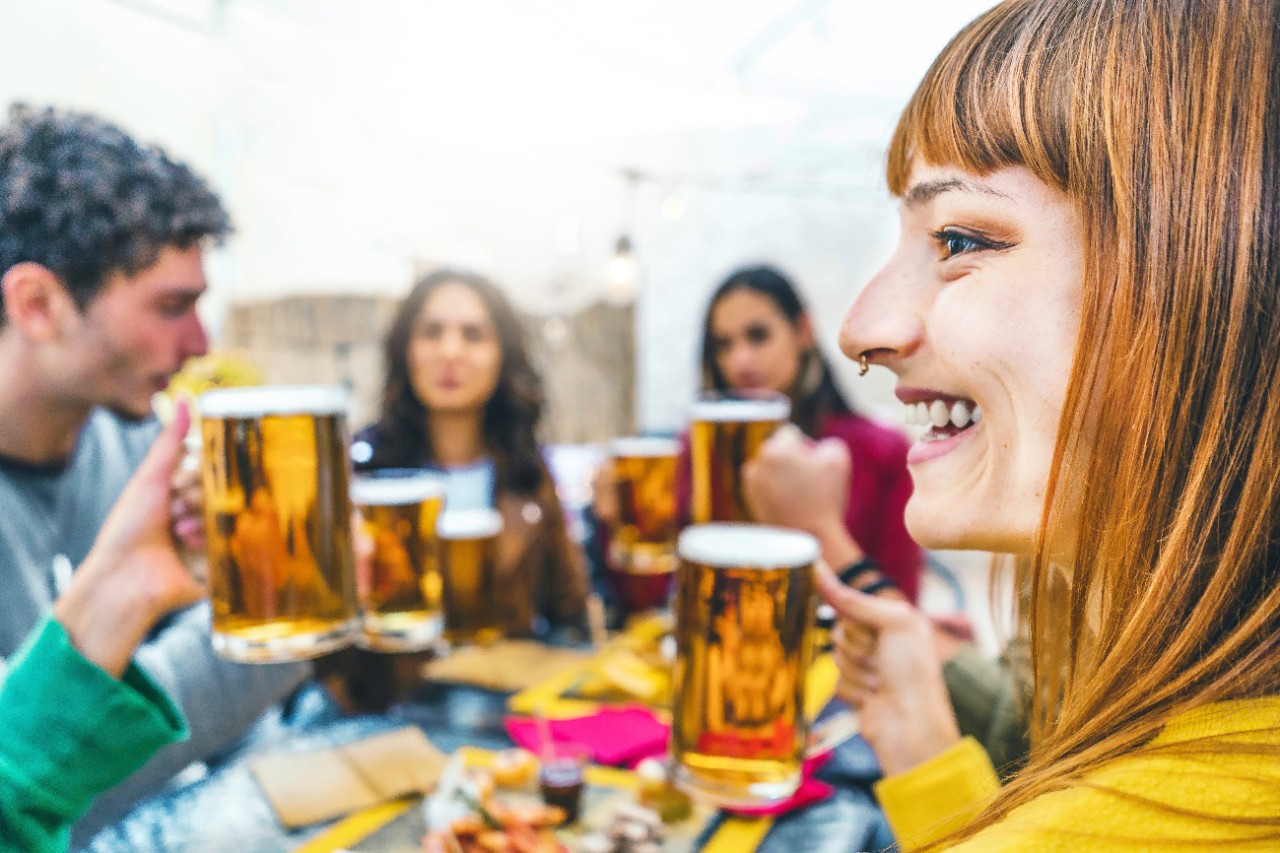
The rooftop bars around Mitte and Alexanderplatz give Berlin's early evening a visual scale that street-level bars cannot match. The Monkey Bar on the ninth floor of the 25hours Hotel Bikini Berlin looks directly into the Berlin Zoo and across the Tiergarten, and operates as a cocktail bar that transitions from afternoon drinks into a fuller evening setting as the light drops. Nearby, the bar at Soho House Berlin in a converted department store near Hackescher Markt is open to members and hotel guests, with a rooftop pool terrace that is one of the more atmospheric early-evening settings in the city during the warmer months.
For a slower start to the evening, Mitte's natural wine culture has developed quietly alongside its cocktail scene. Small wine bars along Torstrasse and in the streets around Hackescher Markt have built reputations around independent producers, sustainable sourcing and a low-lit, unhurried atmosphere that suits the city's after-work pace. For those whose evening will eventually move towards a club, Clärchens Ballhaus on Auguststrasse provides something entirely particular: a 1913 ballroom that has survived two world wars and reunification to remain one of the most atmospheric venues in the city, with tango and swing nights running regularly and the kind of gilded interior that makes pre-club drinks feel like a different era entirely.
Berlin's live music scene spans a range that most cities of any size cannot match, and for guests whose evening preference runs to performance rather than dancing, the city offers serious options across jazz, indie, classical and alternative music. The Berliner Philharmoniker at the Hans Scharoun-designed Philharmonie is one of the great musical institutions in the world, with tickets available on the day at the box office when advance allocations are exhausted. A-Trane in Charlottenburg has been the city's premier jazz club since 1992, hosting international and local acts in an intimate room where the proximity to the musicians is part of the experience. For summer open-air concerts and cultural events, the Waldbühne amphitheatre in the Grunewald forest seats 22,000 and hosts major international acts through the summer season, with the surrounding woodland giving the venue an atmosphere unlike any other in Germany.
A few things are worth knowing before heading out. Berlin's U-Bahn and S-Bahn run all night on Fridays and Saturdays, which removes the need to plan around last trains. The dress code for the major techno clubs favours black and understated over smart or flashy, and arriving overdressed is more likely to work against you than underdressed. Photography is banned inside most clubs, and the rule is enforced. The city's bar culture is considerably more cash-friendly than most European capitals, particularly in Kreuzberg and Neukölln, so carrying a small amount of cash alongside a card is sensible. The coolest neighbourhoods in Berlin are worth understanding during the day before exploring them at night.
Capri by Fraser Berlin is on Scharrenstrasse on Museum Island in Mitte, within walking distance of the bars along Torstrasse, the Hackescher Markt area and Friedrichstrasse, and a short U-Bahn or taxi ride from Kreuzberg, Friedrichshain and Neukölln. Alexanderplatz is reachable in minutes and connects directly to the rest of the city's transport network throughout the night.
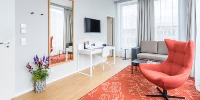
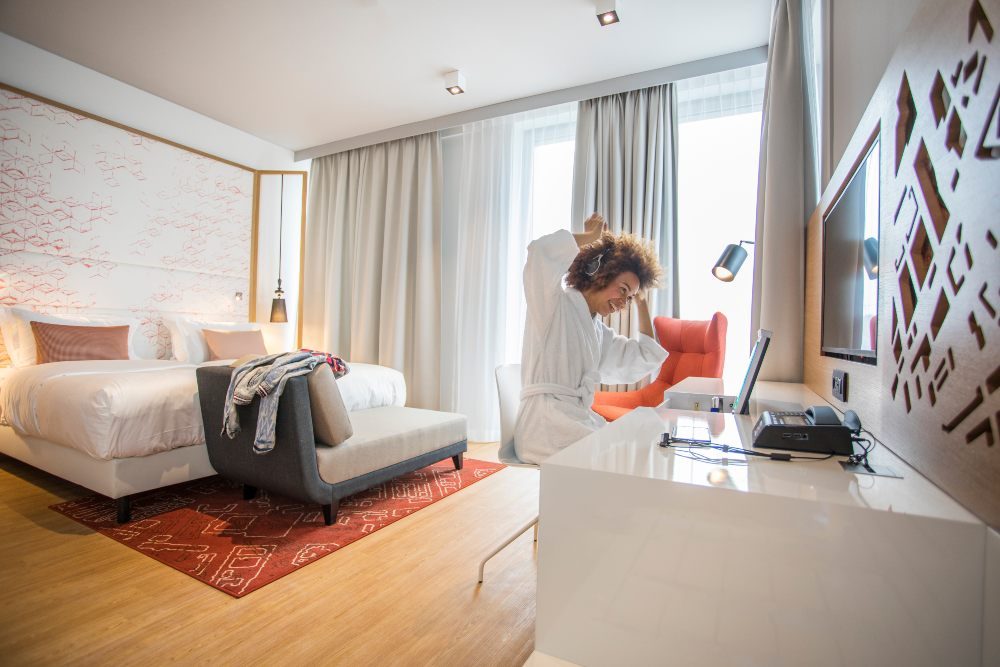
Accommodation comprises 143 studio and one-bedroom apartments, each with fully equipped kitchenettes, floor-to-ceiling windows and dedicated workspaces suited to both short breaks and longer stays. On-site facilities include a 24-hour gym, bar and lounge, and a concierge team familiar with the city's venues and late-night transport options. For guests spending longer in Berlin and wanting to explore the nightlife across different neighbourhoods over multiple evenings, extended stay options are available. View current offers to plan your stay.
Berlin has no legal closing time, which means clubs and bars set their own hours, and many of the major venues run continuously from Friday night through to Monday morning. The techno scene, which grew in the city's abandoned buildings after the fall of the Wall in 1989, was added to UNESCO's Intangible Cultural Heritage list in 2024, the only city in the world to receive that recognition for its electronic music culture. Door policies at the major clubs are selective but not arbitrary: they are about maintaining the atmosphere inside rather than excluding people on appearance. Coming in a small group, dressing without ostentation, and understanding what kind of club you are visiting are the most useful preparation.
Kreuzberg is the most consistently rewarding neighbourhood for a broad evening out, with a mix of bars, live music venues, clubs and late-night food that covers most preferences. Friedrichshain is where the biggest clubs including Berghain are concentrated, and it suits guests whose primary aim is dancing. Mitte is the most accessible neighbourhood for cocktail bars and after-work venues, and the most similar to the nightlife of other major European capitals. Neukölln is the most experimental and the most local-feeling, and rewards a visit once the more obvious areas have been explored.
There is no single formula, and anyone claiming to have one should be treated with scepticism. The bouncer's decisions are famously opaque. That said, coming in a group of two or three rather than a larger party significantly improves the odds. Dressing in black and understated, avoiding intoxication before you arrive, speaking quietly in the queue, and appearing genuinely interested in the music rather than the experience of being there are all factors that the club's door policy has been understood to favour. Thursday nights and early Sunday mornings are generally considered slightly easier entry points than peak Saturday night. Being turned away is a normal part of the Berlin club experience, and the city has enough to offer that an alternative evening is never far away.
Berlin is a safe city by major European capital standards, and the central nightlife areas are well policed and well served by public transport throughout the night. The U-Bahn and S-Bahn run all night on Friday and Saturday, and taxis and ride-sharing are widely available. The main practical precautions are the same as in any major city at night: keep valuables secure, stay aware of your surroundings, and travel in groups when exploring less familiar areas late at night. The clubs themselves enforce their own codes of conduct seriously and are generally considered safe environments.
Berlin's nightlife operates year-round, but summer brings additional dimensions that the winter months do not: outdoor club terraces come alive, river bars open along the Spree, and the Waldbühne's concert season runs through June to August. The Berlin summer culture and outdoor venues guide covers the full outdoor offer in the warmer months. Winter has its own character, with the indoor clubs at their most atmospheric and the city's calendar of cultural events at its most dense. For a dedicated club-focused visit, a long weekend from Friday to Monday is enough to experience the scene properly, giving time to adjust to Berlin's later schedule and approach the major venues at the right hour.